d6cc14c62a7e327056264eadf178f569b1be973e36e30d66f6370b4e9897b51a

It’s Monday morning. You open your laptop and — surprise — your inbox is a mess. There are customer questions, project updates, and random requests all waiting for your attention.
But instead of diving in headfirst, an AI agent has already done the grunt work. The urgent stuff is flagged, half the replies are drafted, and a few problems are already solved. Thanks agentic AI!
As futuristic as that scenario sounds, it’s already happening, and it’s one of the top AI trends for 2025. In fact, 79% of employees report that AI agents have had a positive impact on their business performance.
But what are AI agents to begin with? AI agents are systems that can make decisions and take action on their own to complete tasks.
Thanks to things like machine learning and natural language processing (NLP), AI agents can understand what’s going on, learn from it, and adjust. So even when things change, they’re ready to roll with it.
As these AI tools get put to the test, it’s easier than ever to find a useful AI agent case study that shows what’s possible. If you're looking for one (or ten), you're in good company.
1. Waiver Group’s Lead Generation Bot
Finding new clients shouldn’t be so complicated. That’s why one of our partners, the Waiver Consulting Group, brought in a digital assistant of their own: Waiverlyn, their AI lead generation bot.
Waiverlyn handles the heavy lifting of capturing leads, qualifying them, and even booking consultations.
Waiverlyn greets every website visitor, answers questions, collects contact info, and books consultations automatically. It also fills out calendar invites, sends personalized reminders, updates lead trackers in Google Sheets, and notifies the sales team instantly.
The results? Waiverlyn helped the team:
Within just 3 weeks, the bot had paid for itself in booked consultations. And clients? They love it.
2. Ruby Labs’ Customer Service Bot
With over 4 million support chats happening every month, Ruby Labs needed a solution that could scale without slowing down. In collaboration with Botpress, their AI agents do just that.
Now, when users need help, they don’t wait in line or get bounced between agents. Instead, they open the help widget, pick what they need (cancel an account, ask about billing, troubleshoot a tech issue, or just ask a question), and the chatbot handles the rest.
And that’s how 98% of chats are resolved without ever needing a human.
Even better, the bot isn’t only answering FAQs. It also flags risky behavior and offers users targeted discounts before they cancel, resulting in saving an extra $30K a month.
3. Botpress' Competitive Intelligence Bot
At Botpress, staying on top of the competition used to mean hours of manual research. Now? An AI agent handles it.
The Competitive Intelligence Bot acts like an autonomous teammate that is constantly scanning competitor websites, spotting changes, and surfacing insights people would otherwise miss. Unlike a static scraper or keyword alert, this AI agent loads full HTML pages, interprets structure and content, and adapts over time.
Some other useful features include:
Whether the team needs quick deal support or wants to track strategic moves over time, the bot provides a competitive edge only an AI agent can offer.
4. Pinterest's Content Discovery Agent
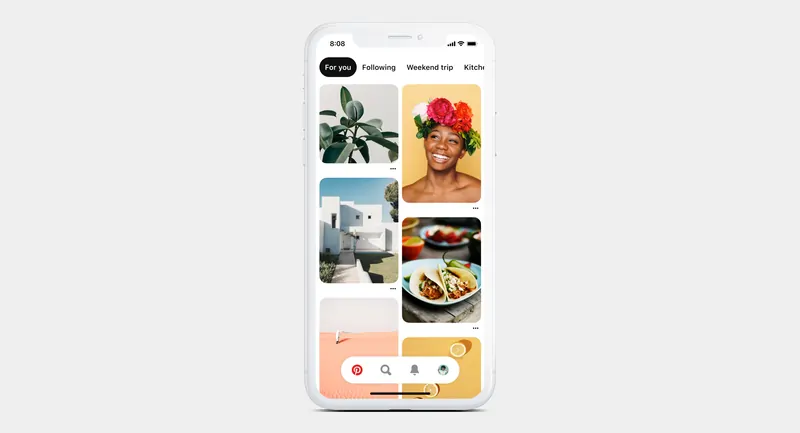
When you think of content discovery, you probably picture scrolling through a sea of photos, recipes, or DIY projects. But behind every perfectly timed picture is an AI figuring out exactly what you want to see next.
At Pinterest, an AI-powered content discovery agent is doing just that: learning what users like and curating better recommendations.
Here’s what this agent can do:
And it’s working. In 2024, Pinterest hit 553 million monthly active users, a 11% increase from the year before.
Turns out, good recommendations really do keep people coming back.
5. Zara’s Trend Forecasting Agent
Fast fashion moves quickly. But not as fast as Zara’s AI agent.
To keep up with constantly changing customer tastes, Zara uses an AI-powered trend forecasting agent that helps the brand spot emerging styles before they hit the mainstream.
Instead of relying solely on seasonal reports or manual research, this AI agent scans social platforms and online shopping data to detect rising patterns in real time.
The results speak for themselves: between 2023 and 2024, Zara saw a 7% increase in sales.
By feeding this intel directly to their design and merchandising teams, the AI helps Zara stay ahead of what customers want.
6. American Express’ Travel Recommendation Agent
At American Express, with 5,000 travel counselors supporting clients across 19 markets, creating personalized travel plans is a big ask. Which is why they invested in a Travel Counselor Assist AI agent.
This AI-powered assistant works alongside human travel counselors to create hyper-personalized travel suggestions.
Apart from pulling together real-time web data and layering it with each customer’s preferences, it also:
And it’s working. Over 85% of Amex’s travel counselors say the AI saves them time and improves the quality of their recommendations.
7. Botpress' HR Support Bot
At Botpress, even HR has a magical assistant. Meet Harry Botter: a go-to HR AI agent for handling all things people and policy.
Built right into Slack, Harry Botter gives employees quick answers to everyday HR and security questions. No wonder IBM points out that HR AI agents can really boost the employee experience.
Here’s what Harry can help with:
Because it’s connected to internal documents, Harry Botter delivers up-to-date answers instantly without having to ping HR every time someone has a question.
The magic? It’s reliable and always available. That’s why Harry Botter has become one of the most loved bots at Botpress.
8. JPMorgan's Sales Enablement AI Agent
Clients asking tough questions? Advisors at JPMorgan were feeling the pressure, so they brought in Coach AI.
Coach AI acts like a behind-the-scenes assistant. It pulls up relevant research in seconds, anticipates the kinds of questions clients might ask, and suggests personalized recommendations based on what’s happening in the market.
And it really delivered when it mattered most. During the April 2025 market shake-up, Coach AI helped advisors jump on calls with the right info in hand.
With Coach AI, advisors are staying ahead and giving clients the kind of personalized service that really makes a difference.
9. UPS's Route Optimization Agent
At UPS, getting packages delivered efficiently is all about being smart. That’s why they use an AI agent called ORION (short for On-Road Integrated Optimization and Navigation) to help plan delivery routes in real time.
Instead of relying on fixed routes, ORION looks at live data and figures out the fastest way for each driver to get the job done. And it doesn’t stop there. The AI keeps learning and improving every day, making smarter decisions as it goes.
Here’s what it’s helped UPS achieve:
With ORION behind the scenes, UPS is proving that even delivery routes can glow-up.
10. Aidoc's Diagnostic Imaging Bot
When it comes to emergency care, speed can make all the difference.
With more patients and less time, Yale New Haven Hospital needed something that could run in the background and speed things up without sacrificing quality.
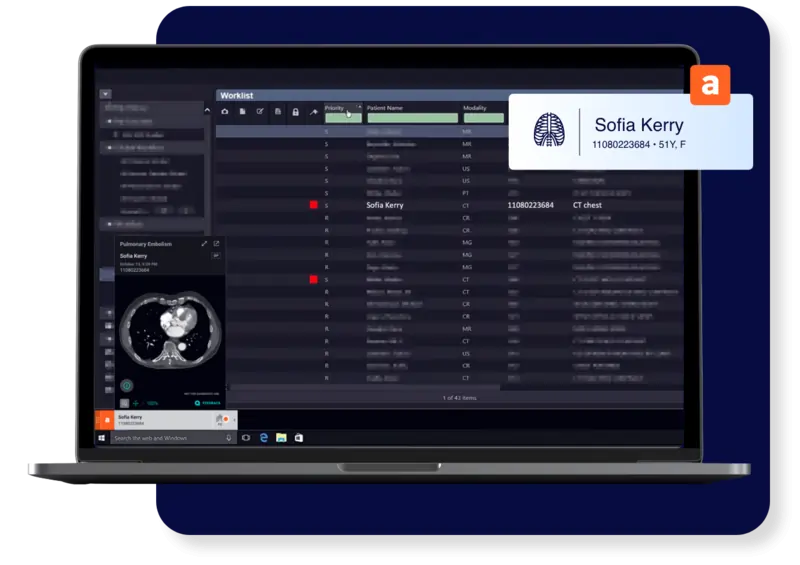
That’s where Aidoc stepped in, an AI-powered imaging assistant that helps flag serious issues fast. Its FDA-cleared AI system functions as an autonomous agent, built to detect and prioritize pulmonary embolism cases in real time.
Acting as a proactive team member, Aidoc continuously monitors incoming CT scans the moment they enter the system.
Did it make a difference? Here's what happened:
With Aidoc running quietly in the background, Yale’s team now identifies more life-threatening conditions earlier and more efficiently than ever before.
Build an AI Agent Today
Whether you’re a solo founder or part of an enterprise team, AI agents are becoming the secret weapon for productivity. So the question isn’t whether you’ll use AI agents. It’s how soon.
Botpress is a platform that gives everyone the tools to build and deploy AI agents. You can design flows visually, connect to your data sources, test with real user inputs, and fine-tune behavior all in one place.
Whether you’re building customer support agents or internal tools, Botpress makes it easy to bring your agents from idea to fruition.
Start building today. It’s free.
FAQs
How do I know if my business is ready for AI agents?
Your business is ready for AI agents if you have specific, repetitive tasks that consume significant time, digital systems (like CRMs or ERPs) that your agents can connect to, and clear goals such as reducing costs or scaling operations without proportionally increasing staff.
How much data do I need before considering an AI agent?
You typically need enough historical data to identify patterns or train models — often at least a few thousand examples of past interactions or documents — but simpler rule-based or retrieval-augmented AI agents can start delivering value with far less data if they rely on connecting to structured knowledge bases.
What are the biggest challenges businesses face when launching AI agents?
The biggest challenges businesses face when launching AI agents include integrating them into existing systems, ensuring data security and compliance, managing user trust and adoption, and continuously updating the agent to reflect new business rules or market changes.
How do I measure the success of an AI agent once it’s live?
You measure the success of an AI agent by tracking quantifiable KPIs like time saved per task, accuracy rates, user satisfaction scores, reduction in operational costs, and how quickly the agent handles tasks compared to human employees.
What skills does my team need to deploy and maintain AI agents?
Your team needs skills in data analysis and business process design to define what the AI agent should do, but thanks to modern drag-and-drop platforms, you don’t always need coding expertise; however, for more advanced integrations or custom logic, familiarity with APIs and prompt engineering is still valuable.