Get the best advice in tech delivered right to your inbox.
Это страница подписки и архив рассылки First Round Review — еженедельного (плюс-минус) ньюслеттера, который открывается при оформлении членства и собирает практические советы по построению компаний от самих основателей и операторов, а не от инвесторов. Архив включает десятки выпусков: разборы путей к product-market fit таких компаний, как Gusto ($9,6 млрд), Canva ($42 млрд), Applied Intuition ($15 млрд), dbt Labs ($4,2 млрд), Guideline, Mercury, Clay, Serval и EvolutionIQ (поглощение за $730 млн). Отдельный блок — подкаст Executive Function с топ-руководителями (Snowflake, Vanta, Rippling, Stripe, Vercel) и серия Applied Intelligence о реальном применении AI: например, как инженер Notion месяц проработал в продажах, а Carta экономит 3500+ часов в месяц с помощью AI-агентов. Среди героев — Lenny Rachitsky, Chris Degnan (масштабировал выручку Snowflake с $0 до $3,5 млрд), Stevie Case, Qasar Younis, Tomer London, Cameron Adams и Bob Moore (слияние Crossbeam с Reveal). Сквозные темы — customer discovery, найм первых продавцов, позиционирование AI-брендов, org-дизайн и честные уроки на пути к PMF.
Get the best advice in tech delivered right to your inbox.
Получайте лучшие советы из мира технологий прямо себе на почту.
When you sign up for a First Round Review membership, you’ll also unlock our fan-favorite weekly(ish) newsletter — and become the first to hear about every new Review story.
Оформив членство First Round Review, вы также получите доступ к нашей всеми любимой еженедельной (плюс-минус) рассылке — и узнаете первыми о каждой новой истории The Review.
This isn't your typical VC newsletter — it's about you, not us. Here's what to expect:
Это не типичная рассылка от венчурного фонда — она про вас, а не про нас. Вот что вас ждёт:
Практичные, до мелочей продуманные советы по стартапам — напрямую от тех, кто строит компании, а не от инвесторов. Подробные, захватывающие истории о карьерах лидеров стартапов и о разных путях основателей к product-market fit. Невероятно полезные шаблоны, наборы вопросов и низкозатратные тактики, собранные у нашего сообщества. Тщательно отобранная подборка самых полезных материалов в интернете за неделю.
"I always click your links and read the full articles - never saving them for my "read later" pile. That's how compelling they are!"
«Я всегда кликаю по вашим ссылкам и читаю статьи целиком — никогда не откладываю их в стопку „прочитаю позже“. Вот насколько они затягивают!»
"You all are the standard for quality, usable content. And I am not getting sold something. Love it."
«Вы — эталон качественного, применимого контента. И мне при этом ничего не впаривают. Обожаю это.»
"First round review newsletter is possibly the most consistently valuable thing in my inbox. A treasure trove of valuable business advice."
«Рассылка First Round Review — пожалуй, самое стабильно ценное, что есть в моём почтовом ящике. Кладезь ценных бизнес-советов.»
Newsletter Archive
Архив рассылки
How to make your AI brand stand out (when everything else feels the same)
Как выделить свой AI-бренд (когда всё остальное кажется одинаковым)
A playbook from First Round’s Head of Brand & Product Marketing
Плейбук от Head of Brand & Product Marketing в First Round
From the inside: What it's like to work at Clay
Изнутри: каково это — работать в Clay
A personal essay from the company’s tenth employee.
Личное эссе десятого сотрудника компании.
You don't know Lenny Rachitsky
Вы не знаете Lenny Rachitsky
Read our in-depth profile
Читайте наш подробный профиль
What really motivates Lenny Rachitsky?
Что на самом деле движет Lenny Rachitsky?
Read our in-depth profile
Читайте наш подробный профиль
How fixing 401(k) the hard way led Guideline's founder to a major exit
Как починка 401(k) самым трудным путём привела основателя Guideline к крупному экзиту
Inside Guideline's path to PMF
Путь Guideline к PMF изнутри
Listen: Why crazy deadlines produce better products than strategy docs
Слушайте: почему безумные дедлайны рождают продукты лучше, чем стратегические документы
Vanta CPO Jeremy Epling is on Executive Function
CPO Vanta Jeremy Epling в подкасте Executive Function
Stop asking “What’s your biggest pain point?” in customer discovery
Перестаньте спрашивать «В чём ваша главная боль?» в customer discovery
The discovery question that uncovered a billion-dollar startup idea
Вопрос для discovery, который привёл к идее стартапа на миллиард долларов
Listen: Snowflake’s former CRO on scaling from $0 to $3.5B (and surviving 4 CEOs)
Слушайте: бывший CRO Snowflake о масштабировании с $0 до $3,5 млрд (и о том, как пережить 4 CEO)
Chris Degnan joins Executive Function.
Chris Degnan в подкасте Executive Function.
Do you really need a forward deployed engineer?
Действительно ли вам нужен forward deployed engineer?
A founder’s guide to building an FDE team
Руководство основателя по созданию FDE-команды
Listen: Most CROs are salespeople. Vanta’s CRO says that's changing
Слушайте: большинство CRO — продавцы. CRO Vanta говорит, что это меняется
Stevie Case joins Executive Function
Stevie Case в подкасте Executive Function
Listen: Why Rippling’s VP of Design thinks speed improves quality
Слушайте: почему VP of Design в Rippling считает, что скорость повышает качество
Ryan Lucas joins Executive Function
Ryan Lucas в подкасте Executive Function
A new podcast from First Round: How the top 0.001% of scaleup execs operate
Новый подкаст от First Round: как работают топ-0,001% руководителей быстрорастущих компаний
Listen to the first episode with Vercel’s COO
Слушайте первый эпизод с COO Vercel
Mastering the skill of company-building, from Applied Intuition’s founder
Овладение мастерством построения компаний — от основателя Applied Intuition
The $15B vehicle intelligence company’s origin story
История зарождения компании по vehicle intelligence стоимостью $15 млрд
What cold-calling from a closet taught Gusto’s founder about PMF
Чему холодные звонки из чулана научили основателя Gusto о PMF
A laser focus on what customers really want paid off.
Предельная концентрация на том, чего на самом деле хотят клиенты, окупилась.
The unconventional growth levers that made Canva a $42B company
Нестандартные рычаги роста, сделавшие Canva компанией стоимостью $42 млрд
Early evangelists and an ambitious SEO strategy
Ранние евангелисты и амбициозная SEO-стратегия
The best company building advice we heard in 2025
Лучшие советы по построению компаний, которые мы услышали в 2025 году
The 13th edition of our annual roundup is here
Вышло 13-е издание нашей ежегодной подборки
The most honest lessons about the path to product-market fit
Самые честные уроки о пути к product-market fit
Featuring founders from Gusto, Mercury, Meter and more
С участием основателей из Gusto, Mercury, Meter и других
Notion put an engineer in sales to build better AI tools
Notion отправил инженера в продажи, чтобы создавать более качественные AI-инструменты
This week on Applied Intelligence, we learn how an AI engineer at Notion joined the sales team for a month to understand their challenges and build better tools to solve their problems. Context Before Code: How Notion Put an AI Engineer on the Sales Floor to Discover What Actually Needed
На этой неделе в Applied Intelligence мы узнаём, как AI-инженер из Notion на месяц присоединился к команде продаж, чтобы понять её задачи и создать более качественные инструменты для их решения. Context Before Code: как Notion посадил AI-инженера в зал продаж, чтобы выяснить, что действительно нужно
The merger playbook: A founder’s firsthand story of the deal that beat the odds
Плейбук по слияниям: рассказ основателя из первых рук о сделке, которая обошла все шансы
And how it changed the trajectory of both companies
И о том, как она изменила траекторию обеих компаний
Listen: How this two-time billion-dollar founder wins in the enterprise
Слушайте: как этот дважды миллиардный основатель побеждает в enterprise
GTM lessons from Jyoti Bansal
GTM-уроки от Jyoti Bansal
The process I've used to name dozens of companies
Процесс, по которому я придумал названия десяткам компаний
A note from the essay's author
Заметка от автора эссе
The other PMF: how personality-message fit helps founders communicate better
Другой PMF: как personality-message fit помогает основателям лучше доносить мысли
The 30-second prep habit, learning to read a room, and more
30-секундная привычка подготовки, умение считывать аудиторию и многое другое
How a high school dropout built one of the world’s most-used developer tools
Как бросивший школу человек создал один из самых используемых в мире developer tools
From bootstrapping to a $3B company
От бутстрэппинга до компании стоимостью $3 млрд
When founders should quit as head of product — and hire the first PM
Когда основателям стоит уйти с роли head of product — и нанять первого PM
4 heuristics for deciding when it’s time
4 эвристики, чтобы понять, когда пришло время
The trap of weak product-market fit — lessons from Mercury’s founder
Ловушка слабого product-market fit — уроки от основателя Mercury
Inside the fintech unicorn’s path to product-market fit
Путь финтех-единорога к product-market fit изнутри
The compensation rules to follow (and break), according to experts
Правила по компенсациям, которым стоит следовать (и которые стоит нарушать), по мнению экспертов
Compensation leaders from Clay, Google and Instacart share the rules early-stage founders can break — and the few they should actually follow.
Лидеры по компенсациям из Clay, Google и Instacart рассказывают, какие правила основатели ранних стадий могут нарушать — и те немногие, которым действительно стоит следовать.
How to avoid a co-founder breakup before Series B
Как избежать разрыва с со-основателем до раунда Series B
Rituals to strengthen the most important relationship in your startup
Ритуалы, укрепляющие самые важные отношения в вашем стартапе
Inside Warp’s coding by prompt mandate (and how the CEO follows it too)
Внутри мандата Warp на «coding by prompt» (и как сам CEO ему следует)
Every coding task starts with a prompt — even the CEO’s
Каждая задача по коду начинается с промпта — даже у CEO
Founders, you’re missing this key step on the path to product-market fit
Основатели, вы упускаете этот ключевой шаг на пути к product-market fit
A research toolkit for the discovery phase
Инструментарий исследований для фазы discovery
How Brex is building an AI-first operations org
Как Brex строит AI-first операционный отдел
Changing roles, workflows and skills around AI
Изменение ролей, рабочих процессов и навыков вокруг AI
Why Sierra built a design partnership program on “hard mode”
Почему Sierra построила программу design-партнёрств в режиме «hard mode»
Sierra’s first GTM hire, breaks down every step of their playbook.
Первый GTM-наём в Sierra разбирает каждый шаг их плейбука.
Idea validation tactics they won’t teach you in business school
Тактики валидации идей, которым не учат в бизнес-школе
How founders from Linear, Mercury and other startups found conviction before the build
Как основатели из Linear, Mercury и других стартапов обрели уверенность ещё до начала разработки
What your startup does (and doesn’t) need to come out of stealth
Что вашему стартапу нужно (а что — нет), чтобы выйти из стелс-режима
A launch plan from Figma’s first marketer
План запуска от первого маркетолога Figma
Scale smarter, not bigger: Inside Linktree’s internal AI adoption playbook
Масштабируйтесь умнее, а не больше: внутри плейбука Linktree по внутреннему внедрению AI
How Linktree kept headcount steady at 190 while boosting shipping velocity and AI adoption
Как Linktree удержала штат на уровне 190 человек, повысив при этом скорость поставок и внедрение AI
How to use your industry outsider status to your advantage
Как обратить статус чужака в отрасли себе на пользу
Product-building lessons from a Twitter PM turned healthcare founder
Уроки по созданию продуктов от PM из Twitter, ставшего основателем в healthcare
Don’t ship your pitch deck to your website
Не выкладывайте свою питч-деку на сайт
How to translate investor talking points into a marketing story
Как превратить тезисы для инвесторов в маркетинговую историю
Inside Owner’s zigzag path to a billion-dollar business
Внутри зигзагообразного пути Owner к бизнесу на миллиард долларов
Dropping out of high school. A six-figure Minecraft server. A failing dog grooming business. A pandemic pivot.
Уход из школы. Шестизначный сервер Minecraft. Прогорающий бизнес по грумингу собак. Разворот во время пандемии.
Why Linear puts craft above all metrics
Почему Linear ставит мастерство выше всех метрик
Inside the company’s slow and deliberate path to product-market fit
Внутри медленного и обдуманного пути компании к product-market fit
How Carta saves 3,500+ hours per month using AI agents
Как Carta экономит 3500+ часов в месяц с помощью AI-агентов
An 11-min task completed in seconds
11-минутная задача выполняется за секунды
A new publication from First Round: Applied Intelligence
Новое издание от First Round: Applied Intelligence
Learn how companies are actually using AI, and the results they’re experiencing
Узнайте, как компании реально используют AI и какие результаты получают
Stop playing customer success hero. Here’s how to build your first team.
Перестаньте быть героем-одиночкой в customer success. Вот как собрать свою первую команду.
From hiring to metrics to first systems to set up
От найма и метрик до первых систем, которые нужно настроить
How to go from random wins to repeatable revenue
Как перейти от случайных побед к повторяемой выручке
A formula for sales repeatability
Формула повторяемости продаж
Can you be a good micromanager?
Можно ли быть хорошим микроменеджером?
How to toggle between details and delegation
Как переключаться между деталями и делегированием
Rent-an-exec: Should you hire a fractional leader?
Аренда руководителя: стоит ли нанимать fractional-лидера?
A fractional COO explains
Объясняет fractional COO
Inside Figma's human-centered approach to building AI
Внутри человекоцентричного подхода Figma к созданию AI
From determining success metrics to structuring qualitative feedback
От определения метрик успеха до структурирования качественной обратной связи
How to hang on to conviction in an emerging market: Braze's long game to PMF
Как сохранить убеждённость на формирующемся рынке: долгая игра Braze ради PMF
The origin story of the now publicly traded company
История зарождения компании, которая теперь торгуется на бирже
How to spot the wrong customer before they burn your roadmap
Как распознать не того клиента, прежде чем он спалит ваш роадмап
How Vanta, Clay, Retool & more startups found their ICP
Как Vanta, Clay, Retool и другие стартапы нашли свой ICP
Thinking about becoming a founder? Here’s how to emotionally prepare
Подумываете стать основателем? Вот как подготовиться эмоционально
A psychologist’s advice on preparing to take the founder leap
Совет психолога о том, как подготовиться к прыжку в роль основателя
How to make craft your moat
Как сделать мастерство своим рвом
How Stripe, Linear, Square & more top companies operationalize taste
Как Stripe, Linear, Square и другие топ-компании операционализируют вкус
How to build and grow the human side of your engineering org
Как выстраивать и развивать человеческую сторону вашего инженерного отдела
Lessons from Apple, Palantir and Slack
Уроки от Apple, Palantir и Slack
From weekend project to Fortune 10 adoption
От проекта выходного дня до внедрения в Fortune 10
How this founder closed millions in ARR with no sales hires
Как этот основатель закрыл миллионы ARR без единого найма в продажи
Inside Superhuman’s onboarding strategy: from human-led to self-serve
Внутри стратегии онбординга Superhuman: от ведения человеком до self-serve
An extremely detailed look at building and scaling onboarding
Предельно подробный взгляд на построение и масштабирование онбординга
From two-person consultancy to $4.2B software business — dbt Labs’ Path to PMF
От консалтинга на двоих до софтверного бизнеса на $4,2 млрд — путь dbt Labs к PMF
Co-founder Tristan Handy shares the startup’s unconventional backstory
Со-основатель Tristan Handy рассказывает нестандартную предысторию стартапа
A playbook for running “founder-led” growth
Плейбук по запуску «founder-led» роста
You're not ready for a Head of Growth — yet.
Вы пока не готовы к Head of Growth.
Square’s former CEO on the two crucial components of org design
Бывший CEO Square о двух ключевых компонентах org-дизайна
Building a structure to enable scale.
Создание структуры, позволяющей масштабироваться.
A playbook for building deep tech startups
Плейбук по созданию deep tech стартапов
When traditional startup advice falls short
Когда традиционные советы для стартапов не работают
17,784 hours: Exactly how one startup founder spent 5 years building
17 784 часа: как именно один основатель стартапа провёл 5 лет за стройкой
Sam Corcos, co-founder & CEO of Levels, on tracking every 15-minute block
Sam Corcos, со-основатель и CEO Levels, об учёте каждого 15-минутного интервала
How Plaid, Clay, Lattice & other startups pivoted to find PMF
Как Plaid, Clay, Lattice и другие стартапы делали пивот, чтобы найти PMF
Why & when these founders knew it was time to switch
Почему и когда эти основатели поняли, что пора менять курс
A complete guide to your startup’s first sales hire
Полное руководство по первому найму в продажи для вашего стартапа
Expert advice from first hires at Dropbox, Figma, Stripe & more
Экспертные советы от первых наймов в Dropbox, Figma, Stripe и других
How Figma chooses, builds & launches new products
Как Figma выбирает, создаёт и запускает новые продукты
From spotting user hacks to the “screenshot test”
От подмечания пользовательских хаков до «теста скриншотом»
The rotation program that keeps this startup’s engineers learning (and not leaving)
Ротационная программа, которая удерживает инженеров этого стартапа в обучении (и не даёт им уйти)
How Checkr’s VP of Eng squashes attrition
Как VP of Eng в Checkr побеждает текучку
EvolutionIQ’s path to product-market fit — and a $730M acquisition
Путь EvolutionIQ к product-market fit — и поглощение за $730 млн
Lessons from a vertical AI success story
Уроки от истории успеха в vertical AI
An engineering leader’s advice for pivoting from manager to IC
Совет инженерного лидера о переходе из менеджера обратно в IC
A 90-day plan to land the jump
90-дневный план, чтобы совершить этот переход
10x, 10x, 6x — The exact GTM moves behind Clay’s explosive revenue growth
10x, 10x, 6x — точные GTM-ходы за взрывным ростом выручки Clay
Lessons from a newly minted unicorn
Уроки от свежеиспечённого единорога
The inside story of the idea & launch of Figma Slides
История изнутри: как родилась идея и состоялся запуск Figma Slides
How PM Mihika Kapoor built momentum for her product idea
Как PM Mihika Kapoor набрала импульс для своей продуктовой идеи
The 30 best pieces of advice we heard in 2024
30 лучших советов, которые мы услышали в 2024 году
The 12th edition of our annual roundup is here
Вышло 12-е издание нашей ежегодной подборки
Fight off organizational entropy with this guide from Rippling’s COO
Боритесь с организационной энтропией с помощью этого руководства от COO Rippling
Matt MacInnis on becoming a more impatient (and effective) exec
Matt MacInnis о том, как стать более нетерпеливым (и более эффективным) руководителем
25 tough questions for founder self-reflection
25 непростых вопросов для саморефлексии основателя
Questions to size up your decision making, team, product & more
Вопросы, чтобы оценить ваше принятие решений, команду, продукт и многое другое
How Figma taps into product taste, simplicity and storytelling
Как Figma опирается на продуктовый вкус, простоту и сторителлинг
An interview with Chief Product Officer Yuhki Yamashita
Интервью с Chief Product Officer Yuhki Yamashita
What this founder learned from losing product-market fit
Чему этот основатель научился, потеряв product-market fit
Lessons in intellectual honesty from a 3X founder
Уроки интеллектуальной честности от основателя с тремя стартапами за плечами
A growth expert’s guide to building billion-dollar marketplaces
Руководство эксперта по росту: как строить маркетплейсы на миллиард долларов
Your annual plan is already obsolete: here's how to fix it
Ваш годовой план уже устарел: вот как это исправить
How Replit went from side project to a $1B business
Как Replit прошёл путь от сайд-проекта до бизнеса на $1 млрд
A step-by-step guide to starting a B2B marketing engine from scratch
Пошаговое руководство по запуску B2B-маркетингового движка с нуля
Non-obvious signs of early traction — and how to spot them
Неочевидные признаки ранней тяги — и как их распознать
Why startup marketers should be diagnosticians
Почему маркетологи стартапов должны быть диагностами
How Gong used design partners to prove a bet on AI in 2015
Как Gong использовал design-партнёров, чтобы доказать ставку на AI в 2015 году
Here’s what you can really expect from a VC partner meeting
Вот чего на самом деле можно ждать от встречи с партнёром венчурного фонда
Why founders should be suspicious of symmetry in their org chart
Почему основателям стоит с подозрением относиться к симметрии в своей оргструктуре
How to launch your second (or third, or fifth) product
Как запустить второй (или третий, или пятый) продукт
Tips for scaling analytics at startups
Советы по масштабированию аналитики в стартапах
A seven-year “overnight success” story — Clay’s Path to PMF
История «внезапного успеха» длиной в семь лет — путь Clay к PMF
Three unexpected anti-patterns for engineering leaders
Три неожиданных антипаттерна для инженерных лидеров
Three unexpected anti-patterns for engineering leaders
Три неожиданных антипаттерна для инженерных лидеров
Will Larson, CTO at Carta, shares unconventional leadership strategies he’s learned from scaling teams at Stripe, Uber and Calm.
Will Larson, CTO в Carta, делится нестандартными стратегиями лидерства, которые он усвоил, масштабируя команды в Stripe, Uber и Calm.
20 lessons from 20 different paths to PMF
20 уроков из 20 разных путей к PMF
20 lessons from 20 different paths to PMF
20 уроков из 20 разных путей к PMF
Our favorite lessons from founders who tackled the winding journey to product-market fit
Наши любимые уроки от основателей, прошедших извилистый путь к product-market fit
Asana’s Head of People opens up her company culture playbook
Head of People в Asana раскрывает свой плейбук по культуре компании
Seasoned founders share their best advice for first-timers
Опытные основатели делятся лучшими советами для новичков
A founder-friendly playbook for early customer discovery
Дружелюбный к основателям плейбук по раннему customer discovery
This week, we’re sharing a step-by-step playbook for how to approach early customer discovery and user research the right way.
На этой неделе мы делимся пошаговым плейбуком о том, как правильно подойти к раннему customer discovery и user research.
After a decade of entrepreneurial pursuits, a $4B unicorn emerges
После десятилетия предпринимательских попыток рождается единорог на $4 млрд
This week, we’re back with the latest installment in our Paths to Product-Market Fit series.
На этой неделе мы возвращаемся с новым выпуском нашей серии Paths to Product-Market Fit.
Why you shouldn’t focus on building the best product — and what to do instead
Почему не стоит фокусироваться на создании лучшего продукта — и что делать вместо этого
This week, we're diving into the how, what, when, and why of going from single product focus to multi-product strategy, a common stumbling block for startups.
На этой неделе мы разбираемся в том, как, что, когда и почему переходить от фокуса на одном продукте к мультипродуктовой стратегии — частому камню преткновения для стартапов.
Dig deeper in reference calls with these 25 questions
Копайте глубже на reference-звонках с этими 25 вопросами
Happy Valentine's Day! This week, we’ve pulled together a mega-guide for falling back in love with reference calls.
С Днём святого Валентина! На этой неделе мы собрали мега-гайд, чтобы вы снова полюбили reference-звонки.
Why the key to extreme product-market fit is simplicity & velocity
Почему ключ к предельному product-market fit — это простота и скорость
This week, a step-by-step guide on how to turn your startup into a learning machine.
На этой неделе — пошаговое руководство о том, как превратить ваш стартап в обучающуюся машину.
How to make your AI brand stand out (when everything else feels the same)
Как выделить свой AI-бренд (когда всё остальное кажется одинаковым)
A playbook from First Round’s Head of Brand & Product Marketing
Плейбук от Head of Brand & Product Marketing в First Round
From the inside: What it's like to work at Clay
Изнутри: каково это — работать в Clay
A personal essay from the company’s tenth employee.
Личное эссе десятого сотрудника компании.
You don't know Lenny Rachitsky
Вы не знаете Lenny Rachitsky
Read our in-depth profile
Читайте наш подробный профиль
What really motivates Lenny Rachitsky?
Что на самом деле движет Lenny Rachitsky?
Read our in-depth profile
Читайте наш подробный профиль
How fixing 401(k) the hard way led Guideline's founder to a major exit
Как починка 401(k) самым трудным путём привела основателя Guideline к крупному экзиту
Inside Guideline's path to PMF
Путь Guideline к PMF изнутри
Listen: Why crazy deadlines produce better products than strategy docs
Слушайте: почему безумные дедлайны рождают продукты лучше, чем стратегические документы
Vanta CPO Jeremy Epling is on Executive Function
CPO Vanta Jeremy Epling в подкасте Executive Function
Stop asking “What’s your biggest pain point?” in customer discovery
Перестаньте спрашивать «В чём ваша главная боль?» в customer discovery
The discovery question that uncovered a billion-dollar startup idea
Вопрос для discovery, который привёл к идее стартапа на миллиард долларов
Listen: Snowflake’s former CRO on scaling from $0 to $3.5B (and surviving 4 CEOs)
Слушайте: бывший CRO Snowflake о масштабировании с $0 до $3,5 млрд (и о том, как пережить 4 CEO)
Chris Degnan joins Executive Function.
Chris Degnan в подкасте Executive Function.
Do you really need a forward deployed engineer?
Действительно ли вам нужен forward deployed engineer?
A founder’s guide to building an FDE team
Руководство основателя по созданию FDE-команды
Listen: Most CROs are salespeople. Vanta’s CRO says that's changing
Слушайте: большинство CRO — продавцы. CRO Vanta говорит, что это меняется
Stevie Case joins Executive Function
Stevie Case в подкасте Executive Function
Listen: Why Rippling’s VP of Design thinks speed improves quality
Слушайте: почему VP of Design в Rippling считает, что скорость повышает качество
Ryan Lucas joins Executive Function
Ryan Lucas в подкасте Executive Function
A new podcast from First Round: How the top 0.001% of scaleup execs operate
Новый подкаст от First Round: как работают топ-0,001% руководителей быстрорастущих компаний
Listen to the first episode with Vercel’s COO
Слушайте первый эпизод с COO Vercel
Mastering the skill of company-building, from Applied Intuition’s founder
Овладение мастерством построения компаний — от основателя Applied Intuition
The $15B vehicle intelligence company’s origin story
История зарождения компании по vehicle intelligence стоимостью $15 млрд
What cold-calling from a closet taught Gusto’s founder about PMF
Чему холодные звонки из чулана научили основателя Gusto о PMF
A laser focus on what customers really want paid off.
Предельная концентрация на том, чего на самом деле хотят клиенты, окупилась.
The unconventional growth levers that made Canva a $42B company
Нестандартные рычаги роста, сделавшие Canva компанией стоимостью $42 млрд
Early evangelists and an ambitious SEO strategy
Ранние евангелисты и амбициозная SEO-стратегия
The best company building advice we heard in 2025
Лучшие советы по построению компаний, которые мы услышали в 2025 году
The 13th edition of our annual roundup is here
Вышло 13-е издание нашей ежегодной подборки
The most honest lessons about the path to product-market fit
Самые честные уроки о пути к product-market fit
Featuring founders from Gusto, Mercury, Meter and more
С участием основателей из Gusto, Mercury, Meter и других
Notion put an engineer in sales to build better AI tools
Notion отправил инженера в продажи, чтобы создавать более качественные AI-инструменты
This week on Applied Intelligence, we learn how an AI engineer at Notion joined the sales team for a month to understand their challenges and build better tools to solve their problems. Context Before Code: How Notion Put an AI Engineer on the Sales Floor to Discover What Actually Needed
На этой неделе в Applied Intelligence мы узнаём, как AI-инженер из Notion на месяц присоединился к команде продаж, чтобы понять её задачи и создать более качественные инструменты для их решения. Context Before Code: как Notion посадил AI-инженера в зал продаж, чтобы выяснить, что действительно нужно
The merger playbook: A founder’s firsthand story of the deal that beat the odds
Плейбук по слияниям: рассказ основателя из первых рук о сделке, которая обошла все шансы
And how it changed the trajectory of both companies
И о том, как она изменила траекторию обеих компаний
Listen: How this two-time billion-dollar founder wins in the enterprise
Слушайте: как этот дважды миллиардный основатель побеждает в enterprise
GTM lessons from Jyoti Bansal
GTM-уроки от Jyoti Bansal
The process I've used to name dozens of companies
Процесс, по которому я придумал названия десяткам компаний
A note from the essay's author
Заметка от автора эссе
The other PMF: how personality-message fit helps founders communicate better
Другой PMF: как personality-message fit помогает основателям лучше доносить мысли
The 30-second prep habit, learning to read a room, and more
30-секундная привычка подготовки, умение считывать аудиторию и многое другое
How a high school dropout built one of the world’s most-used developer tools
Как бросивший школу человек создал один из самых используемых в мире developer tools
From bootstrapping to a $3B company
От бутстрэппинга до компании стоимостью $3 млрд
When founders should quit as head of product — and hire the first PM
Когда основателям стоит уйти с роли head of product — и нанять первого PM
4 heuristics for deciding when it’s time
4 эвристики, чтобы понять, когда пришло время
The trap of weak product-market fit — lessons from Mercury’s founder
Ловушка слабого product-market fit — уроки от основателя Mercury
Inside the fintech unicorn’s path to product-market fit
Путь финтех-единорога к product-market fit изнутри
The compensation rules to follow (and break), according to experts
Правила по компенсациям, которым стоит следовать (и которые стоит нарушать), по мнению экспертов
Compensation leaders from Clay, Google and Instacart share the rules early-stage founders can break — and the few they should actually follow.
Лидеры по компенсациям из Clay, Google и Instacart рассказывают, какие правила основатели ранних стадий могут нарушать — и те немногие, которым действительно стоит следовать.
How to avoid a co-founder breakup before Series B
Как избежать разрыва с со-основателем до раунда Series B
Rituals to strengthen the most important relationship in your startup
Ритуалы, укрепляющие самые важные отношения в вашем стартапе
Inside Warp’s coding by prompt mandate (and how the CEO follows it too)
Внутри мандата Warp на «coding by prompt» (и как сам CEO ему следует)
Every coding task starts with a prompt — even the CEO’s
Каждая задача по коду начинается с промпта — даже у CEO
Founders, you’re missing this key step on the path to product-market fit
Основатели, вы упускаете этот ключевой шаг на пути к product-market fit
A research toolkit for the discovery phase
Инструментарий исследований для фазы discovery
How Brex is building an AI-first operations org
Как Brex строит AI-first операционный отдел
Changing roles, workflows and skills around AI
Изменение ролей, рабочих процессов и навыков вокруг AI
Why Sierra built a design partnership program on “hard mode”
Почему Sierra построила программу design-партнёрств в режиме «hard mode»
Sierra’s first GTM hire, breaks down every step of their playbook.
Первый GTM-наём в Sierra разбирает каждый шаг их плейбука.
Idea validation tactics they won’t teach you in business school
Тактики валидации идей, которым не учат в бизнес-школе
How founders from Linear, Mercury and other startups found conviction before the build
Как основатели из Linear, Mercury и других стартапов обрели уверенность ещё до начала разработки
What your startup does (and doesn’t) need to come out of stealth
Что вашему стартапу нужно (а что — нет), чтобы выйти из стелс-режима
A launch plan from Figma’s first marketer
План запуска от первого маркетолога Figma
Scale smarter, not bigger: Inside Linktree’s internal AI adoption playbook
Масштабируйтесь умнее, а не больше: внутри плейбука Linktree по внутреннему внедрению AI
How Linktree kept headcount steady at 190 while boosting shipping velocity and AI adoption
Как Linktree удержала штат на уровне 190 человек, повысив при этом скорость поставок и внедрение AI
How to use your industry outsider status to your advantage
Как обратить статус чужака в отрасли себе на пользу
Product-building lessons from a Twitter PM turned healthcare founder
Уроки по созданию продуктов от PM из Twitter, ставшего основателем в healthcare
Don’t ship your pitch deck to your website
Не выкладывайте свою питч-деку на сайт
How to translate investor talking points into a marketing story
Как превратить тезисы для инвесторов в маркетинговую историю
Inside Owner’s zigzag path to a billion-dollar business
Внутри зигзагообразного пути Owner к бизнесу на миллиард долларов
Dropping out of high school. A six-figure Minecraft server. A failing dog grooming business. A pandemic pivot.
Уход из школы. Шестизначный сервер Minecraft. Прогорающий бизнес по грумингу собак. Разворот во время пандемии.
Why Linear puts craft above all metrics
Почему Linear ставит мастерство выше всех метрик
Inside the company’s slow and deliberate path to product-market fit
Внутри медленного и обдуманного пути компании к product-market fit
How Carta saves 3,500+ hours per month using AI agents
Как Carta экономит 3500+ часов в месяц с помощью AI-агентов
An 11-min task completed in seconds
11-минутная задача выполняется за секунды
A new publication from First Round: Applied Intelligence
Новое издание от First Round: Applied Intelligence
Learn how companies are actually using AI, and the results they’re experiencing
Узнайте, как компании реально используют AI и какие результаты получают
Stop playing customer success hero. Here’s how to build your first team.
Перестаньте быть героем-одиночкой в customer success. Вот как собрать свою первую команду.
From hiring to metrics to first systems to set up
От найма и метрик до первых систем, которые нужно настроить
How to go from random wins to repeatable revenue
Как перейти от случайных побед к повторяемой выручке
A formula for sales repeatability
Формула повторяемости продаж
Can you be a good micromanager?
Можно ли быть хорошим микроменеджером?
How to toggle between details and delegation
Как переключаться между деталями и делегированием
Rent-an-exec: Should you hire a fractional leader?
Аренда руководителя: стоит ли нанимать fractional-лидера?
A fractional COO explains
Объясняет fractional COO
Inside Figma's human-centered approach to building AI
Внутри человекоцентричного подхода Figma к созданию AI
From determining success metrics to structuring qualitative feedback
От определения метрик успеха до структурирования качественной обратной связи
How to hang on to conviction in an emerging market: Braze's long game to PMF
Как сохранить убеждённость на формирующемся рынке: долгая игра Braze ради PMF
The origin story of the now publicly traded company
История зарождения компании, которая теперь торгуется на бирже
How to spot the wrong customer before they burn your roadmap
Как распознать не того клиента, прежде чем он спалит ваш роадмап
How Vanta, Clay, Retool & more startups found their ICP
Как Vanta, Clay, Retool и другие стартапы нашли свой ICP
Thinking about becoming a founder? Here’s how to emotionally prepare
Подумываете стать основателем? Вот как подготовиться эмоционально
A psychologist’s advice on preparing to take the founder leap
Совет психолога о том, как подготовиться к прыжку в роль основателя
How to make craft your moat
Как сделать мастерство своим рвом
How Stripe, Linear, Square & more top companies operationalize taste
Как Stripe, Linear, Square и другие топ-компании операционализируют вкус
How to build and grow the human side of your engineering org
Как выстраивать и развивать человеческую сторону вашего инженерного отдела
Lessons from Apple, Palantir and Slack
Уроки от Apple, Palantir и Slack
From weekend project to Fortune 10 adoption
От проекта выходного дня до внедрения в Fortune 10
How this founder closed millions in ARR with no sales hires
Как этот основатель закрыл миллионы ARR без единого найма в продажи
Inside Superhuman’s onboarding strategy: from human-led to self-serve
Внутри стратегии онбординга Superhuman: от ведения человеком до self-serve
An extremely detailed look at building and scaling onboarding
Предельно подробный взгляд на построение и масштабирование онбординга
From two-person consultancy to $4.2B software business — dbt Labs’ Path to PMF
От консалтинга на двоих до софтверного бизнеса на $4,2 млрд — путь dbt Labs к PMF
Co-founder Tristan Handy shares the startup’s unconventional backstory
Со-основатель Tristan Handy рассказывает нестандартную предысторию стартапа
A playbook for running “founder-led” growth
Плейбук по запуску «founder-led» роста
You're not ready for a Head of Growth — yet.
Вы пока не готовы к Head of Growth.
Square’s former CEO on the two crucial components of org design
Бывший CEO Square о двух ключевых компонентах org-дизайна
Building a structure to enable scale.
Создание структуры, позволяющей масштабироваться.
A playbook for building deep tech startups
Плейбук по созданию deep tech стартапов
When traditional startup advice falls short
Когда традиционные советы для стартапов не работают
17,784 hours: Exactly how one startup founder spent 5 years building
17 784 часа: как именно один основатель стартапа провёл 5 лет за стройкой
Sam Corcos, co-founder & CEO of Levels, on tracking every 15-minute block
Sam Corcos, со-основатель и CEO Levels, об учёте каждого 15-минутного интервала
How Plaid, Clay, Lattice & other startups pivoted to find PMF
Как Plaid, Clay, Lattice и другие стартапы делали пивот, чтобы найти PMF
Why & when these founders knew it was time to switch
Почему и когда эти основатели поняли, что пора менять курс
A complete guide to your startup’s first sales hire
Полное руководство по первому найму в продажи для вашего стартапа
Expert advice from first hires at Dropbox, Figma, Stripe & more
Экспертные советы от первых наймов в Dropbox, Figma, Stripe и других
How Figma chooses, builds & launches new products
Как Figma выбирает, создаёт и запускает новые продукты
From spotting user hacks to the “screenshot test”
От подмечания пользовательских хаков до «теста скриншотом»
The rotation program that keeps this startup’s engineers learning (and not leaving)
Ротационная программа, которая удерживает инженеров этого стартапа в обучении (и не даёт им уйти)
How Checkr’s VP of Eng squashes attrition
Как VP of Eng в Checkr побеждает текучку
EvolutionIQ’s path to product-market fit — and a $730M acquisition
Путь EvolutionIQ к product-market fit — и поглощение за $730 млн
Lessons from a vertical AI success story
Уроки от истории успеха в vertical AI
An engineering leader’s advice for pivoting from manager to IC
Совет инженерного лидера о переходе из менеджера обратно в IC
A 90-day plan to land the jump
90-дневный план, чтобы совершить этот переход
10x, 10x, 6x — The exact GTM moves behind Clay’s explosive revenue growth
10x, 10x, 6x — точные GTM-ходы за взрывным ростом выручки Clay
Lessons from a newly minted unicorn
Уроки от свежеиспечённого единорога
The inside story of the idea & launch of Figma Slides
История изнутри: как родилась идея и состоялся запуск Figma Slides
How PM Mihika Kapoor built momentum for her product idea
Как PM Mihika Kapoor набрала импульс для своей продуктовой идеи
The 30 best pieces of advice we heard in 2024
30 лучших советов, которые мы услышали в 2024 году
The 12th edition of our annual roundup is here
Вышло 12-е издание нашей ежегодной подборки
Fight off organizational entropy with this guide from Rippling’s COO
Боритесь с организационной энтропией с помощью этого руководства от COO Rippling
Matt MacInnis on becoming a more impatient (and effective) exec
Matt MacInnis о том, как стать более нетерпеливым (и более эффективным) руководителем
25 tough questions for founder self-reflection
25 непростых вопросов для саморефлексии основателя
Questions to size up your decision making, team, product & more
Вопросы, чтобы оценить ваше принятие решений, команду, продукт и многое другое
How Figma taps into product taste, simplicity and storytelling
Как Figma опирается на продуктовый вкус, простоту и сторителлинг
An interview with Chief Product Officer Yuhki Yamashita
Интервью с Chief Product Officer Yuhki Yamashita
What this founder learned from losing product-market fit
Чему этот основатель научился, потеряв product-market fit
Lessons in intellectual honesty from a 3X founder
Уроки интеллектуальной честности от основателя с тремя стартапами за плечами
A growth expert’s guide to building billion-dollar marketplaces
Руководство эксперта по росту: как строить маркетплейсы на миллиард долларов
Your annual plan is already obsolete: here's how to fix it
Ваш годовой план уже устарел: вот как это исправить
How Replit went from side project to a $1B business
Как Replit прошёл путь от сайд-проекта до бизнеса на $1 млрд
A step-by-step guide to starting a B2B marketing engine from scratch
Пошаговое руководство по запуску B2B-маркетингового движка с нуля
Non-obvious signs of early traction — and how to spot them
Неочевидные признаки ранней тяги — и как их распознать
Why startup marketers should be diagnosticians
Почему маркетологи стартапов должны быть диагностами
How Gong used design partners to prove a bet on AI in 2015
Как Gong использовал design-партнёров, чтобы доказать ставку на AI в 2015 году
Here’s what you can really expect from a VC partner meeting
Вот чего на самом деле можно ждать от встречи с партнёром венчурного фонда
Why founders should be suspicious of symmetry in their org chart
Почему основателям стоит с подозрением относиться к симметрии в своей оргструктуре
How to launch your second (or third, or fifth) product
Как запустить второй (или третий, или пятый) продукт
Tips for scaling analytics at startups
Советы по масштабированию аналитики в стартапах
A seven-year “overnight success” story — Clay’s Path to PMF
История «внезапного успеха» длиной в семь лет — путь Clay к PMF
Three unexpected anti-patterns for engineering leaders
Три неожиданных антипаттерна для инженерных лидеров
Three unexpected anti-patterns for engineering leaders
Три неожиданных антипаттерна для инженерных лидеров
Will Larson, CTO at Carta, shares unconventional leadership strategies he’s learned from scaling teams at Stripe, Uber and Calm.
Will Larson, CTO в Carta, делится нестандартными стратегиями лидерства, которые он усвоил, масштабируя команды в Stripe, Uber и Calm.
20 lessons from 20 different paths to PMF
20 уроков из 20 разных путей к PMF
20 lessons from 20 different paths to PMF
20 уроков из 20 разных путей к PMF
Our favorite lessons from founders who tackled the winding journey to product-market fit
Наши любимые уроки от основателей, прошедших извилистый путь к product-market fit
Asana’s Head of People opens up her company culture playbook
Head of People в Asana раскрывает свой плейбук по культуре компании
Seasoned founders share their best advice for first-timers
Опытные основатели делятся лучшими советами для новичков
A founder-friendly playbook for early customer discovery
Дружелюбный к основателям плейбук по раннему customer discovery
This week, we’re sharing a step-by-step playbook for how to approach early customer discovery and user research the right way.
На этой неделе мы делимся пошаговым плейбуком о том, как правильно подойти к раннему customer discovery и user research.
After a decade of entrepreneurial pursuits, a $4B unicorn emerges
После десятилетия предпринимательских попыток рождается единорог на $4 млрд
This week, we’re back with the latest installment in our Paths to Product-Market Fit series.
На этой неделе мы возвращаемся с новым выпуском нашей серии Paths to Product-Market Fit.
Why you shouldn’t focus on building the best product — and what to do instead
Почему не стоит фокусироваться на создании лучшего продукта — и что делать вместо этого
This week, we're diving into the how, what, when, and why of going from single product focus to multi-product strategy, a common stumbling block for startups.
На этой неделе мы разбираемся в том, как, что, когда и почему переходить от фокуса на одном продукте к мультипродуктовой стратегии — частому камню преткновения для стартапов.
Dig deeper in reference calls with these 25 questions
Копайте глубже на reference-звонках с этими 25 вопросами
Happy Valentine's Day! This week, we’ve pulled together a mega-guide for falling back in love with reference calls.
С Днём святого Валентина! На этой неделе мы собрали мега-гайд, чтобы вы снова полюбили reference-звонки.
Why the key to extreme product-market fit is simplicity & velocity
Почему ключ к предельному product-market fit — это простота и скорость
This week, a step-by-step guide on how to turn your startup into a learning machine.
На этой неделе — пошаговое руководство о том, как превратить ваш стартап в обучающуюся машину.
Subject: How to make your AI brand stand out (when everything else feels the same)
Тема: Как выделить свой AI-бренд (когда всё остальное кажется одинаковым)

In the first couple years after the ChatGPT moment, slapping “AI” on your product was good enough to get buyers to pay attention. It’s not anymore.
В первые пару лет после момента ChatGPT было достаточно прилепить «AI» к продукту, чтобы покупатели обратили внимание. Больше это не работает.
“AI powered” worked as a differentiator when it felt new. But that stops being a position when five other credible “AI-powered X” companies are out there. And now there are — because models are shared, infrastructure is abstracted and products that once required months of engineering can launch in days or hours. Worse, all these companies use the same gradients, sterile screenshots and LLM-smoothed copy, making it impossible for customers to tell them apart.
«AI powered» работало как дифференциатор, пока звучало в новинку. Но это перестаёт быть позиционированием, когда на рынке есть ещё пять убедительных компаний «AI-powered X». А теперь они есть — потому что модели общие, инфраструктура абстрагирована, и продукты, на которые раньше уходили месяцы инженерной работы, теперь можно запустить за дни или часы. Хуже того, все эти компании используют одни и те же градиенты, стерильные скриншоты и сглаженные LLM тексты, из-за чего клиентам невозможно их различить.
Arielle Jackson has spent over a decade working with First Round founders on positioning, brand identity and launch communications. Her advice has shifted a lot over the last two years. The new problem she sees founders faced with: AI accelerates sameness.
Arielle Jackson уже более десяти лет работает с основателями First Round над позиционированием, фирменным стилем и коммуникациями при запуске. За последние два года её советы сильно изменились. Новая проблема, с которой, как она видит, сталкиваются основатели: AI ускоряет одинаковость.
In her new piece on The Review, Jackson lays out what founders need to do instead:
В своём новом материале на The Review Jackson излагает, что основателям нужно делать вместо этого:
Начните с заострённой точки зрения, которая (намеренно) кого-то реально отталкиваетСоздайте позиционирование, которое вы пересматриваете каждые несколько месяцев по мере смещения ландшафтаРазработайте визуальную и вербальную идентичность настолько отличительную, чтобы конкурент, скопировавший её, выглядел как пародия
She walks through how Cursor had to reframe its positioning twice in under two years, why Clay’s recent out-of-home campaign is the cleanest expression she’s seen in the category and what Anthropic’s Department of War standoff actually did for Claude’s App Store ranking.
Она разбирает, как Cursor пришлось дважды переосмыслить своё позиционирование менее чем за два года, почему недавняя out-of-home кампания Clay — самое чистое выражение позиции, которое она видела в этой категории, и что противостояние Anthropic с Department of War реально дало рейтингу Claude в App Store.
Thanks, as always, for reading and sharing!
-The Review Editors
Спасибо, как всегда, за чтение и репосты!— Редакторы The Review
Subject: From the inside: What it's like to work at Clay
Тема: Изнутри: каково это — работать в Clay

So much writing about great companies comes from founders. But some of the most revealing and thoughtful stories we’ve heard over the years have come from someone else entirely — the early employees who were in the room for everything, but rarely get asked to tell their side.
Так много текстов о великих компаниях исходит от основателей. Но некоторые из самых показательных и вдумчивых историй, что мы слышали за эти годы, исходили совсем от других людей — ранних сотрудников, которые были свидетелями всего, но которых редко просят рассказать свою сторону.
In our new essay series, “Firsthand,” we partner with early employees to tell these inside stories in their own words.
В нашей новой серии эссе «Firsthand» мы вместе с ранними сотрудниками рассказываем эти внутренние истории их собственными словами.
We’re launching the series with Mishti Sharma, Head of Narratives at Clay.
Мы открываем серию с Mishti Sharma, Head of Narratives в Clay.
Sharma joined as employee number ten. The morning she signed her offer letter, it felt like she was admitting defeat. She hoped to pursue journalism and filmmaking, and instead, was joining a B2B data company to write about cold email.
Sharma пришла как сотрудник номер десять. В то утро, когда она подписывала оффер, ей казалось, что она признаёт поражение. Она мечтала заниматься журналистикой и кинопроизводством, а вместо этого присоединялась к B2B-компании по работе с данными, чтобы писать про cold email.
Three years later, she’s still there. Her essay is about why — and what happens when a company finds uniquely talented people and builds roles around their skills, rather than shoving them into job descriptions.
Три года спустя она всё ещё там. Её эссе — о том, почему, и о том, что происходит, когда компания находит уникально талантливых людей и выстраивает роли вокруг их навыков, а не запихивает их в должностные инструкции.
Subject: You don't know Lenny Rachitsky
Тема: Вы не знаете Lenny Rachitsky

Many of us feel like we know Lenny Rachitsky because we see him everywhere. He’s on our commutes, in our ears as we do weekend chores, or with us at work as we’re trying to get better at our jobs.
Многим из нас кажется, что мы знаем Lenny Rachitsky, потому что мы видим его повсюду. Он в наших поездках на работу, в наших ушах, пока мы занимаемся домашними делами по выходным, или рядом с нами на работе, когда мы стараемся стать лучше в своём деле.
The First Round Review got a rare opportunity to profile Rachitsky, spending hours with him at his home to understand the person behind the screen. What motivates him is far more interesting than what you might think.
First Round Review выпала редкая возможность сделать профиль Rachitsky, проведя с ним несколько часов у него дома, чтобы понять человека за экраном. То, что им движет, куда интереснее, чем можно подумать.
Rachitsky was born in Ukraine to Jewish parents who applied to emigrate but were denied exit, being labeled “refuseniks.” Wanting to leave the country was itself an act of treason, and Rachitsky says his parents had a difficult time once their application was denied. He watched his parents navigate a lack of choice — as they figured out how to live in Ukraine and also when they finally did make it to the US, establishing their careers here.
Rachitsky родился в Украине в семье евреев, которые подали заявление на эмиграцию, но получили отказ в выезде, получив ярлык «отказников». Само желание покинуть страну было актом измены, и Rachitsky рассказывает, что его родителям пришлось тяжело после того, как их заявление отклонили. Он наблюдал, как его родители проходили через отсутствие выбора — пока разбирались, как жить в Украине, а потом, когда наконец добрались до США, выстраивали здесь свои карьеры.
Rachitsky says he always had a chip on his shoulder and wanted to show people what he could do. Starting a company was the ultimate form of autonomy, so that’s what he did (which he eventually sold to Airbnb).
Rachitsky говорит, что у него всегда был зуб на свой счёт и желание показать людям, на что он способен. Создание компании было высшей формой автономии — так он и поступил (а в итоге продал её Airbnb).
Once Rachitsky became “Lenny,” he was driven by creating value for his audience. He dedicates between 5 - 100 hours to each newsletter, poring over it 50 times before it’s published. And as he adds new things to his network — a conference, other podcasts, his Product Pass — he always views these through the lens of value delivery.
Как только Rachitsky стал «Lenny», им двигало создание ценности для своей аудитории. Он посвящает от 5 до 100 часов каждому выпуску рассылки, вычитывая его по 50 раз перед публикацией. И добавляя что-то новое в свою сеть — конференцию, другие подкасты, свой Product Pass, — он всегда смотрит на это через призму доставки ценности.
Now that he’s built one of the most influential platforms in tech, what motivates him to keep doing it?
Теперь, когда он построил одну из самых влиятельных платформ в технологиях, что движет им продолжать?
“I’m very afraid of moving into a place of just talking about things that aren’t real and just sound true, but aren’t true at all,” he says. He doesn’t want to pontificate or become a talking head, being so far removed from the day-to-day work of a PM that he loses grounding with what his audience wants.
«Я очень боюсь скатиться в состояние, когда просто говоришь о вещах, которые не настоящие и лишь звучат правдоподобно, но совсем не правдивы», — говорит он. Он не хочет разглагольствовать или превратиться в говорящую голову, настолько оторванную от повседневной работы PM, что теряет связь с тем, чего хочет его аудитория.
Subject: What really motivates Lenny Rachitsky?
Тема: Что на самом деле движет Lenny Rachitsky?
“I have a rule: no meetings before 3pm,” Lenny Rachitsky says. The retro analog clock on the wall ticks past 9:30am. “This is an exception.”
«У меня есть правило: никаких встреч до 15:00», — говорит Lenny Rachitsky. Ретро аналоговые часы на стене отсчитывают время после 9:30 утра. «Это исключение.»
Our writer spent hours with Rachitsky — the PM turned reluctant influencer — to see what happens when the podcast camera turns off. He learned that after you peel back Rachitsky’s layer of equanimity, what you find is someone who has something to prove.
Наш автор провёл несколько часов с Rachitsky — PM, ставшим невольным инфлюенсером, — чтобы увидеть, что происходит, когда камера подкаста выключается. Он понял, что если снять с Rachitsky слой невозмутимости, под ним обнаруживается человек, которому есть что доказывать.
Rachitsky started Lenny’s Newsletter to live a “chill life.” And on the surface, it seems he’s achieved that: walk into his home and the floors are heated, there are lit candles, steam rises from the mug Rachitsky sips.
Rachitsky запустил Lenny's Newsletter, чтобы жить «спокойной жизнью». И на первый взгляд кажется, что он этого достиг: войди к нему домой — полы с подогревом, горят свечи, поднимается пар из кружки, из которой потягивает Rachitsky.
But with all his success and how much he works, our writer wonders if that goal of living a chill life is still even possible.
Но при всём его успехе и при том, сколько он работает, наш автор задаётся вопросом, возможна ли вообще ещё эта цель — жить спокойной жизнью.
This is the central contradiction of Rachitsky. The chill life made his insanely high quality bar possible. The quality at which he does everything made the chill life sustainable.
В этом и состоит центральное противоречие Rachitsky. Спокойная жизнь сделала возможной его безумно высокую планку качества. А качество, с которым он делает всё, сделало спокойную жизнь устойчивой.
Subject: How fixing 401(k) the hard way led Guideline's founder to a major exit
Тема: Как починка 401(k) самым трудным путём привела основателя Guideline к крупному экзиту
This week, Guideline founder Kevin Busque shares how a contrarian bet to fix 401(k) launched a decade of building — and an eventual acquisition by Gusto.
На этой неделе основатель Guideline Kevin Busque рассказывает, как контрарианская ставка на починку 401(k) запустила десятилетие созидания — и в итоге привела к поглощению со стороны Gusto.
Guideline's Path to Product-Market Fit — The Early Decisions That Powered Its Acquisition by Gusto
Путь Guideline к product-market fit — ранние решения, обеспечившие её поглощение со стороны Gusto
It’s 2014 and Kevin Busque is too busy to be verifying 401(k) contributions on every pay period. As co-founder and VP of Technology of TaskRabbit, the same-day service platform widely credited with catalyzing the gig economy along with Uber and Airbnb, he is focused on scaling the company rapidly. TaskRabbit recently launched in London, its first international market, and its headcount has grown to 70.
На дворе 2014 год, и Kevin Busque слишком занят, чтобы сверять отчисления в 401(k) по каждому платёжному периоду. Как со-основатель и VP of Technology в TaskRabbit — платформе услуг день-в-день, которой широко приписывают катализ гиг-экономики наряду с Uber и Airbnb, — он сосредоточен на быстром масштабировании компании. TaskRabbit недавно запустился в Лондоне, на своём первом международном рынке, и штат вырос до 70 человек.
Compared to his days as a scrappy early-stage founder, figuring it out on the fly with a small band of early hires, things now look very different for Busque. He spends a lot of time thinking about leadership. Thinking about hiring. Thinking about HR and employee benefits. It’s the latter in particular that begins to keep him up at night, after he stumbles upon a discovery that makes him do a double take: a mere 36% of TaskRabbit employees are enrolled in the company’s 401(k) plan. It doesn’t make sense.
По сравнению с его днями как нахрапистого основателя ранней стадии, разбирающегося на ходу с небольшой командой первых сотрудников, теперь у Busque всё выглядит совсем иначе. Он много времени думает о лидерстве. О найме. О HR и льготах для сотрудников. Именно последнее в особенности начинает не давать ему спать по ночам после того, как он натыкается на открытие, заставляющее его сделать двойной взгляд: всего 36% сотрудников TaskRabbit участвуют в корпоративном плане 401(k). Это не имеет смысла.
“I remember the number, because when I found out, I was flabbergasted,” Busque recalls.
«Я помню это число, потому что, когда я узнал, я был ошарашен», — вспоминает Busque.
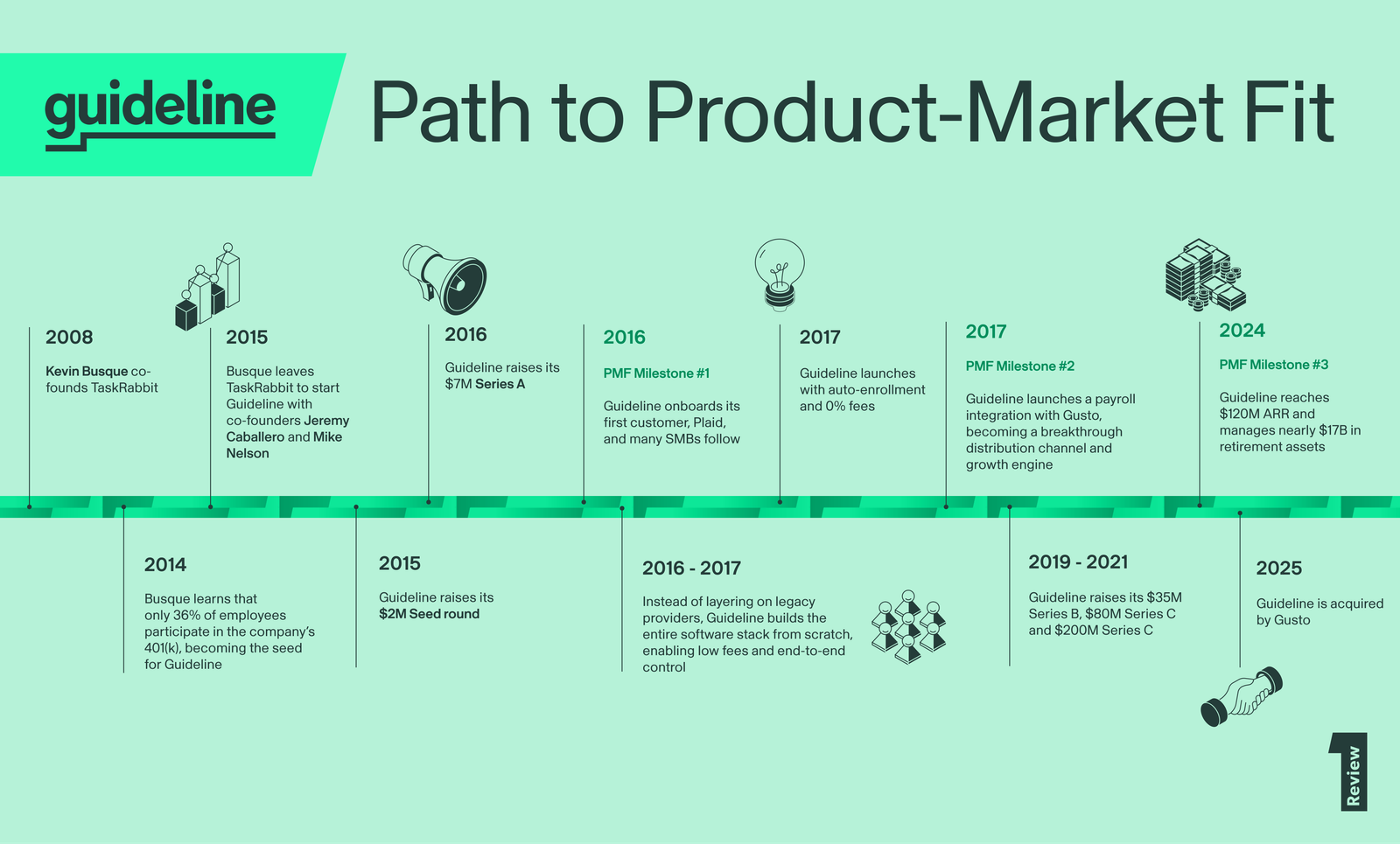
He begins trying to understand why so few of his employees are making use of this company benefit, which costs TaskRabbit more than $20,000 annually. As he takes a closer look at their 401(k) providers, he starts to grasp the issues.
Он начинает пытаться понять, почему так мало его сотрудников пользуются этой корпоративной льготой, которая обходится TaskRabbit более чем в $20 000 в год. Присмотревшись к их провайдерам 401(k), он начинает осознавать проблемы.
Subject: Listen: Why crazy deadlines produce better products than strategy docs
Тема: Слушайте: почему безумные дедлайны рождают продукты лучше, чем стратегические документы
Jeremy Epling joins Executive Function this week for a deep dive on what it takes to become an incredibly effective CPO.
На этой неделе Jeremy Epling приходит в Executive Function для глубокого разбора того, что нужно, чтобы стать невероятно эффективным CPO.
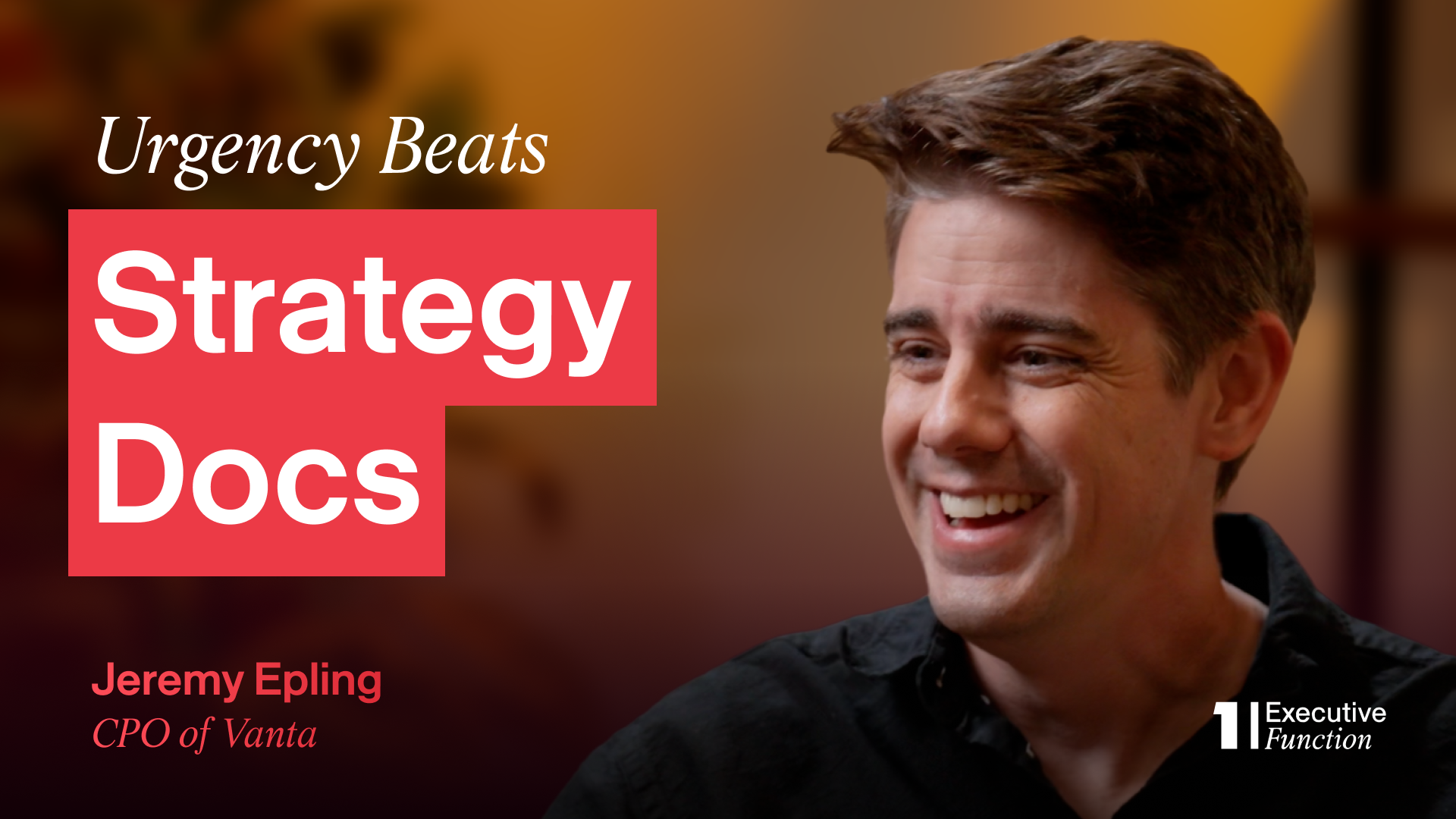
After a 16-year run at Microsoft overseeing just about every major product line, Jeremy Epling joined GitHub as VP of Product. For one of his first projects, then-CEO Nat Friedman assigned him to a mission impossible: Get GitHub Actions to GA in nine months. No budge on the timeline.
После 16 лет в Microsoft, где он курировал едва ли не каждую крупную продуктовую линейку, Jeremy Epling пришёл в GitHub как VP of Product. На одном из первых проектов тогдашний CEO Nat Friedman поставил ему миссию невыполнима: вывести GitHub Actions в GA за девять месяцев. Сроки — без сдвигов.
It seemed absurd to Epling on paper, but he says Friedman’s confidence and coaching ultimately pushed him to get it done. “I did better work than I thought I could on a faster schedule than I thought I could. It was a career-defining project for me,” he says.
На бумаге это казалось Epling абсурдом, но он говорит, что уверенность и наставничество Friedman в итоге подтолкнули его довести дело до конца. «Я сделал работу лучше, чем думал, что способен, и в более сжатые сроки, чем считал возможным. Это был определяющий проект в моей карьере», — говорит он.
Epling’s now CPO at Vanta, where he’s modeled his own leadership MO after Friedman to help his team do great work faster than they thought possible.
Сейчас Epling — CPO в Vanta, где он выстроил собственный стиль лидерства по образцу Friedman, чтобы помогать своей команде делать отличную работу быстрее, чем они считали возможным.
He shares more gems in this episode of Executive Function, which is well worth a listen for executives across the org chart — not just on the product side:
Он делится ещё многими ценными мыслями в этом эпизоде Executive Function, который стоит послушать руководителям по всей оргструктуре — а не только на продуктовой стороне:
Найдите в своей компании IC-инфлюенсеров и держитесь рядом с ними. «Я всегда ищу инфлюенсеров в своём отделе, — говорит он. — Многие компании недостаточно чествуют IC. Обычно они чрезвычайно хороши в том, что делают. Они умеют хорошо доносить это до руководителей. И я считаю, что это навык».Как избежать проблемы «принеси камень» в принятии решений. В Microsoft была поговорка, что плохое принятие решений — это как попросить кого-то принести камень. «Кто-то говорит: „Эй, можешь принести камень?“ А ты: „Какой камень?“ Приносишь один, а тебе: „Вообще-то это не тот“. Это худшее, — говорит Epling. — Поэтому мы стараемся очертить границы вокруг решений и спрашиваем: „Какие данные, по общему согласию, нам нужны, чтобы принять это решение?“»Опыт в большой компании не обязательно ставит крест на работе в стартапе. Epling совершил карьерный переход, который в технологиях часто оказывается роковым: из большой компании (причём масштаба Microsoft) в руководители стартапа. Он говорит, что это сработало по двум причинам: каждые несколько лет он проходил путь «от нуля к единице» с новыми продуктами в Microsoft, что было похоже на работу в «серии стартапов». И вместо того чтобы прыгать сразу из Microsoft, он сделал «мост» в виде стажа в GitHub, который хорошо подготовил его к Vanta. Он смог пройти полный коммерческий цикл — от продукта к месседжингу, ценообразованию и выручке, тогда как в Microsoft продукт жил на отдельной планете, оторванный от бизнес-стороны.
Explore more Executive Function episodes:
Изучите больше эпизодов Executive Function:
Chris Degnan, бывший CRO в SnowflakeStevie Case, CRO в VantaRyan Lucas, VP of Design в Rippling
Subject: Stop asking “What’s your biggest pain point?” in customer discovery
Тема: Перестаньте спрашивать «В чём ваша главная боль?» в customer discovery
This week, we’re back with another installment of our Paths to Product-Market Fit series with Serval, an AI startup taking a swing at a hundred-billion dollar ITSM incumbent.
На этой неделе мы возвращаемся с очередным выпуском нашей серии Paths to Product-Market Fit вместе с Serval — AI-стартапом, который замахнулся на стомиллиардного ITSM-старожила.
Serval's Path to Product-Market Fit — Win Enterprise Buyers by Treating Them Like Consumers
Путь Serval к product-market fit — как завоевать enterprise-покупателей, обращаясь с ними как с потребителями
When hunting for startup ideas, Jake Stauch opened with the textbook discovery question: “What’s your biggest pain point?” It got him nowhere.
В поисках идей для стартапа Jake Stauch начал с хрестоматийного вопроса для discovery: «В чём ваша главная боль?» Это ни к чему его не привело.
He’d had dozens of conversations with IT buyers, a persona he’d spent a lot of time with as a product leader at security platform Verkada and wanted to build for at his new startup.
У него были десятки разговоров с IT-покупателями — персоной, с которой он много работал как продуктовый лидер в платформе безопасности Verkada и для которой хотел строить в своём новом стартапе.
“Nowadays people have mostly solved the problems they're aware of. They've already got some tool in place,” says Stauch. “I did a lot of interviews where I’d ask, ‘What keeps you up at night?’ And I just didn’t hear anything very interesting.”
«Сейчас люди в основном уже решили проблемы, о которых знают. У них уже есть какой-то инструмент, — говорит Stauch. — Я провёл массу интервью, где спрашивал: „Что не даёт вам спать по ночам?“ И не услышал ничего особо интересного».
So he swapped in a new question: “If you could hire somebody today to sit next to you and do your work for you, what would you have them do?”
Поэтому он заменил его новым вопросом: «Если бы вы могли сегодня нанять кого-то, кто сидел бы рядом с вами и делал бы за вас вашу работу, что бы вы ему поручили?»
“When you frame the question as, ‘Hey, if you had somebody else here to help you, what’s the work that you'd give them?’ That's a nonjudgmental way of asking for pain points because you're saying, ‘What would you push over to this new person?’” says Stauch. “That way, they can be much more free to say, ‘I don't like to do these things or I am doing a lot of this and I think somebody else could do it for me instead.’”
«Когда формулируешь вопрос так: „Эй, если бы у вас был кто-то ещё в помощь, какую работу вы бы ему отдали?“ — это безоценочный способ спросить о болевых точках, потому что ты как бы говоришь: „Что бы вы спихнули этому новому человеку?“ — говорит Stauch. — Так они чувствуют себя гораздо свободнее и могут сказать: „Я не люблю делать эти вещи“ или „Я делаю много вот этого, и думаю, кто-то другой мог бы делать это за меня“».
The answers to that question sparked the idea for Serval, an AI platform that automates help desk requests and other IT workflows.
Ответы на этот вопрос породили идею Serval — AI-платформы, которая автоматизирует запросы в help desk и другие IT-процессы.
Stauch had these discovery conversations in April 2024, while still at his day job at Verkada. Serval’s now a billion-dollar startup that nabbed a $75M Series B just one month after announcing its Series A, with customers like Notion, Clay and Vercel.
Stauch вёл эти discovery-разговоры в апреле 2024 года, ещё работая на основной работе в Verkada. Теперь Serval — стартап на миллиард долларов, который привлёк раунд Series B на $75 млн всего через месяц после анонса своего Series A, с клиентами вроде Notion, Clay и Vercel.
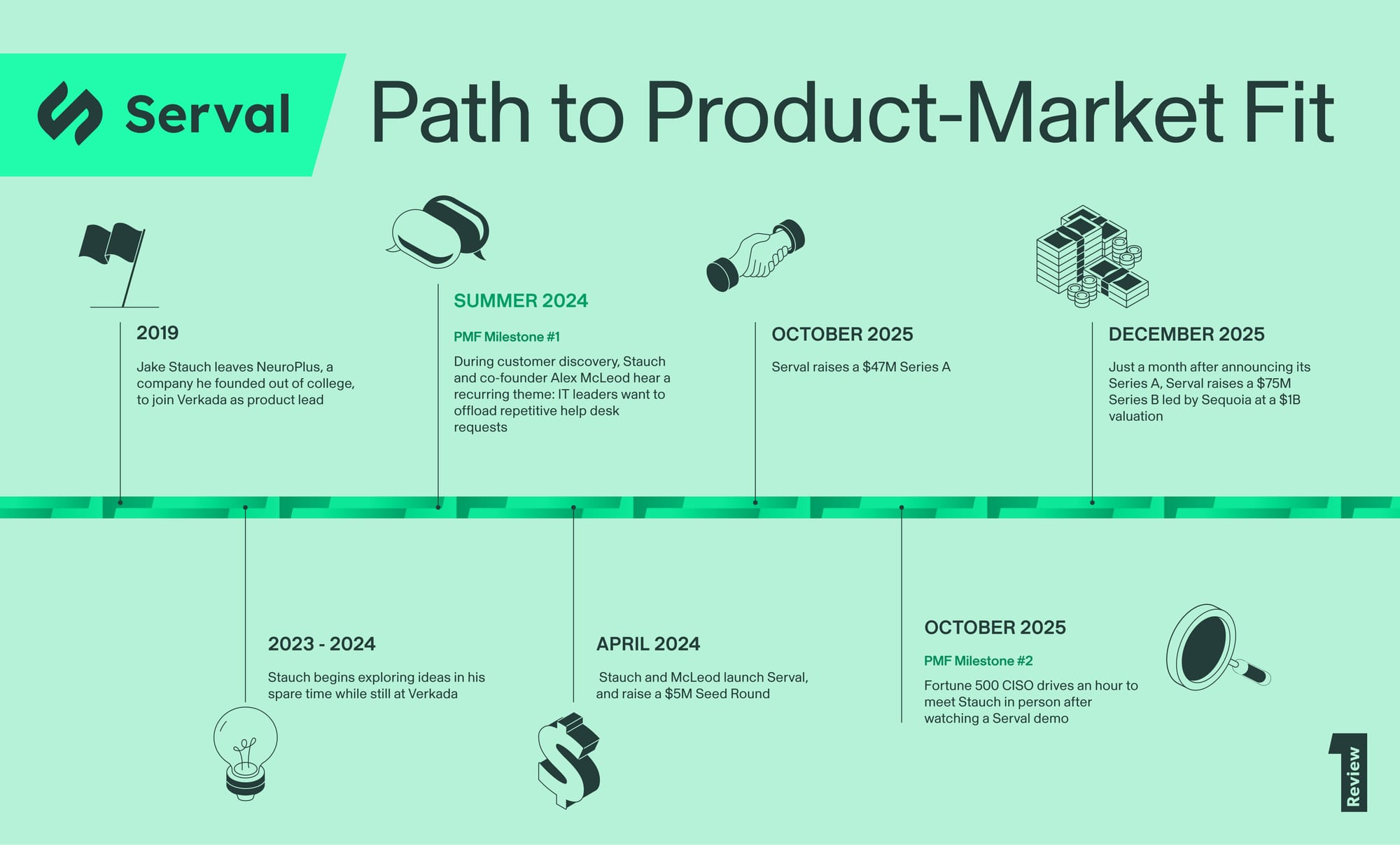
On The Review, Stauch shares his biggest PMF lessons two years into building, before the early decisions blur into a glossy timeline.
На The Review Stauch делится своими главными уроками по PMF спустя два года стройки — пока ранние решения не размылись в глянцевый таймлайн.
Subject: Listen: Snowflake’s former CRO on scaling from $0 to $3.5B (and surviving 4 CEOs)
Тема: Слушайте: бывший CRO Snowflake о масштабировании с $0 до $3,5 млрд (и о том, как пережить 4 CEO)
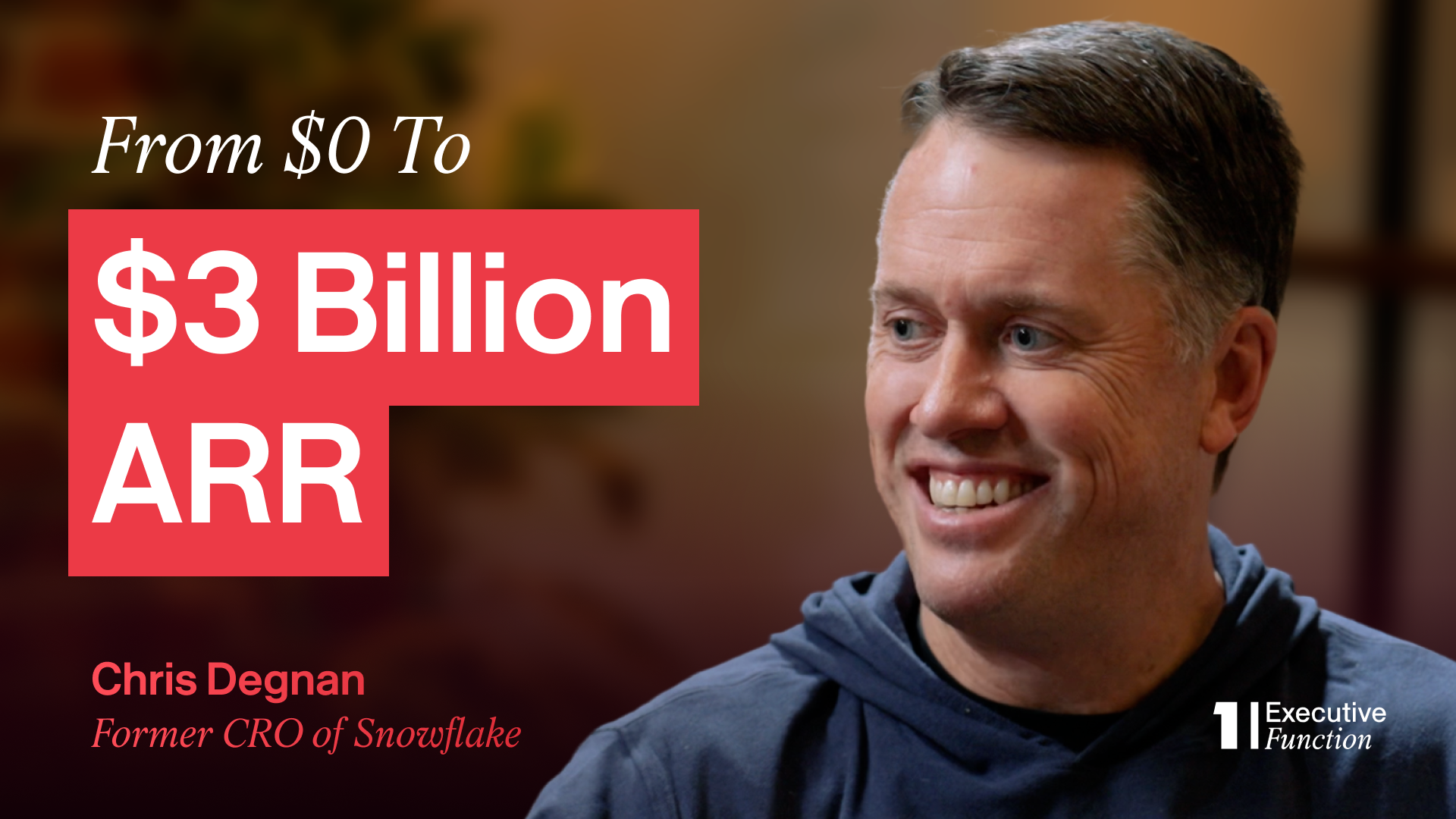
This week on Executive Function, former Snowflake CRO Chris Degnan shares lessons from a decade scaling a single company to billions in revenue.
На этой неделе в Executive Function бывший CRO Snowflake Chris Degnan делится уроками десятилетнего масштабирования одной компании до миллиардов в выручке.
“I need to know how to sell the product better than anyone else. Otherwise, how will I be able to judge if we’re hiring the right salespeople? Or what a good sales call looks like? How can I trust the forecast I’m being given?”
«Мне нужно уметь продавать продукт лучше, чем кто-либо другой. Иначе как я смогу судить, нанимаем ли мы правильных продавцов? Или как выглядит хороший звонок по продажам? Как я могу доверять прогнозу, который мне дают?»
Chris Degnan joined Snowflake as employee #13 — the first sales hire. He scaled revenue from $0 to more than $3B ARR, his tenure as CRO spanning 11 years and four CEOs. He now advises startups on building a disciplined go-to-market strategy.
Chris Degnan пришёл в Snowflake как сотрудник №13 — первый наём в продажи. Он нарастил выручку с $0 до более чем $3 млрд ARR, а его срок в роли CRO растянулся на 11 лет и четырёх CEO. Теперь он консультирует стартапы по выстраиванию дисциплинированной go-to-market стратегии.
On the latest episode of Executive Function, Degnan sits down with First Round partner Brett Berson to discuss how the CRO role changes from $10M to $1B+, what he learned working under four different CEOs (including Frank Slootman), why he stays hyper-paranoid about competition, and more.
В свежем эпизоде Executive Function Degnan садится с партнёром First Round Brett Berson, чтобы обсудить, как роль CRO меняется при переходе от $10 млн к $1 млрд+, чему он научился, работая под началом четырёх разных CEO (включая Frank Slootman), почему он сохраняет гипер-паранойю по поводу конкуренции и многое другое.
He shares:
Он делится:
Как CRO выстраивают доверие со своими командами по мере отдаления от закрытия сделок. Degnan отказался становиться тем, кого он называет «менеджером-табличником» — CRO, который прячется за столом и дашбордом, теряя связь с передовой продаж. Он говорит, что близость к реальным продажам укрепляет доверие вниз по цепочке. «Если ты теряешь это ощущение „Я могу поднять трубку и позвонить кому угодно в организации“ и сидишь в своей башне из слоновой кости, думая, что всё прекрасно, ты не будешь хорош».Причина его необычайно долгого срока в Snowflake. Редко когда первый наём в продажи стартапа сидит в кресле CRO 11 лет спустя. Degnan говорили, что его готовность впитывать обратную связь от всех — от членов совета директоров до коллег — отчасти объясняет, почему он продержался так долго. «Нужно быть супероткрытым к обратной связи. Слушать её и действовать».Почему голод важнее регалий. Degnan рассказывает, что он ищет при найме head of sales, включая признаки того, что человек готов вкалывать, ездить в командировки и делать неудобную работу, которой требует рост. «Если ты делаешь свою работу правильно, ты не спишь в своей кровати 8–10 ночей в месяц. Ты в дороге. Это вопрос, который я всегда задаю: „Готов ли ты на это?“»
Explore more Executive Function episodes:
Изучите больше эпизодов Executive Function:
Stevie Case, CRO в VantaRyan Lucas, VP of Design в RipplingJeanne DeWitt Grosser, COO в Stripe
Subject: Do you really need a forward deployed engineer?
Тема: Действительно ли вам нужен forward deployed engineer?
We spoke to founders and operators who’ve hired (and been) FDEs to find out what it takes to build the model at your company.
Мы поговорили с основателями и операторами, которые нанимали (и сами были) FDE, чтобы выяснить, что нужно для построения этой модели в вашей компании.
So You Want to Hire a Forward Deployed Engineer: How to Know If You Need One and How to Get the Role Right
Итак, вы хотите нанять forward deployed engineer: как понять, нужен ли он вам, и как правильно выстроить роль

Once written off as a glorified consultant, the forward deployed engineer is now the hottest gig at AI startups.
Когда-то списанный со счетов как разрекламированный консультант, forward deployed engineer сегодня — самая горячая позиция в AI-стартапах.
The FDE was originally conceived by Palantir to wrangle value out of a non-prescriptive product. The title is descriptive: Palantir FDEs spent most of their time literally deployed with customers, and were still very much engineers, writing and debugging production code for some incredibly niche use cases, from government to supply chain to energy.
FDE изначально был придуман Palantir, чтобы выжимать ценность из непредписывающего продукта. Название говорит само за себя: FDE в Palantir большую часть времени проводили буквально развёрнутыми у клиентов и при этом оставались самыми настоящими инженерами, писавшими и отлаживавшими продакшен-код для невероятно нишевых сценариев — от госсектора до цепочек поставок и энергетики.
Now as AI products collide with the reality of legacy systems and thorny codebases, founders have turned to the forward deployed model to send engineers onsite to help speed the time to value for enterprise customers.
Теперь, когда AI-продукты сталкиваются с реальностью легаси-систем и заковыристых кодовых баз, основатели обратились к модели forward deployed, чтобы отправлять инженеров на места и ускорять время до ценности для enterprise-клиентов.
But what’s missing from the FDE hype cycle — no doubt also buoyed by Palantir’s outlier success in recent years — is that the role isn’t one-size-fits-all for every AI startup. It takes a ton of intentional design to actually get a return on investment.
Но из шумихи вокруг FDE выпадает то, что роль — не универсальное решение для каждого AI-стартапа (чему, несомненно, способствует и выдающийся успех Palantir в последние годы). Чтобы реально получить ROI, требуется масса осознанного проектирования.
“Forward deployed engineering is being framed as a panacea right now. But it’s a lot more complicated than that,” says James Honsa, who previously built and scaled Ironclad’s equivalent of an FDE team, called “legal engineering.” “There are times in a company's lifecycle where it makes sense, and there are customer segments where it makes sense, but it's a pretty blunt instrument to try to use for your entire business.”
«Forward deployed engineering сейчас подают как панацею. Но всё намного сложнее», — говорит James Honsa, который ранее построил и масштабировал в Ironclad аналог FDE-команды, называвшийся «legal engineering». «Есть моменты в жизненном цикле компании, когда это имеет смысл, и есть клиентские сегменты, где это имеет смысл, но это довольно грубый инструмент, чтобы пытаться применять его ко всему бизнесу».
We sat down with founders who’ve hired FDEs and former Palantir FDEs and recruiters to break down what justifies adding forward deployed headcount, and how to find the right folks for the job.
Мы сели с основателями, которые нанимали FDE, а также с бывшими FDE и рекрутерами Palantir, чтобы разобрать, что оправдывает добавление forward deployed штата и как найти правильных людей на эту роль.
Our panel covers:
Наша панель охватывает:
Где FDE приносят ценность — от выявления неочевидных, но весомых продуктовых возможностей до масштабирования нахрапистой «энергии CTO»Диагностику, чтобы понять, нужен ли вам реально FDE или просто традиционный инженер либо post-sales специалист, умеющий общаться с клиентамиЧерты, общие для всех выдающихся FDEКак очертить роль для успеха и выбрать, к каким клиентам отправлять
Thanks, as always, for reading and sharing!
-The Review Editors
Спасибо, как всегда, за чтение и репосты!— Редакторы The Review
Subject: Listen: Most CROs are salespeople. Vanta’s CRO says that's changing
Тема: Слушайте: большинство CRO — продавцы. CRO Vanta говорит, что это меняется
Vanta CRO Stevie Case is on Executive Function this week to unpack how revenue leadership is evolving in the AI era.
CRO Vanta Stevie Case на этой неделе в Executive Function разбирает, как эволюционирует лидерство в области выручки в эпоху AI.
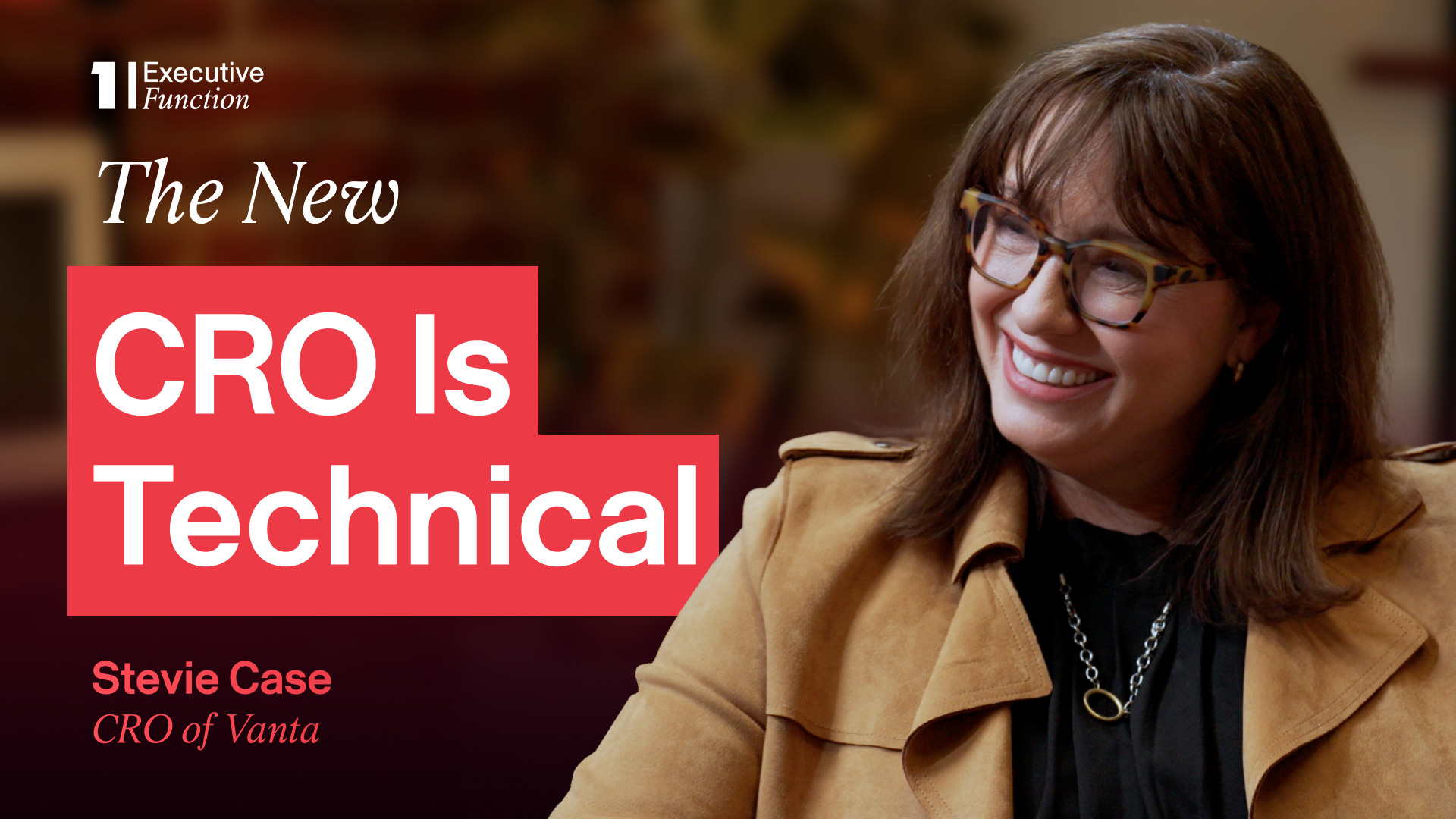
“In 2028, CROs will need to be systems-first instead of human capacity-first. That's not to say we won’t have large go-to-market teams, but we’re going to have to have CROs who know both sides of that equation. And I think less than 10% of current CROs are capable of making that transition.”
«В 2028 году CRO должны будут мыслить „системы прежде всего“, а не „человеческая ёмкость прежде всего“. Это не значит, что у нас не будет крупных go-to-market команд, но нам придётся иметь CRO, которые знают обе стороны этого уравнения. И я думаю, что менее 10% нынешних CRO способны совершить этот переход».
Stevie Case is no ordinary revenue exec. A former pro gamer, she found her way into sales when a mentor took a chance on her, climbing her way up as a sales leader at Twilio before joining Vanta as CRO.
Stevie Case — не рядовой руководитель по выручке. Бывшая профессиональная геймерша, она попала в продажи, когда наставник дал ей шанс, и доросла до позиции лидера продаж в Twilio, прежде чем прийти в Vanta на роль CRO.
She sat down with First Round Partner Brett Berson to dissect how she operates as CRO today, and how she thinks her role is going to change over the next few years.
Она села с партнёром First Round Brett Berson, чтобы разобрать, как она работает как CRO сегодня и как, по её мнению, её роль изменится в ближайшие несколько лет.
She shares:
Она делится:
В чём основатели ошибаются с первым наймом в продажи: основатели отбирают по регалиям, когда ищут первого продавца, тогда как им следовало бы искать голод. «Часто основатели нанимают человека с блестящими логотипами в резюме. Но правильный профиль первого продавца в вашей компании — это, вероятно, не тот человек с громким логотипом. Вам нужен тот, кого мы называем „Renaissance rep“ — более креативный, более предприимчивый. У него не обязательно будет самое красивое резюме».Почему «Midwest assassin» — такая мощная персона продавца: «У нас в Vanta есть этот среднезападный вайб — люди, которые ощущают себя аутсайдерами и в которых есть этот голод», — говорит она. Чтобы найти таких людей, Stevie просит кандидатов описать момент, когда им пришлось пахать ради желаемого результата — личного или профессионального, — внимательно наблюдая, как они рассказывают эту историю. «Когда люди рассказывают тебе историю о том, ради чего им пришлось реально упорно потрудиться, ты слышишь либо человека, который сверхуверен и рассказывает, как всё прошло идеально, либо того, кто способен признать, что он сделал не так».Почему следующее поколение CRO будет техническим: Stevie говорит, что у CRO в 2028 году не обязательно будет профиль как у неё. «Вы увидите людей, у которых достаточно соприкосновения с продажами, но которые при этом технические и понимают системы. Это может быть человек с бэкграундом в growth, RevOps или GTM-инжиниринге, и это не обязательно будет тот, кто прошёл через 10+ лет продаж».
We’ve got a lot more interviews lined up in the coming weeks. Here are some of the incredible execs you’ll be able to learn from:
У нас запланировано ещё много интервью на ближайшие недели. Вот некоторые из потрясающих руководителей, у которых вы сможете поучиться:
Chris Degnan, бывший CRO в SnowflakeDavid Singleton, бывший CTO в StripeKatie Burke, COO в HarveySheila Joglekar Vashee, CMO в Figma
Subject: Listen: Why Rippling’s VP of Design thinks speed improves quality
Тема: Слушайте: почему VP of Design в Rippling считает, что скорость повышает качество
On our second episode of Executive Function, Rippling’s VP of Design, Ryan Lucas, discusses how to build a fast, demanding, supportive place for designers to do their best work.
Во втором эпизоде Executive Function VP of Design в Rippling, Ryan Lucas, рассказывает, как создать быстрое, требовательное и поддерживающее место, где дизайнеры могут делать свою лучшую работу.
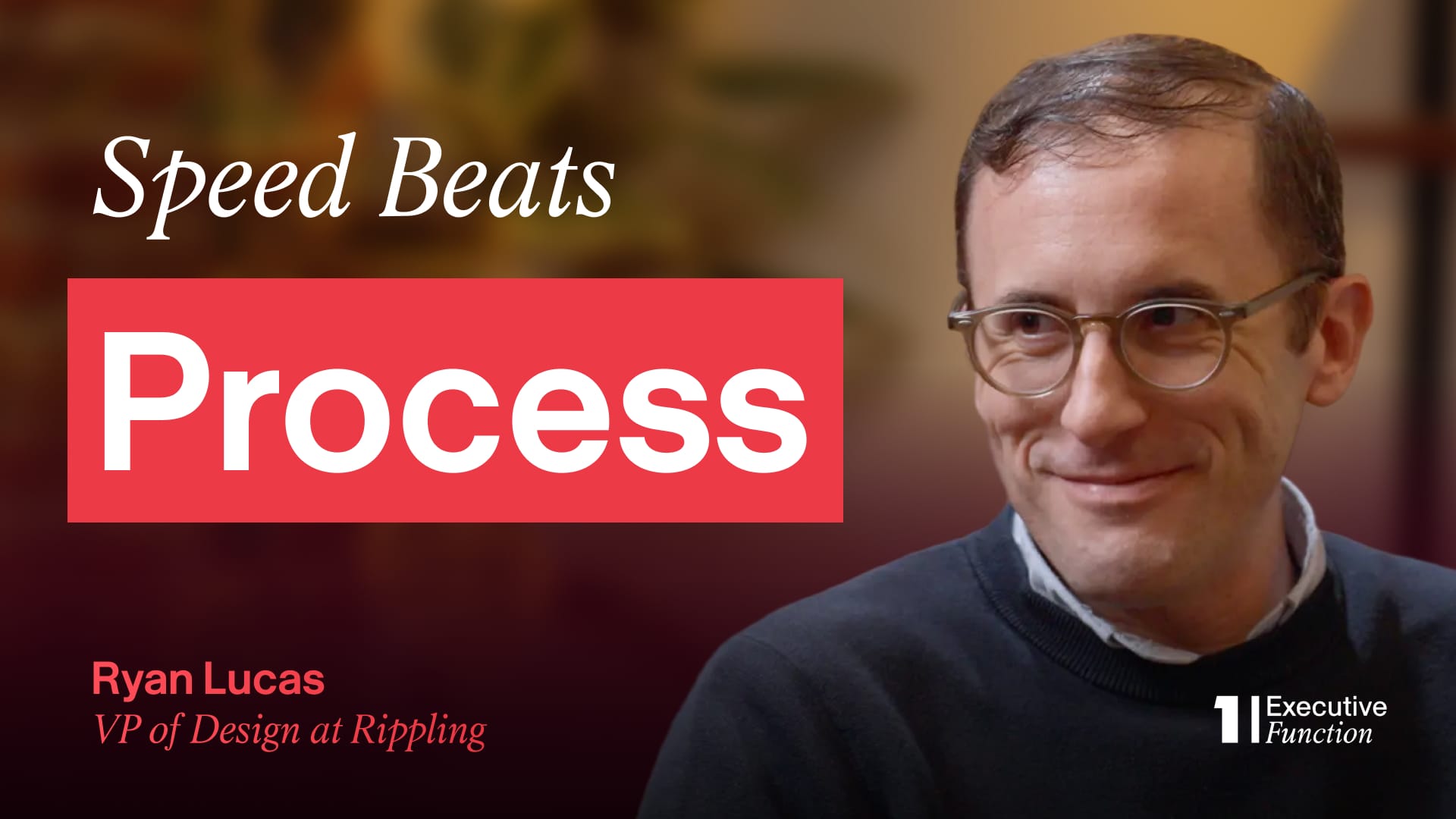
“Figma is not the source of truth. It’s a bunch of rectangles in a vector drawing program,” says Ryan Lucas, VP of Design at Rippling. “The source of truth is the thing that customers experience.”
«Figma — это не источник истины. Это набор прямоугольников в программе для векторного рисования, — говорит Ryan Lucas, VP of Design в Rippling. — Источник истины — это то, что испытывают клиенты».
This exemplifies Lucas’s approach to building products, teams and cultures — utility above all else. In conversation with First Round partner Brett Berson, Lucas explores why you can’t scale taste, how his background as an industrial designer shaped his thinking and how to create a demanding yet supportive environment as a manager.
Это иллюстрирует подход Lucas к созданию продуктов, команд и культур — полезность превыше всего. В беседе с партнёром First Round Brett Berson Lucas исследует, почему нельзя масштабировать вкус, как его бэкграунд промышленного дизайнера сформировал его мышление и как создать требовательную, но поддерживающую среду как менеджер.
Here are a few of our favorite moments from the conversation:
Вот несколько наших любимых моментов из беседы:
Целостный фреймворк того, как дизайнеры должны думать о своей работе: «Полезно, удобно и желанно — вот три вещи, которые мы должны обеспечить. Люди часто забывают о последней. Dreyfuss говорил, что работа дизайнера не выполнена, если продукт не продаётся — нужно понимать баланс, уметь писать тексты, общаться с клиентами. Идея в том, что ты в принципе не можешь создать хорошо проработанный продукт, если не понимаешь всех этих вещей».Создание требовательной, но поддерживающей среды: «Люди не могут делать отличную работу, если ты их не подталкиваешь. Нужно ставить людей в положение некоторого дискомфорта. И я хочу, чтобы это подкреплялось ощущением, что обратная связь, которую я им даю, действительно содержательна. Поддерживающая часть в том, что хорошая творческая работа любого рода не рождается из страха. Трудно балансировать между тем, чтобы подталкивать людей и удерживать их вне зоны „бей или беги“».Возможно ли масштабировать суждение: «Как тебе, дизайн-лидеру, масштабировать качество и делать это повторяемым образом? Можно определить качество и конкретизировать его. Но в какой-то момент оно всё равно остаётся немного неуловимым. Думаю, есть много того, что можно сделать, чтобы распространить способность создавать продукты получше по всей организации. Но чтобы добраться до высшей точки горы, тебе, вероятно, нужен заострённый, со вкусом, благожелательный диктатор».
We’ve got a lot more interviews lined up in the coming weeks. Here are some of the incredible execs you’ll be able to learn from:
У нас запланировано ещё много интервью на ближайшие недели. Вот некоторые из потрясающих руководителей, у которых вы сможете поучиться:
David Singleton, бывший CTO в StripeChris Degnan, бывший COO в DoorDashStevie Case, CRO в VantaKatie Burke, COO в HarveySheila Joglekar Vashee, CMO в Figma
Whether you’re a senior IC who wants to know what it takes to get to the top, or a founder building out your C-suite, we hope you’ll walk away from these conversations with a new model for what executive excellence looks like.
Будь вы senior IC, который хочет узнать, что нужно, чтобы добраться до вершины, или основатель, выстраивающий свой C-suite, — мы надеемся, что вы вынесете из этих бесед новую модель того, как выглядит управленческое совершенство.
Subject: A new podcast from First Round: How the top 0.001% of scaleup execs operate
Тема: Новый подкаст от First Round: как работают топ-0,001% руководителей быстрорастущих компаний
Introducing our new podcast, Executive Function, where we sit down with the best scaleup execs operating today: The ones up-and-coming tech leaders wish they could have as a mentor, and founders wish they could hire.
Представляем наш новый подкаст Executive Function, где мы садимся с лучшими руководителями быстрорастущих компаний, работающими сегодня: с теми, кого начинающие техлидеры мечтали бы иметь в наставниках, а основатели — нанять.
Our first episode with Vercel COO Jeanne DeWitt Grosser just dropped — and stay tuned for future interviews with execs from Rippling, Harvey, Cognition & more.
Наш первый эпизод с COO Vercel Jeanne DeWitt Grosser только что вышел — и оставайтесь с нами ради будущих интервью с руководителями из Rippling, Harvey, Cognition и других.
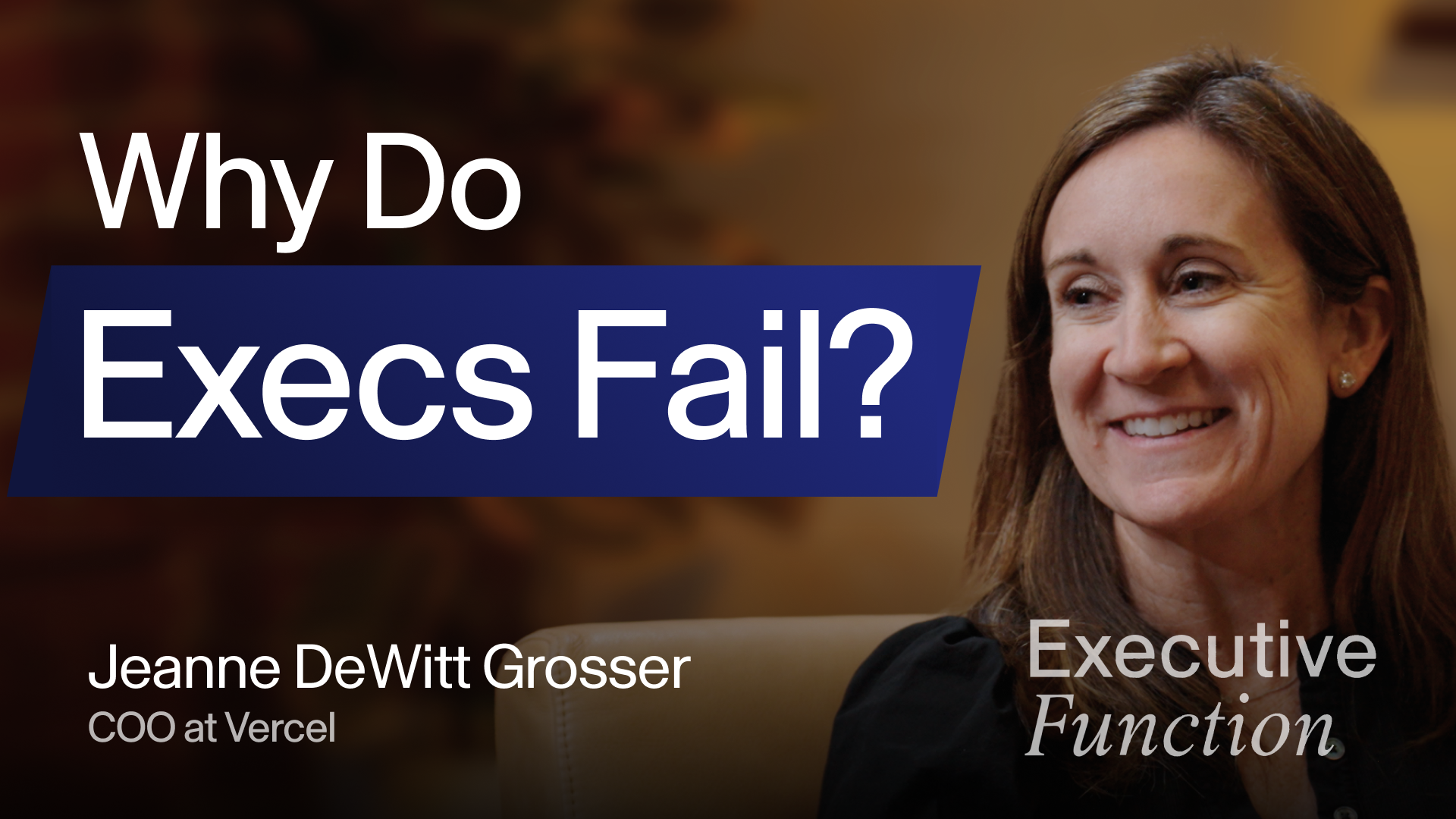
There's a lot of knowledge floating around the Valley about what makes a great founder, engineer or PM. Some names and faces, or heuristics and frameworks probably come to mind.
В Долине ходит много знаний о том, что делает великого основателя, инженера или PM. Какие-то имена и лица, эвристики и фреймворки, вероятно, приходят на ум.
But we’ve found there's remarkably few resources available for folks stepping into the C-suite, specifically at hypergrowth companies — these people are forced to keep pace with a company that changes 5-10x in a year.
Но мы обнаружили, что на удивление мало ресурсов доступно для тех, кто вступает в C-suite, особенно в компаниях гиперроста — этим людям приходится поспевать за компанией, которая меняется в 5–10 раз за год.
Our new podcast, Executive Function, aims to fill this gap. Think of these conversations like office hours with the execs driving the growth of today’s best companies, like Rippling, Harvey and Cognition.
Наш новый подкаст Executive Function стремится восполнить этот пробел. Думайте об этих беседах как об office hours с руководителями, которые двигают рост лучших компаний сегодня — таких как Rippling, Harvey и Cognition.
Our first guest, Jeanne DeWitt Grosser, exemplifies operational excellence. She spent nearly a decade at Stripe, leading growth and product before stepping into the role of Chief Business Officer. She’s now the Chief Operating Officer at Vercel.
Наша первая гостья, Jeanne DeWitt Grosser, олицетворяет операционное совершенство. Она провела почти десять лет в Stripe, возглавляя growth и продукт, прежде чем занять роль Chief Business Officer. Сейчас она Chief Operating Officer в Vercel.
First Round Partner Brett Berson sat down with Jeanne to unpack why most execs fail, how she interviews exec hires and why context is the biggest rate limiter of impact. Some highlights from their conversation:
Партнёр First Round Brett Berson сел с Jeanne, чтобы разобрать, почему большинство руководителей терпят неудачу, как она проводит собеседования с кандидатами в руководители и почему контекст — главный ограничитель влияния. Несколько ключевых моментов из их беседы:
Почему самый трудный скачок в лидерстве — это переход от менеджера передовой к менеджеру менеджеров: «Часто люди застревают там, где пытаются масштабироваться через то, что сделало их успешными до сих пор, и становятся супер-IC вместо того, чтобы дать окружающим их людям тоже стать превосходными IC».Почему лучшие руководители каждые пару месяцев делают себя ненужными на своей работе: «В ту минуту, когда ты чувствуешь, что глубоко овладел чем-то, ты, вероятно, достиг точки, в которой стоит выяснить, как это делает кто-то другой».Жестокая правда, которую John Collison высказал во время performance review и которая до сих пор звучит у неё в голове: «Он сказал мне: „Когда ты считаешь, что человек плох в своей работе, он для тебя мёртв“. Это нельзя развидеть».
We’ve got a lot more interviews lined up in the coming weeks. Here are some of the incredible execs you’ll be able to learn from:
У нас запланировано ещё много интервью на ближайшие недели. Вот некоторые из потрясающих руководителей, у которых вы сможете поучиться:
David Singleton, бывший CTO в StripeRyan Lucas, VP of Design в RipplingStevie Case, CRO в VantaKatie Burke, COO в HarveySheila Joglekar Vashee, CMO в Figma
Whether you’re a senior IC who wants to know what it takes to get to the top, or a founder building out your C-suite, we hope you’ll walk away from these conversations with a new model for what executive excellence looks like.
Будь вы senior IC, который хочет узнать, что нужно, чтобы добраться до вершины, или основатель, выстраивающий свой C-suite, — мы надеемся, что вы вынесете из этих бесед новую модель того, как выглядит управленческое совершенство.
Subject: Mastering the skill of company-building, from Applied Intuition’s founder
Тема: Овладение мастерством построения компаний — от основателя Applied Intuition
This week, Qasar Younis shares all the personal and professional moves he made to found Applied Intuition.
На этой неделе Qasar Younis рассказывает обо всех личных и профессиональных шагах, которые он сделал, чтобы основать Applied Intuition.
Applied Intuition’s Path to Product-Market Fit — The $15B Founder’s Formula for a Winning Company
Путь Applied Intuition к product-market fit — формула основателя компании на $15 млрд для построения компании-победителя
For Qasar Younis, the path to product-market fit dates back to childhood.
Для Qasar Younis путь к product-market fit уходит корнями в детство.
He grew up in a Detroit suburb, where the auto industry was the backdrop to his whole life: His father was an auto worker whose job security wavered as production moved to China. Younis studied engineering at the General Motors Institute. He worked part-time on the factory floor.
Он вырос в пригороде Детройта, где автоиндустрия была фоном всей его жизни: его отец был автомобильным рабочим, чья стабильность работы пошатнулась, когда производство переехало в Китай. Younis изучал инженерию в General Motors Institute. Он подрабатывал на заводском цеху.
Younis always knew he wanted to be a founder, inspired by watching his dad reclaim his autonomy. “He started his own small business, which he still runs today. That’s been hugely informative to me. I saw him get his dignity that way. He really became a master of his own destiny,” he says.
Younis всегда знал, что хочет стать основателем, вдохновлённый тем, как его отец вернул себе автономию. «Он открыл свой небольшой бизнес, которым руководит до сих пор. Это было для меня огромным уроком. Я видел, как он так обрёл своё достоинство. Он по-настоящему стал хозяином собственной судьбы», — говорит он.
So he designed his career to optimize his own founder training: engineering jobs at General Motors and Bosch, business school, a stint at a holding company to “learn finance,” investing at Y Combinator. He tried his hand at starting two companies, the second of which he sold to Google.
Поэтому он выстроил свою карьеру так, чтобы оптимизировать собственную подготовку к роли основателя: инженерные должности в General Motors и Bosch, бизнес-школа, стаж в холдинговой компании, чтобы «выучить финансы», инвестирование в Y Combinator. Он попробовал свои силы в создании двух компаний, вторую из которых продал Google.
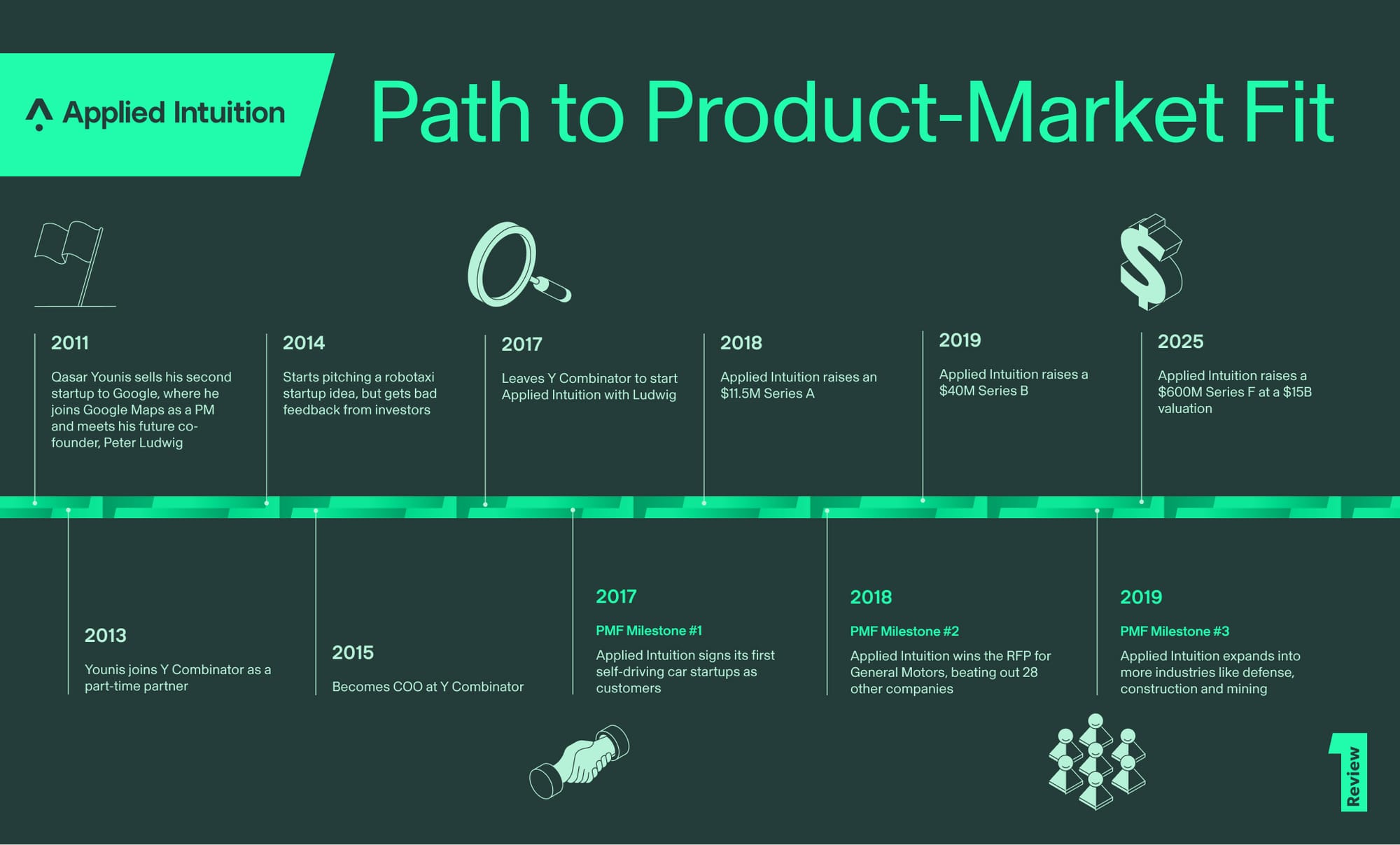
At Google he’d meet Peter Ludwig, a PM and fellow Detroit kid who was also interested in starting a company. Their shared experiences, from growing up in Motor City to building sensors for a Google Street View car, materialized in a startup idea that only they could pursue: software for automakers developing self-driving cars, which would become Applied Intuition.
В Google он встретил Peter Ludwig, PM и такого же детройтского парня, который тоже был заинтересован в создании компании. Их общий опыт — от взросления в Motor City до создания сенсоров для машины Google Street View — материализовался в идею стартапа, которую могли реализовать только они: софт для автопроизводителей, разрабатывающих беспилотные автомобили, который и станет Applied Intuition.
Subject: What cold-calling from a closet taught Gusto’s founder about PMF
Тема: Чему холодные звонки из чулана научили основателя Gusto о PMF
This week, Gusto co-founder and CPO Tomer London shares how relentlessly cold-calling potential customers taught him to recognize what PMF really feels like.
На этой неделе со-основатель и CPO Gusto Tomer London рассказывает, как безостановочные холодные звонки потенциальным клиентам научили его распознавать, как на самом деле ощущается PMF.
Gusto’s Path to Product-Market Fit — How Listening to Customers Built a $9.6B Company
Путь Gusto к product-market fit — как слушание клиентов построило компанию на $9,6 млрд
It’s 2012 and Tomer London has locked himself in a closet, phone in hand, to dial the numbers of small business owners he finds on Yelp, taking rejection, after rejection, after rejection on the chin. He’s recently dropped out of an electrical engineering PhD program at Stanford to focus on the payroll startup he co-founded with Josh Reeves and Edward Kim that will eventually become Gusto.
На дворе 2012 год, и Tomer London заперся в чулане с телефоном в руке, чтобы обзванивать номера владельцев малого бизнеса, которых он находит на Yelp, принимая отказ за отказом за отказом стойко. Он недавно бросил программу PhD по электротехнике в Стэнфорде, чтобы сосредоточиться на стартапе по расчёту зарплат, который он основал вместе с Josh Reeves и Edward Kim и который в итоге станет Gusto.
“We were hustling, trying to find who would trust the three of us to run their payroll,” London says. “We had a swimming class for kids. We had a flower shop where Eddie was buying flowers, and he asked her, ‘Who do you use for payroll?’ She didn’t have a provider, so we set her up.”
«Мы крутились как могли, пытаясь найти, кто доверит троим из нас вести свою зарплату, — говорит London. — Был детский класс плавания. Был цветочный магазин, где Eddie покупал цветы, и он спросил у неё: „Кого вы используете для расчёта зарплаты?“ Провайдера у неё не было, так что мы её подключили».
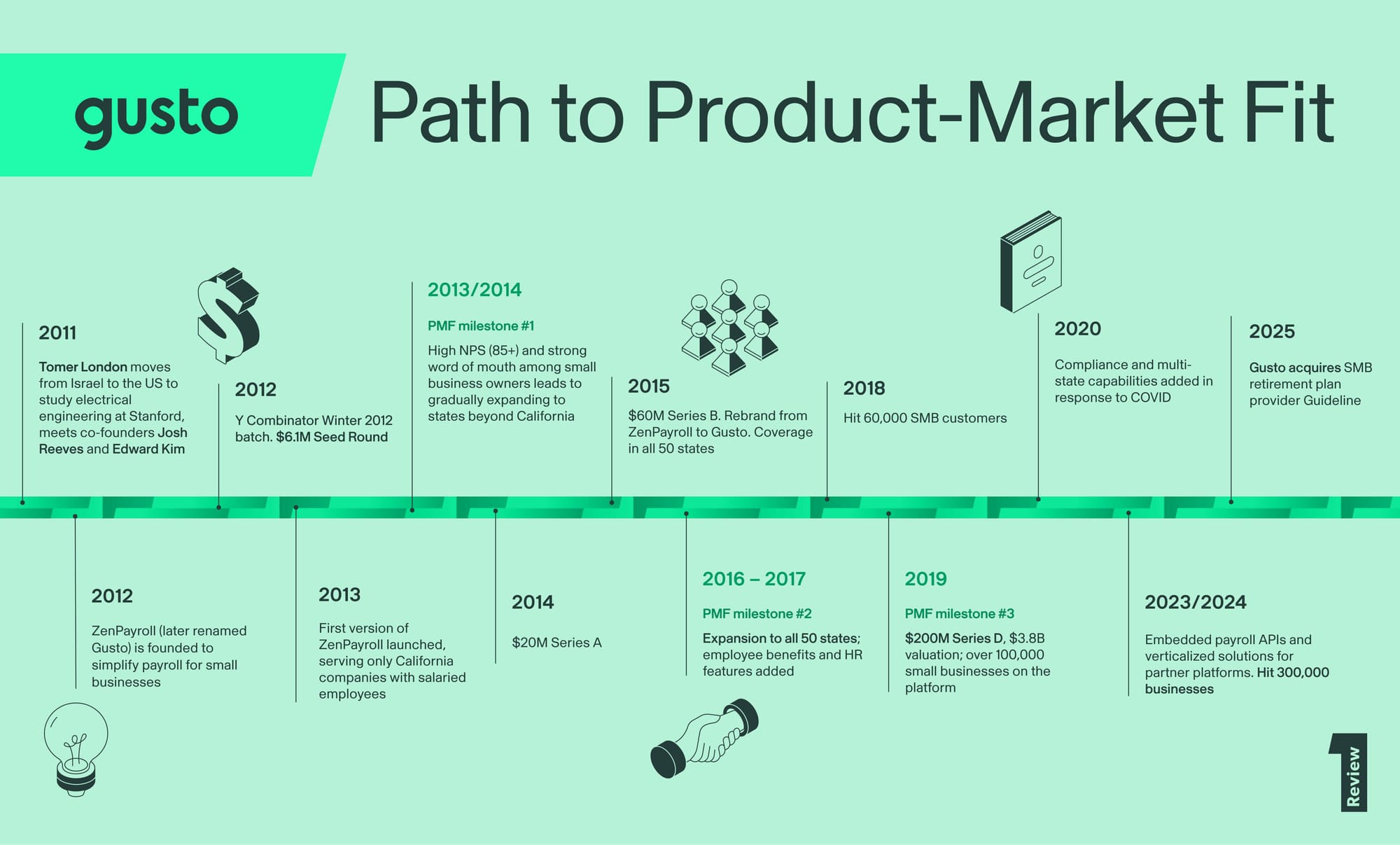
They were concurrently exploring building an API payroll product for enterprise platforms. But all that cold-calling had revealed a surprising truth: Among prospective customers, SMBs were much more enthusiastic than ENTs.
Параллельно они изучали создание API-продукта для расчёта зарплат для enterprise-платформ. Но все эти холодные звонки выявили неожиданную истину: среди потенциальных клиентов SMB были куда более воодушевлены, чем ENT.
“I remember going to some of these big platforms and we were sure they were going to love it. But the response we mostly got was, ‘This could be cool, but it’s not a priority right now.’”
«Помню, как мы приходили на некоторые из этих больших платформ и были уверены, что им понравится. Но ответ, который мы в основном получали, был: „Это может быть круто, но сейчас это не в приоритете“».
SMBs, meanwhile, were clamoring for a product to solve their payroll problems …
SMB же, наоборот, жаждали продукта для решения своих проблем с зарплатой…
Subject: The unconventional growth levers that made Canva a $42B company
Тема: Нестандартные рычаги роста, сделавшие Canva компанией стоимостью $42 млрд
Cameron Adams barely knew Melanie Perkins and Cliff Obrecht before the three decided to build Canva together. In a recent conversation, Adams shared how he knew it was the right choice, how SEO and localization unlocked massive growth, and more.
Cameron Adams едва знал Melanie Perkins и Cliff Obrecht, прежде чем трое решили строить Canva вместе. В недавней беседе Adams рассказал, как он понял, что это правильный выбор, как SEO и локализация раскрыли колоссальный рост, и многое другое.
Canva’s Path to Product-Market Fit: How a Two-Hour Founder Date Led To a $42B Design Platform
Путь Canva к product-market fit: как двухчасовое «свидание основателей» привело к дизайн-платформе на $42 млрд
In March 2012, Cameron Adams returned to Sydney from San Francisco at an uncertain moment. The Google alum had just come back from a fundraising trip for Fluent, the email startup he’d co-founded, without securing the backing he’d hoped for. He also had a newborn at home.
В марте 2012 года Cameron Adams вернулся в Сидней из Сан-Франциско в неопределённый момент. Этот выпускник Google только что приехал с поездки по привлечению инвестиций для Fluent, email-стартапа, который он со-основал, не заручившись поддержкой, на которую надеялся. К тому же дома у него был новорождённый.
“We spent two months traipsing up and down Sand Hill Road and all over the Bay Area. We thought we would come back with a novelty-sized check of $2 million. Didn’t pan out that way."
«Мы два месяца моталась вверх-вниз по Sand Hill Road и по всему Bay Area. Думали, что вернёмся с гигантским чеком на $2 миллиона. Вышло не так».
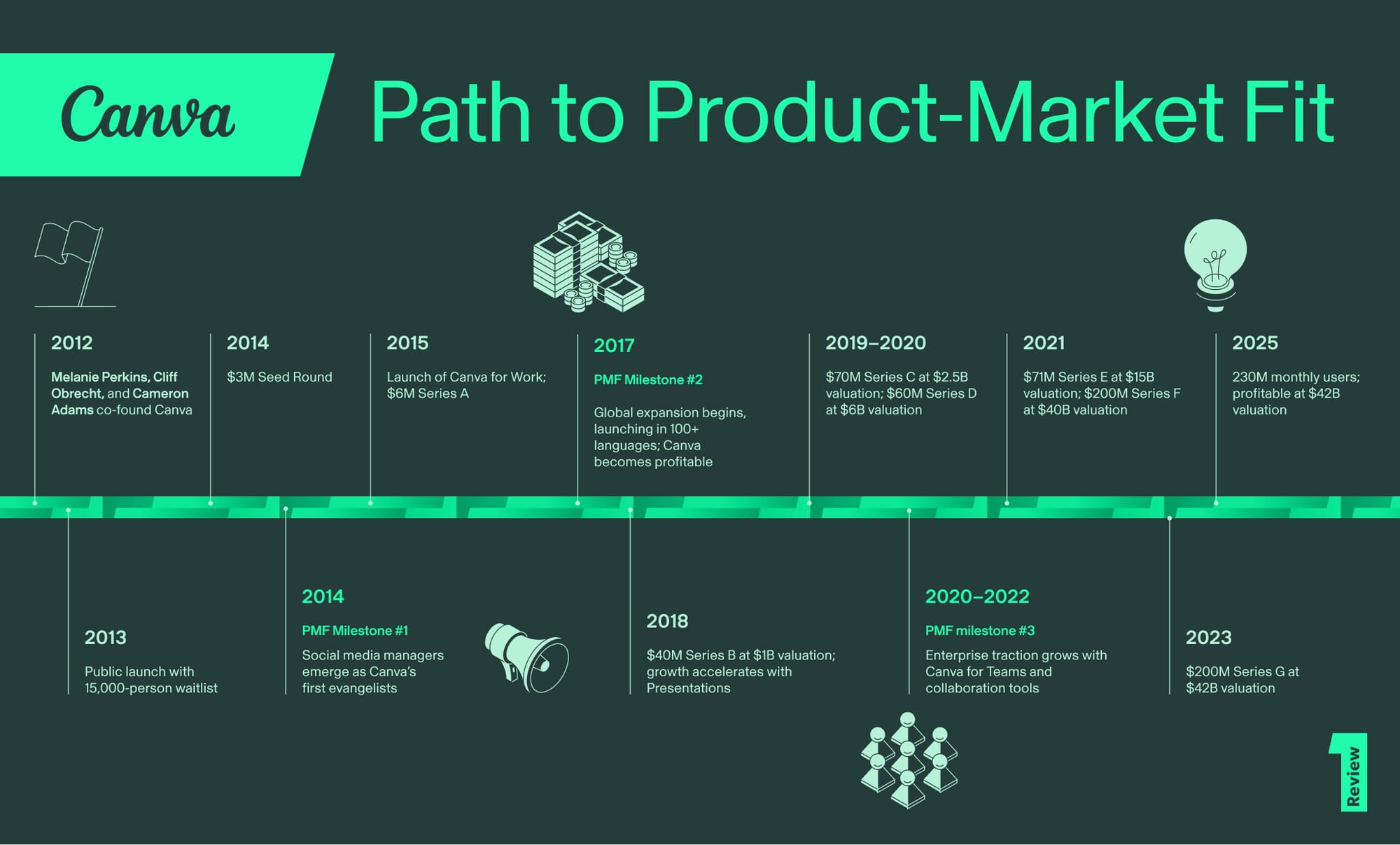
He’d left his role as a user interface designer at Google to give the startup his full attention — a decision that left him taking stock of what came next.
Он оставил свою роль дизайнера пользовательских интерфейсов в Google, чтобы отдать стартапу всё своё внимание — решение, которое заставило его подводить итог тому, что будет дальше.
That’s when Lars Rasmussen, the co-founder of Google Maps and Adams’s former boss at Google, came to him with a serendipitous suggestion, encouraging Adams to meet a young entrepreneur he’d recently been introduced to: Melanie Perkins. Perkins, with her partner Cliff Obrecht, had built an online yearbook business called Fusion Books, which was pulling in $2-3 million a year.
Тогда-то Lars Rasmussen, со-основатель Google Maps и бывший начальник Adams в Google, пришёл к нему с удачным предложением, посоветовав Adams встретиться с молодой предпринимательницей, с которой его недавно познакомили: Melanie Perkins. Perkins вместе со своим партнёром Cliff Obrecht построила онлайн-бизнес по выпуску школьных альбомов под названием Fusion Books, который приносил $2–3 миллиона в год.
But they had their eyes on a much bigger prize. If students could easily create and publish their own yearbooks online with zero design skills, it stood to reason that with the right tools, anyone should be able to design anything…
Но они нацеливались на куда больший приз. Если студенты могут легко создавать и публиковать собственные школьные альбомы онлайн без всяких навыков дизайна, то логично, что с правильными инструментами любой человек должен суметь спроектировать что угодно…
Subject: The best company building advice we heard in 2025
Тема: Лучшие советы по построению компаний, которые мы услышали в 2025 году
Sharing our favorite snippets of startup advice we published last year.
Делимся нашими любимыми фрагментами стартап-советов, которые мы опубликовали в прошлом году.
The 30 Best Pieces of Company Building Advice We Heard in 2025
30 лучших советов по построению компаний, которые мы услышали в 2025 году

Happy 2026!
С 2026 годом!
We’re kicking off the new year with a tradition we’ve upheld ever since The Review was born in 2013. Every January, we comb through all the articles we published over the past 12 months to pull out 30 pieces of standout advice.
Мы открываем новый год традицией, которую соблюдаем с тех пор, как The Review появился на свет в 2013 году. Каждый январь мы прочёсываем все статьи, опубликованные за последние 12 месяцев, чтобы вытащить 30 фрагментов выдающихся советов.
We spoke with some incredible founders and builders in 2025, filling out an archive that covered topics from launching out of stealth to user onboarding to landing your first design partners.
В 2025 году мы пообщались с потрясающими основателями и строителями, пополнив архив, охвативший темы от выхода из стелс-режима до онбординга пользователей и привлечения первых design-партнёров.
As we assembled this guide, the snippets that stood out to us were the seemingly small tactics and against-the-grain approaches that led to outsized impact. They came from folks who weren’t afraid to take risks long before their strategies became consensus, or before their companies became household names.
Пока мы собирали это руководство, нам особенно бросились в глаза те, казалось бы, мелкие тактики и идущие против шерсти подходы, которые привели к непропорционально большому эффекту. Они исходили от людей, которые не боялись рисковать задолго до того, как их стратегии стали общепринятыми, а их компании — известными каждому.
Here’s a taste of the advice that made the list:
Вот лишь толика советов, попавших в список:
Проведите обратное демо. Со-основатель Clay Varun Anand спроектировал прорывной рост выручки компании. Лишь одна из его остроумных GTM-тактик: перевернуть классическое демо с ног на голову, попросив клиента поделиться своим экраном и устроить Clay тест-драйв под его руководством.«Мемифицируйте» свою идею, чтобы набрать импульс внутри компании. Mihika Kapoor сплотила людей со всей Figma, чтобы вместе запустить новую ставку: Figma Slides. Для этого она превратила продуктовую идею в мем, даже создав кастомный эмодзи в Slack. «Может показаться случайным, но большой частью того, что сделало Figma Slides внутренне вирусной, был тот факт, что мы назвали её „Flides“. В итоге это и был тот мем, который люди смогли подхватить и понести дальше. Потому что чудаковатость очеловечивает твою идею», — говорит она.В эпоху AI нанимайте больше начинающих специалистов, а не меньше. Мы сели с VP и Head of Engineering Shopify, Farhan Thawar, чтобы выяснить, как он воплотил в своём отделе знаменитый AI-меморандум CEO Tobi Lütke. Идя против тренда сокращать начальные роли, Shopify сделала наём молодых людей ключевой частью своей AI-стратегии: за прошлый год компания взяла 1000 стажёров. Thawar говорит, что молодые люди — это AI-кентавры: они используют AI рефлекторно и творчески.
We hope you’ll find something in here you can put to use to build an incredible company, whether that’s today or 10 years from now.
Надеемся, вы найдёте здесь что-то, что сможете применить для построения невероятной компании — будь то сегодня или через 10 лет.
Thanks, as always, for reading and sharing!
-The Review Editors
Спасибо, как всегда, за чтение и репосты!— Редакторы The Review
Subject: The most honest lessons about the path to product-market fit
Тема: Самые честные уроки о пути к product-market fit
What the best founders taught us about building companies in 2025
Чему лучшие основатели научили нас о построении компаний в 2025 году
All companies start with a founder who asks some version of the same question: Imagine if this could be different?
Все компании начинаются с основателя, который задаёт ту или иную версию одного и того же вопроса: Представьте, если бы это могло быть иначе?
What happens next is where the real story lives — when ideas become real. That path is hardly ever a straight line. But what’s shared among those who walk it is an obsession with building something truly great.
То, что происходит дальше, — вот где живёт настоящая история, когда идеи становятся реальностью. Этот путь почти никогда не бывает прямой линией. Но то, что объединяет тех, кто его проходит, — это одержимость созданием чего-то по-настоящему великого.
This year on our podcast, In Depth, we asked founders to retrace the steps they took to find product-market fit in more detail than they’ve ever shared before.
В этом году в нашем подкасте In Depth мы попросили основателей восстановить шаги, которые они предприняли, чтобы найти product-market fit, в большей детализации, чем когда-либо рассказывали раньше.
Owner co-founder and CEO, Adam Guild, takes us through how the idea for the company started after saving his mom’s struggling dog grooming business. Braintrust founder and CEO Ankur Goyal recounts first feeling PMF when he didn’t have to convince anyone to use the product. And Jyoti Bansal, founder and CEO of Harness, shares why the hardest decision he ever made was to break up with Netflix as a customer. You’ll also hear from the founders of Gusto, fal, Meter, Postman, Reducto, Sentry, Serval and Stedi.
Со-основатель и CEO Owner Adam Guild проводит нас через то, как идея компании зародилась после спасения прогорающего бизнеса его мамы по грумингу собак. Основатель и CEO Braintrust Ankur Goyal вспоминает, как впервые ощутил PMF, когда ему уже не приходилось никого уговаривать использовать продукт. А Jyoti Bansal, основатель и CEO Harness, рассказывает, почему самым трудным решением в его жизни было расстаться с Netflix как с клиентом. Вы также услышите основателей Gusto, fal, Meter, Postman, Reducto, Sentry, Serval и Stedi.
Of course, this is only a sliver of the advice shared across dozens of episodes of In Depth this year. Here were some more of our favorites:
Разумеется, это лишь крупица советов, прозвучавших в десятках эпизодов In Depth в этом году. Вот ещё несколько наших любимых:
Как Clay узнал, какие проблемы нужно решать его ICP: продукт начинался как подключённая к API таблица, которая стягивала информацию из множества источников в одно место, — но у него было слишком много ICP, что вело к непоследовательному использованию и раздуванию функций. Определив владельцев агентств (а в итоге и продавцов) как целевую аудиторию, со-основатель Varun Anand захотел лучше понять их проблемы. «Я вступал во все эти WhatsApp-группы и, по сути, ждал, пока люди заговорят о проблемах, связанных с обогащением данных, — говорит он. — Мы использовали это как способ попасть в экосистему и реально помочь людям решать их проблемы с помощью Clay».Почему основатели Linear построили продукт для себя, сделав его заострённым, а не гибким: со-основатель и CEO Linear Karri Saarinen всегда обладал глазом дизайнера, но, будучи principal designer в Airbnb, этот глаз сфокусировался на недовольстве софтом для управления проектами компании. Так что он и его со-основатели построили альтернативу. «Моя философия дизайна всегда была в том, что нужно проектировать что-то для кого-то, и очень трудно спроектировать что-то хорошее для всех, — говорит он. — Я не верю, что можно построить оптимальный инструмент для чего-либо, если он очень гибкий. Так что с самого начала мы хотели быть заострёнными в том, что должен быть хороший способ делать вещи».Что, по мнению со-основателя и CEO Applied Intuition, является настоящим моментом рождения основателя: до Applied Intuition Qasar Younis был основателем и COO в Y Combinator. Он взаимодействовал со множеством основателей и определил этот момент как тот, когда они по-настоящему принимают мантию основателя: «Основатель рождается не тогда, когда решает создать компанию или привлечь капитал. Основатель рождается, когда получает обратную связь о продукте, рынке или себе самом — и интерпретирует её правильно, — говорит он. — Что действительно важно — так это то, что тебе нужно как-то обесценить чью-то обратную связь и переоценить чью-то другую. Этот анализ и интерпретация — истинная суть того, чтобы быть основателем, особенно на ранних этапах».
Thanks, as always, for watching and sharing!
-The Review Editors
Спасибо, как всегда, за просмотр и репосты!— Редакторы The Review
Subject: Notion put an engineer in sales to build better AI tools
Тема: Notion отправил инженера в продажи, чтобы создавать более качественные AI-инструменты
This week on Applied Intelligence, we learn how an AI engineer at Notion joined the sales team for a month to understand their challenges and build better tools to solve their problems.
На этой неделе в Applied Intelligence мы узнаём, как AI-инженер из Notion на месяц присоединился к команде продаж, чтобы понять её задачи и создать более качественные инструменты для их решения.
Context Before Code: How Notion Put an AI Engineer on the Sales Floor to Discover What Actually Needed Building
Context Before Code: как Notion посадил AI-инженера в зал продаж, чтобы выяснить, что действительно нужно создавать
His first day on Notion’s sales team, AI engineer Theo Bleier made 40 cold calls. He didn’t land a single meeting — but he did discover insights that would change how Notion built internal AI sales tools.
В свой первый день в команде продаж Notion AI-инженер Theo Bleier сделал 40 холодных звонков. Он не назначил ни одной встречи — но он добыл инсайты, которые изменят то, как Notion создаёт внутренние AI-инструменты для продаж.
Instead of just throwing AI at the sales team and expecting results, Bleier became a card-carrying member of the sales pod for a month. He had named accounts. He learned about objection handling. He (unsuccessfully) cold-called.
Вместо того чтобы просто швырнуть AI в команду продаж и ждать результатов, Bleier на месяц стал полноценным членом продажного пода. У него были закреплённые аккаунты. Он учился отработке возражений. Он (безуспешно) делал холодные звонки.
Sitting with Notion’s most successful salespeople, Bleier noticed they spent extra time doing account research before any outbound. But he learned the result of that research wasn’t better email messaging — these reps developed a better understanding of when to reach out to these accounts and prioritize them accordingly.
Сидя с самыми успешными продавцами Notion, Bleier заметил, что они тратили дополнительное время на исследование аккаунтов перед любым outbound. Но он понял, что результатом этого исследования был не лучший месседжинг в письмах — эти представители вырабатывали лучшее понимание того, когда выходить на эти аккаунты и расставлять их приоритеты соответственно.
“From the outside, it seems obvious we should make the sales team move faster by doing account research for them. But when Theo came in and did research, where he ended up was actually account prioritization."
- Pravesh Mistry, Notion’s Head of Global Sales.
«Со стороны кажется очевидным, что нам стоит заставить команду продаж двигаться быстрее, делая за них исследование аккаунтов. Но когда Theo пришёл и сделал исследование, он в итоге пришёл к приоритизации аккаунтов». — Pravesh Mistry, Head of Global Sales в Notion.
This led to Bleier’s framework for a successful sales process: “Right messaging to the right person at the right company at the right time — and right time is step zero.”
Это привело Bleier к его фреймворку успешного процесса продаж: «Правильный месседж правильному человеку в правильной компании в правильное время — и правильное время это нулевой шаг».
As a result, Bleier created an internal tool called “Salestino bot” to automate that process. It gives reps specific product signals they use to better prioritize which accounts to reach out to, while also providing them with customized messaging to edit and use in that outreach.
В результате Bleier создал внутренний инструмент под названием «Salestino bot» для автоматизации этого процесса. Он даёт представителям конкретные продуктовые сигналы, которые они используют, чтобы лучше расставлять приоритеты, к каким аккаунтам обращаться, а также предоставляет им кастомизированный месседжинг, который можно отредактировать и использовать в этом outreach.
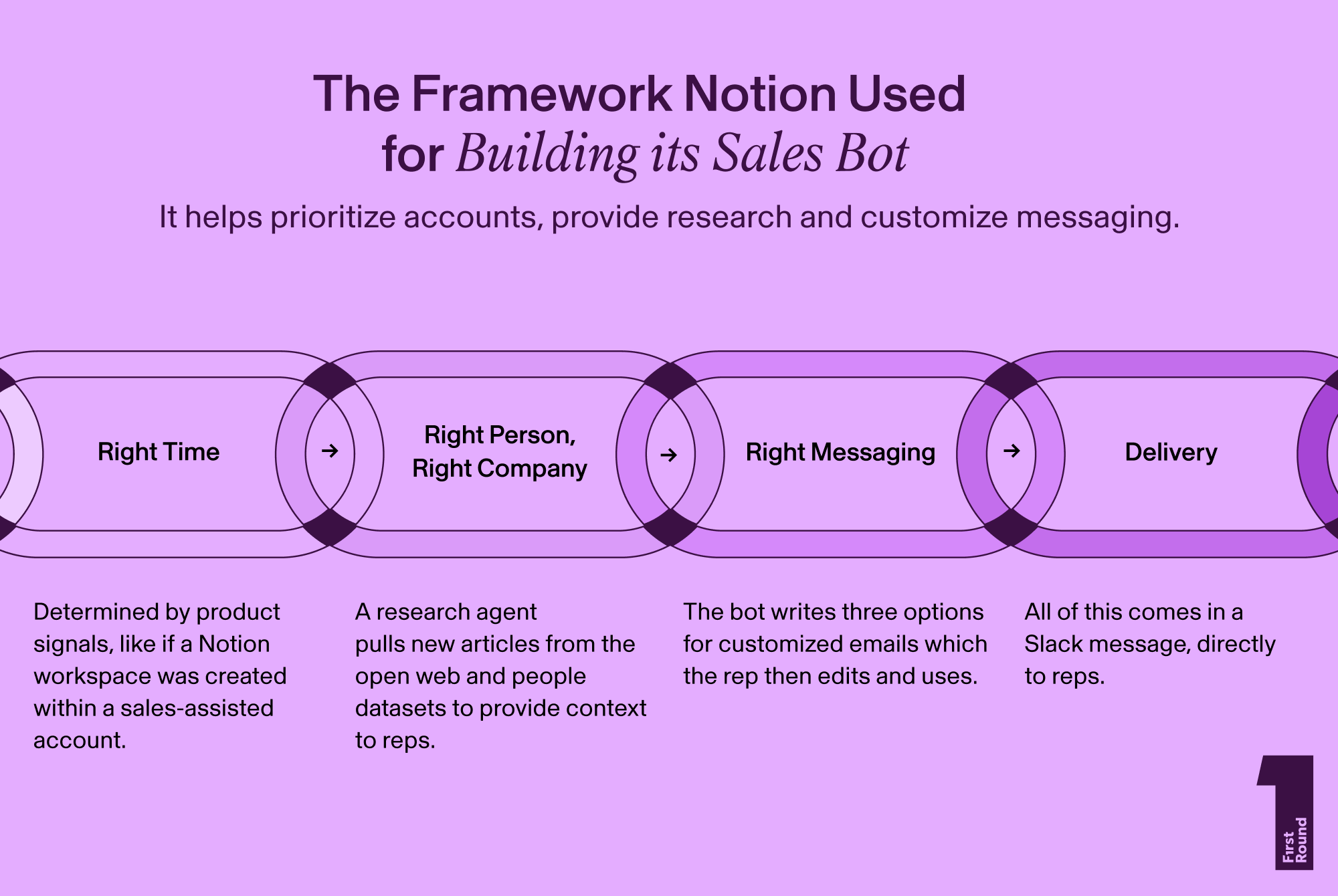
In this exclusive interview, we learn about Bleier’s immersion process to find the right problems and exactly how he built the tools to solve them. If you’re developing internal AI tools, Bleier’s process is a clear example of how to find the real problem before writing a single line of code.
В этом эксклюзивном интервью мы узнаём о процессе погружения Bleier, позволившем ему найти правильные проблемы, и о том, как именно он построил инструменты для их решения. Если вы разрабатываете внутренние AI-инструменты, процесс Bleier — наглядный пример того, как найти настоящую проблему, прежде чем написать хоть одну строку кода.
Thanks, as always, for reading and sharing,
Спасибо, как всегда, за чтение и репосты,
-The Review editors
— Редакторы The Review
Subject: The merger playbook: A founder’s firsthand story of the deal that beat the odds
Тема: Плейбук по слияниям: рассказ основателя из первых рук о сделке, которая обошла все шансы
This week, Bob Moore, co-founder and CEO of Crossbeam, details every aspect of merging with a fast-growing competitor.
На этой неделе Bob Moore, со-основатель и CEO Crossbeam, подробно разбирает каждый аспект слияния с быстрорастущим конкурентом.
The Merger Playbook: Crossbeam’s CEO Breaks Down Every Detail of the Deal That Worked
Плейбук по слияниям: CEO Crossbeam разбирает каждую деталь сделки, которая сработала
75% of mergers fail. But Bob Moore, co-founder and CEO of ecosystem revenue platform company Crossbeam, knew a deal with fast-growing competitor Reveal could materially change the trajectory of his company.
75% слияний терпят неудачу. Но Bob Moore, со-основатель и CEO компании-платформы экосистемной выручки Crossbeam, знал, что сделка с быстрорастущим конкурентом Reveal может существенно изменить траекторию его компании.
Leading up to the deal, Crossbeam was approaching $10M ARR and had 800 customers (including Snowflake, Okta and Shopify). But uncover the up-and-to-the-right metrics and you’d see a different story — the company was spending too much cash to generate each incremental dollar of revenue and that revenue was coming too slowly.
В преддверии сделки Crossbeam приближался к $10 млн ARR и имел 800 клиентов (включая Snowflake, Okta и Shopify). Но копни глубже метрики «вверх-и-вправо» — и увидишь другую историю: компания тратила слишком много денег, чтобы генерировать каждый дополнительный доллар выручки, и эта выручка приходила слишком медленно.
“Our journey to $10M ARR had felt like chewing glass, and we still saw a buffet of it ahead of us,” Moore says.
«Наш путь к $10 млн ARR ощущался как пережёвывание стекла, и впереди нас ждал ещё целый фуршет из него», — говорит Moore.
In this essay, Moore goes into extreme, firsthand detail about how he and Reveal’s co-founder and CEO, Simon Bouchez, architected a merger that beat the odds. He takes us through:
В этом эссе Moore до предела подробно, из первых рук рассказывает о том, как он и со-основатель и CEO Reveal, Simon Bouchez, выстроили слияние, обошедшее все шансы. Он проводит нас через:
Как они разделили долю собственности и структурировали советРешения и ценности, которые диктовали каждый аспект сделки, с примерами того, как они применялись на практикеПочему месседжинг и нарратив были так важны и как они разворачивались по разным каналамКак они объединяли две команды и продукта и какие трудные компромиссы им пришлось делать в процессе каждого из этих шагов
Moore’s account of the merger goes beyond the vague headlines and PR talking points you normally get when it comes to M&A. If you’ve never run a real process yourself, you might be surprised at the sheer number of details to make it work. It’s a fascinating look at how two companies actually come together.
Рассказ Moore о слиянии выходит за рамки расплывчатых заголовков и пиар-тезисов, которые обычно получаешь, когда речь идёт о M&A. Если вы никогда не вели реальный процесс сами, вас может удивить само число деталей, нужных, чтобы всё заработало. Это захватывающий взгляд на то, как две компании на самом деле сходятся вместе.
Thanks, as always, for reading and sharing!
-The Review Editors
Спасибо, как всегда, за чтение и репосты!— Редакторы The Review