5 Best Free AI Helpers To Try In 2026
Статья представляет пятёрку лучших бесплатных ИИ-помощников, проводя аналогию с фильмом «Она» (2013), где герой Хоакина Феникса влюбляется в ИИ-систему Саманту. ИИ-помощники определяются как программы, использующие искусственный интеллект для выполнения задач и понимания естественного языка. В подборку вошли: Google Assistant как универсальный персональный ассистент, Hemingway Editor для письма, Microsoft Math Solver для математики, Tabnine как бесплатная альтернатива GitHub Copilot для кода (поддержка более 30 языков программирования) и Canva для дизайна. В конце объясняется, что ИИ-помощники работают на основе больших языковых моделей (LLM) и нейросетей, используя алгоритмы NLP, распознавание речи (WaveNet, Deep Speech) и компьютерное зрение (YOLO, ResNet). Все перечисленные инструменты доступны бесплатно через веб-сайты и мобильные приложения.
In the 2013 sci-fi film "Her," Joaquin Phoenix's character falls in love with an AI operating system named Samantha.
В научно-фантастическом фильме «Она» 2013 года персонаж Хоакина Феникса влюбляется в операционную систему с ИИ по имени Саманта.
While today's AI assistants may not be our romantic partners, they're certainly our helpers in productivity, creativity, and learning. In this article, we'll explore some of the best free AI helpers available in 2024, showcasing how they're bringing a touch of that "Her" magic into our everyday lives — minus the complex emotions, of course.
Хотя сегодняшние ИИ-ассистенты, возможно, и не наши романтические партнёры, они определённо наши помощники в продуктивности, творчестве и обучении. В этой статье мы рассмотрим некоторые из лучших бесплатных ИИ-помощников, доступных в 2024 году, и покажем, как они привносят частичку той самой магии «Она» в нашу повседневную жизнь — разумеется, без сложных эмоций.
What Are AI Helpers?
Что такое ИИ-помощники?
AI helpers, also known as virtual assistants or AI assistants, are software programs that use artificial intelligence to perform tasks or provide services for an individual. These digital aides can understand natural language, learn from interactions, and execute a wide range of commands and queries.
ИИ-помощники, также известные как виртуальные ассистенты или ИИ-ассистенты, — это программы, которые используют искусственный интеллект для выполнения задач или предоставления услуг человеку. Эти цифровые помощники умеют понимать естественный язык, учиться на взаимодействиях и выполнять широкий спектр команд и запросов.
The Best Free AI Helpers in 2026
Лучшие бесплатные ИИ-помощники в 2026 году
Personal Assistant: Google Assistant
Персональный ассистент: Google Assistant
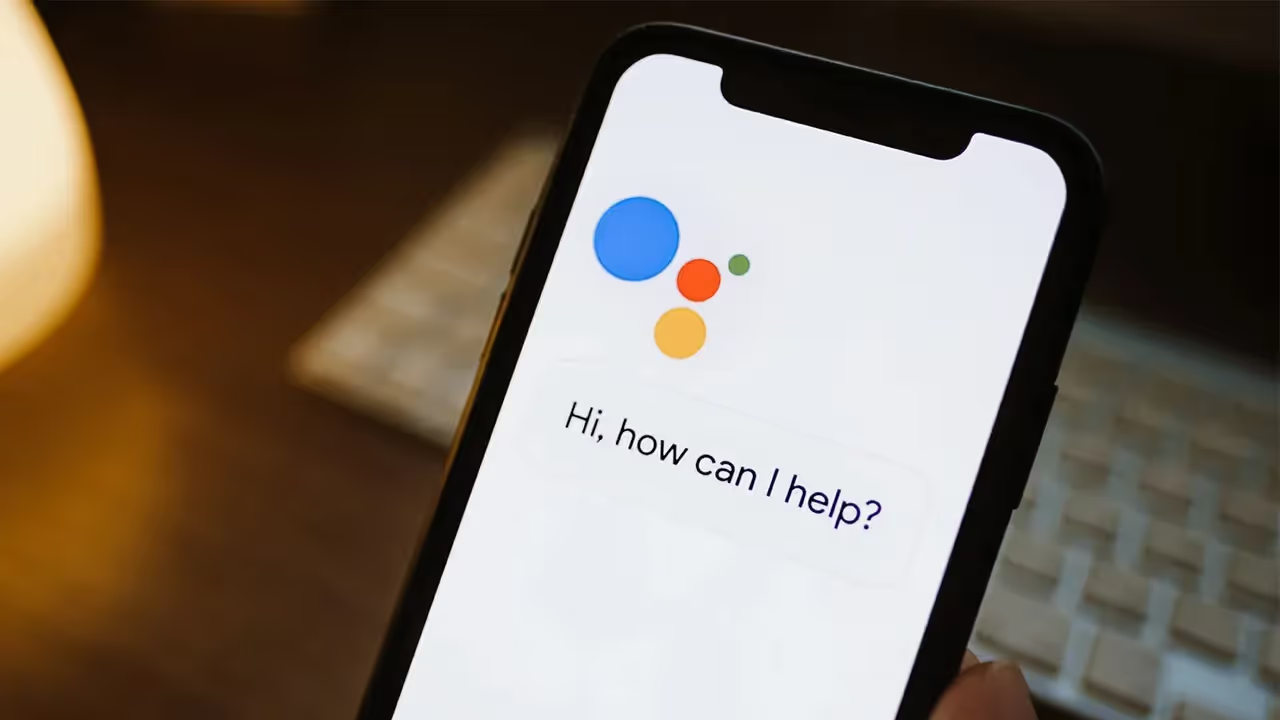
Google Assistant remains one of the most versatile and powerful AI helpers available for free. In 2024, it has expanded its capabilities to include:
Google Assistant остаётся одним из самых универсальных и мощных ИИ-помощников, доступных бесплатно. В 2024 году его возможности расширились и теперь включают:
Улучшенные естественные диалоги: ассистент теперь может вести более сложные, многоходовые разговоры, запоминая контекст предыдущих взаимодействий.Проактивные подсказки: на основе вашего календаря, местоположения и привычек он предлагает своевременные напоминания и рекомендации.Улучшенный перевод языков: перевод в реальном времени теперь охватывает более 100 языков с повышенной точностью и естественно звучащей речью.Интеграция с умным домом: Google Assistant теперь может изучать ваши привычки и автоматизировать сложные последовательности действий на различных устройствах умного дома.
How to use: Available on Android devices, iOS app, Google Home devices, and through the Google Chrome browser.
Как пользоваться: доступен на устройствах Android, в приложении для iOS, на устройствах Google Home и через браузер Google Chrome.
AI Writing Helper: Hemingway Editor
ИИ-помощник для письма: Hemingway Editor

While not traditionally thought of as an AI tool, the Hemingway Editor has incorporated AI to enhance its capabilities:
Хотя Hemingway Editor традиционно не воспринимается как ИИ-инструмент, он внедрил искусственный интеллект для расширения своих возможностей:
Анализ стиля: ИИ анализирует ваш стиль письма и предлагает рекомендации, чтобы сделать текст яснее и интереснее.Оценки читабельности: предоставляет обратную связь о читабельности вашего текста в реальном времени, предлагая улучшения.Корректировка тона: помогает настроить тон вашего письма под разные аудитории и цели.Улучшение грамматики и синтаксиса: предлагает рекомендации по грамматике и синтаксису на основе ИИ.
How to use: Available for free through their website.
Как пользоваться: доступен бесплатно через их веб-сайт.
3. AI Math Helper: Microsoft Math Solver
3. ИИ-помощник по математике: Microsoft Math Solver
Microsoft's free math tool has become increasingly sophisticated:
Бесплатный математический инструмент Microsoft становится всё более продвинутым:
Распознавание задач: сфотографируйте математическую задачу, и ИИ распознает и решит её.Пошаговые решения: предоставляет подробные объяснения для широкого спектра математических понятий.Интерактивные графики: для более сложных задач он предлагает интерактивные 2D- и 3D-графики.Персонализированное обучение: ИИ отслеживает ваш прогресс и предлагает практические задачи, подобранные под ваш уровень.
How to use: Available as a free mobile app and through the Microsoft website.
Как пользоваться: доступен как бесплатное мобильное приложение и через веб-сайт Microsoft.
4. AI Code Helper: Tabnine
4. ИИ-помощник для кода: Tabnine
Tabnine has emerged as a powerful free alternative to GitHub Copilot:
Tabnine стал мощной бесплатной альтернативой GitHub Copilot:
Автодополнение кода: предлагает дополнения кода на основе контекста и вашего стиля программирования.Поддержка множества языков: работает с более чем 30 языками программирования.Способность к обучению: улучшает свои подсказки по мере изучения ваших паттернов написания кода.Ориентация на приватность: предлагает локальную ИИ-модель, которая не отправляет ваш код в облако.
How to use: Available as a plugin for most popular IDEs and code editors.
Как пользоваться: доступен как плагин для большинства популярных IDE и редакторов кода.
5. AI Design Helper: Canva
5. ИИ-помощник для дизайна: Canva
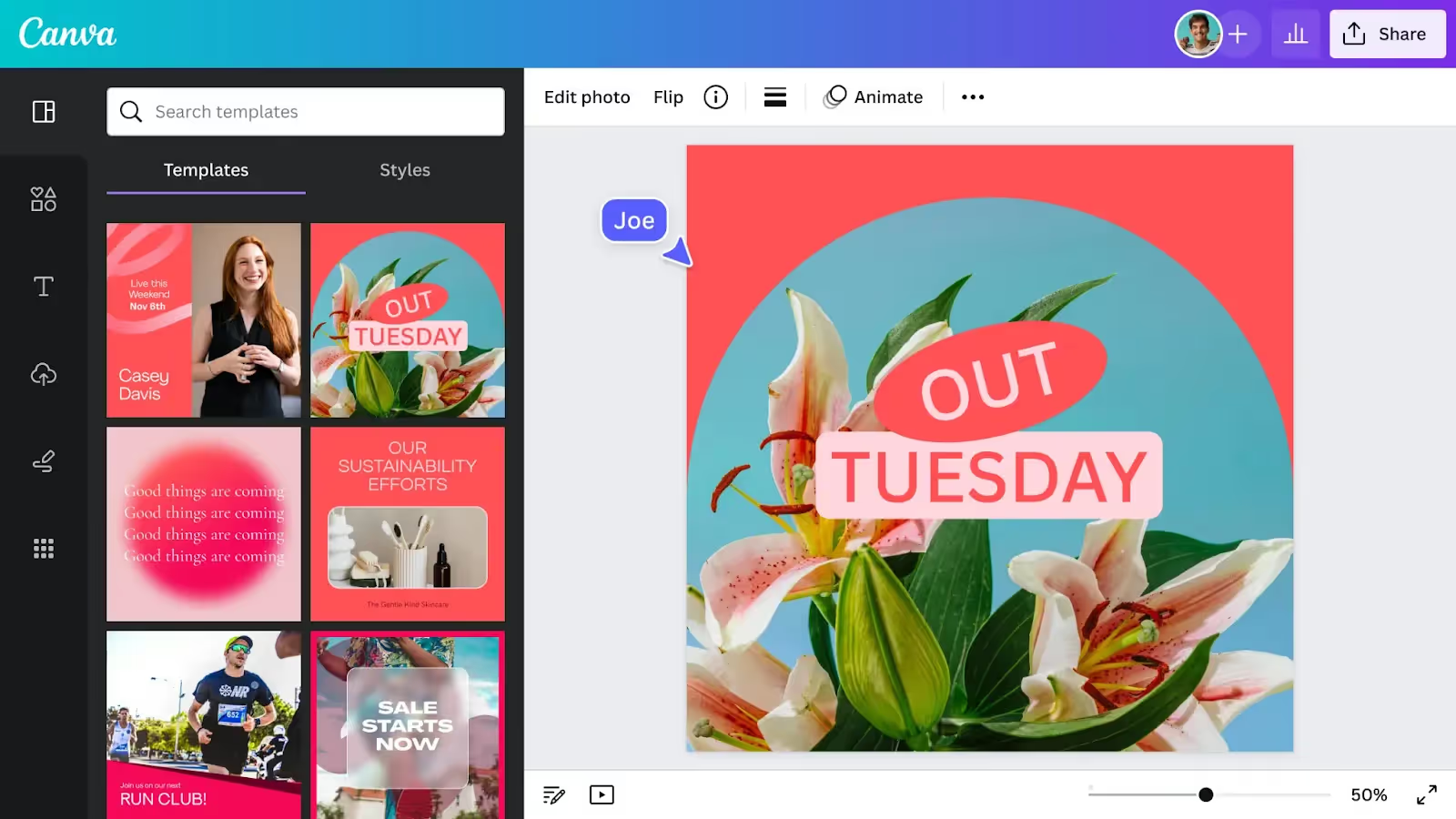
While Canva has long been a go-to for easy graphic design, its AI capabilities have significantly expanded:
Хотя Canva давно стал излюбленным инструментом для простого графического дизайна, его возможности на основе ИИ значительно расширились:
Сгенерированные ИИ дизайны: введите описание, и ИИ создаст несколько вариантов дизайна.Умное изменение размера: автоматически меняет размер дизайнов под разные платформы, сохраняя качество.Подсказки цветовых палитр: предлагает гармоничные цветовые палитры на основе ваших первоначальных дизайнерских решений.Генерация изображений из текста: создаёт пользовательские изображения на основе текстовых описаний.
How to use: Available through the Canva website and mobile app with a free tier.
Как пользоваться: доступен через веб-сайт и мобильное приложение Canva с бесплатным тарифом.
What Are the Key Technologies That Power AI Helpers?
Какие ключевые технологии лежат в основе ИИ-помощников?
AI helpers are primarily powered by Large Language Models (LLMs) and neural networks, which leverage Natural Language Processing (NLP) algorithms, knowledge bases, and machine learning techniques to understand and generate human-like responses, often enhanced by speech recognition, computer vision, and API integrations for expanded capabilities.
ИИ-помощники работают в первую очередь на основе больших языковых моделей (LLM) и нейронных сетей, которые задействуют алгоритмы обработки естественного языка (NLP), базы знаний и методы машинного обучения для понимания и генерации человекоподобных ответов, нередко дополняемые распознаванием речи, компьютерным зрением и интеграциями через API для расширения возможностей.
Computer Vision Algorithms
Алгоритмы компьютерного зрения
WaveNet, Deep Speech; Enable voice interactions with AI assistants like Siri or AlexaComputer Vision AlgorithmsTechniques for processing and understanding visual information
WaveNet, Deep Speech; обеспечивают голосовое взаимодействие с ИИ-ассистентами вроде Siri или AlexaАлгоритмы компьютерного зренияМетоды обработки и понимания визуальной информации
YOLO, ResNet; Allow AI helpers to analyze images or perform visual searches
YOLO, ResNet; позволяют ИИ-помощникам анализировать изображения или выполнять визуальный поиск