Is Web Scraping Legal? 2026 Guide to Ethical Scraping - The GTM with Clay Blog
Статья разбирает правовой статус веб-скрейпинга в США на 2026 год: формально он не запрещён федеральным законодательством, однако легальность зависит от типа собираемых данных, способа доступа и соблюдения применимых законов. Скрейпинг публичных данных (доступных без авторизации) в целом безопасен, тогда как сбор персональных данных (PII) жителей ЕС и Калифорнии может нарушить GDPR или CCPA. Нарушение условий использования сайта (ToS), принятых при регистрации, создаёт риск преследования по закону CFAA. Авторы рекомендуют пять этических практик — не собирать защищённый контент, проверять ToS, не перегружать серверы — и предлагают использовать специализированный инструмент Clay с AI-агентом Claygent и каскадным обогащением данных вместо ручных Python-скриптов.
Claygent Builder: The easiest way to build, test, and deploy GTM Agents
Claygent Builder: самый простой способ создавать, тестировать и развёртывать GTM-агентов
Build production-ready Claygents in natural language with Sculptor. Test on real data for free, track versions, and deploy once across every workflow. All inside Clay.
Создавайте готовых к продакшену Claygent-агентов на естественном языке с помощью Sculptor. Тестируйте на реальных данных бесплатно, отслеживайте версии и разворачивайте один раз для всех рабочих процессов. Всё внутри Clay.
How Clay Uses Clay Ads: From $250 to $25 CPL
Как Clay использует Clay Ads: с $250 до $25 за лид
See how Clay uses its own Ads feature to cut LinkedIn CPL from $250 to $25 and unlock Meta with enriched CRM audiences. No manual uploads needed.
Узнайте, как Clay использует собственную рекламную функцию, чтобы снизить CPL в LinkedIn с $250 до $25 и подключить Meta с обогащёнными CRM-аудиториями. Без ручной загрузки данных.
HG Insights Corporate Hierarchy: GTM Precision in Clay
Корпоративная иерархия HG Insights: точность GTM в Clay
Use HG Insights corporate hierarchy data in Clay to clean CRMs, map parent-child accounts, and trigger expansion plays. See how it works.
Используйте данные корпоративной иерархии HG Insights в Clay, чтобы очищать CRM, выстраивать связи между материнскими и дочерними аккаунтами и запускать сценарии расширения. Узнайте, как это работает.
Sales GTM Engineering: How Clay Built the Role From Scratch
Sales GTM Engineering: как Clay создала эту роль с нуля
Learn what sales GTM engineering is, how it collapses SDR, AE, and SE roles into one, and how Clay built and hires for this high-leverage function. See how it works.
Узнайте, что такое sales GTM engineering, как эта роль объединяет функции SDR, AE и SE в одну, и как Clay создала и нанимает специалистов для этой высокоэффективной позиции. Узнайте, как это работает.
How to Automate Inbound Lead Outreach: The Clay Playbook
Как автоматизировать аутрич входящих лидов: плейбук Clay
Learn how to automate inbound lead outreach with enrichment, scoring, and personalized sequences. See the exact Clay workflow that runs without manual work.
Узнайте, как автоматизировать аутрич входящих лидов с помощью обогащения, скоринга и персонализированных цепочек писем. Посмотрите точный рабочий процесс Clay, который работает без ручного труда.
demandDrive Joins Clay’s Partner Ecosystem as an Official Clay Studio Partner
demandDrive присоединяется к партнёрской экосистеме Clay как официальный партнёр Clay Studio
demandDrive joins Clay’s partner ecosystem to help B2B teams turn account intelligence into pipeline and revenue with GTM engineering and automation.
demandDrive присоединяется к партнёрской экосистеме Clay, чтобы помогать B2B-командам превращать аналитику по аккаунтам в пайплайн и выручку с помощью GTM-инжиниринга и автоматизации.
B2B Sales Prospecting: 15 Strategies to Drive More Conversions
B2B-проспектинг в продажах: 15 стратегий для увеличения конверсий
Master B2B sales prospecting with 15 proven strategies covering ICP building, multi-channel outreach, and list hygiene. Build a pipeline that converts.
Освойте B2B-проспектинг с 15 проверенными стратегиями, охватывающими построение ICP, мультиканальный аутрич и гигиену списков. Постройте пайплайн, который конвертирует.
AI Sales Assistants: 11 Ways to Accelerate Your Outbound
AI-ассистенты для продаж: 11 способов ускорить исходящий аутрич
Discover 11 ways AI sales assistants automate lead research, enrichment, and email personalization. See how top B2B teams use them to accelerate outbound.
Откройте для себя 11 способов, которыми AI-ассистенты для продаж автоматизируют исследование лидов, обогащение и персонализацию писем. Узнайте, как лучшие B2B-команды используют их для ускорения аутбаунда.
The Three Laws of GTM: How to Win in the AI Era
Три закона GTM: как побеждать в эпоху AI
The three laws of GTM explain why uniqueness, saturation, and iteration speed determine who wins. Learn how AI changes the rules and what to do about it.
Три закона GTM объясняют, почему уникальность, насыщенность и скорость итераций определяют победителя. Узнайте, как AI меняет правила и что с этим делать.
Best Work Email Finders by Segment: SMB vs. Enterprise
Лучшие инструменты поиска рабочих email по сегментам: SMB vs. Enterprise
We tested 12 email finders across 4,700+ contacts to find the best work emails by segment. See accuracy, cost, and coverage winners for SMB and enterprise.
Мы протестировали 12 инструментов поиска email на 4 700+ контактах, чтобы найти лучшие рабочие адреса по сегментам. Смотрите результаты по точности, стоимости и покрытию для SMB и enterprise.
How Clay Converts Trial Users Into Customers With Automated Outreach
Как Clay конвертирует пробных пользователей в клиентов с помощью автоматизированного аутрича
See how Clay uses automated outreach to convert trial users into customers, with enrichment, lead scoring, and personalized HubSpot campaigns. Learn how.
Узнайте, как Clay использует автоматизированный аутрич для конвертации пробных пользователей в клиентов — с обогащением, скорингом лидов и персонализированными кампаниями в HubSpot.
Best Mobile Phone Data Providers for B2B Sales Teams
Лучшие поставщики данных мобильных телефонов для B2B-команд продаж
We tested 9,806 numbers across 10 B2B mobile phone data providers. See which wins on accuracy, coverage, and cost for NAMER, EMEA, and APAC.
Мы протестировали 9 806 номеров у 10 поставщиков данных мобильных телефонов для B2B. Узнайте, кто лидирует по точности, покрытию и стоимости для регионов NAMER, EMEA и APAC.
How to Build a Complete AI Outbound Sales Funnel
Как построить полноценную AI-воронку исходящих продаж
Learn how to build a complete AI outbound sales funnel—from account scoring to personalized outreach—using Clay waterfalls and automation. See how it works.
Узнайте, как построить полноценную AI-воронку исходящих продаж — от скоринга аккаунтов до персонализированного аутрича — используя каскадное обогащение и автоматизацию Clay. Узнайте, как это работает.
How to Get More Customers Using Outbound Sales: A Complete Guide
Как привлечь больше клиентов с помощью исходящих продаж: полное руководство
Learn how outbound sales works, who it's right for, and how to build a strategy from prospecting to closing. Covers cold calling, email, and more.
Узнайте, как работают исходящие продажи, кому они подходят и как выстроить стратегию от проспектинга до закрытия сделки. Охватывает холодные звонки, email и многое другое.
How to Automate 6 Cold Email Campaigns in One Clay Workflow
Как автоматизировать 6 кампаний холодных писем в одном рабочем процессе Clay
Learn how to automate 6 cold email campaigns from a single Clay table — with enrichment, AI classification, and deduplication built in. See how it works.
Узнайте, как автоматизировать 6 кампаний холодных писем из одной таблицы Clay — с обогащением, AI-классификацией и дедупликацией. Узнайте, как это работает.
How Clay Identifies Tier 1 Accounts: A Three-Score System
Как Clay определяет аккаунты первого уровня: система из трёх оценок
See how Clay identifies tier 1 accounts using a three-score system: fit, engagement, and contract value. Learn how sales and marketing align on the same priorities.
Узнайте, как Clay определяет аккаунты первого уровня с помощью системы из трёх оценок: соответствие, вовлечённость и стоимость контракта. Узнайте, как продажи и маркетинг работают с едиными приоритетами.
Lead Scoring in Clay: A Step-by-Step Formula Guide
Скоринг лидов в Clay: пошаговое руководство по формулам
Learn how to build lead scoring formulas in Clay to prioritize your ICP leads by employee count, job postings, and more. See how it works.
Узнайте, как создавать формулы скоринга лидов в Clay для приоритизации лидов по ICP — по количеству сотрудников, вакансиям и другим параметрам. Узнайте, как это работает.
How to Validate Cold Outbound Offers and Find Message-Market Fit
Как валидировать офферы для холодного аутбаунда и найти message-market fit
Learn how to validate cold outbound offers by finding message-market fit — from breaking down your value prop to testing with a phased email approach. See how it works.
Узнайте, как валидировать офферы для холодного аутбаунда, находя message-market fit — от декомпозиции ценностного предложения до тестирования поэтапным подходом к email. Узнайте, как это работает.
Troubleshooting Outbound Sales and Prospecting: A Comprehensive Guide
Диагностика исходящих продаж и проспектинга: полное руководство
Fix broken outbound sales campaigns with this guide. Diagnose open and reply rates, reduce no-shows, qualify prospects with MEDDIC, and optimize what's working.
Исправьте проблемы в кампаниях исходящих продаж с помощью этого руководства. Диагностируйте показатели открытий и ответов, сокращайте неявки, квалифицируйте лидов по MEDDIC и оптимизируйте работающие подходы.
Bulk Enrichment: Enrich Millions of CRM Records in Clay
Массовое обогащение: обогатите миллионы записей CRM в Clay
Bulk enrichment lets Enterprise teams enrich millions of Salesforce records with firmographics, tech stack, and AI research — then write results back automatically.
Массовое обогащение позволяет Enterprise-командам обогащать миллионы записей Salesforce фирмографикой, технологическим стеком и AI-исследованиями — а затем автоматически записывать результаты обратно.
Clay Templates: Automate, Customize, and Replicate Any GTM Workflow
Шаблоны Clay: автоматизируйте, настраивайте и тиражируйте любой GTM-процесс
Clay Templates let you replicate full GTM workflows in hours, not days. Automate prospecting from data scraping to AI messaging, free and fully customizable.
Шаблоны Clay позволяют тиражировать полноценные GTM-процессы за часы, а не за дни. Автоматизируйте проспектинг — от сбора данных до AI-сообщений — бесплатно и с полной настройкой.
How to Optimize Your Credit Usage in Clay
Как оптимизировать расход кредитов в Clay
Learn how to optimize your credit usage in Clay with conditional formulas, Clearbit waterfall lookups, and smarter enrichment workflows. Save credits fast.
Узнайте, как оптимизировать расход кредитов в Clay с помощью условных формул, каскадных поисков Clearbit и более разумных процессов обогащения. Экономьте кредиты быстро.
AI for sales prospecting
AI для проспектинга в продажах
Learn about how to use AI for sales prospecting in this comprehensive guide, including framework for creating AI prompts and examples of cold email templates using AI that real sales teams have used successfully to land clients. AI sales prospecting can save your team thousands of hours—and double or triple your positive response rates.
Узнайте, как использовать AI для проспектинга в продажах, из этого подробного руководства — включая фреймворк для создания AI-промптов и примеры шаблонов холодных писем с AI, которые реальные команды продаж успешно использовали для привлечения клиентов. AI-проспектинг может сэкономить вашей команде тысячи часов и удвоить или утроить долю положительных ответов.
The Reverse Demo: How Clay Replaced Traditional B2B Sales Demos
Обратное демо: как Clay заменила традиционные B2B-демонстрации
A reverse demo lets prospects solve real problems live, guided by your rep. Learn how Clay used 100+ sessions to boost conversion, retention, and product quality.
Обратное демо позволяет потенциальным клиентам решать реальные задачи в реальном времени под руководством вашего менеджера. Узнайте, как Clay провела 100+ сессий для повышения конверсии, удержания и качества продукта.
Data Waterfalls: How to Maximize Contact Coverage with Clay
Каскадное обогащение данных: как максимизировать покрытие контактов с Clay
Data waterfalls query multiple providers in sequence so you only pay for matches. See how Clay pushes coverage from 30% to 80%+ without annual contracts.
Каскадное обогащение последовательно запрашивает нескольких поставщиков, чтобы вы платили только за совпадения. Узнайте, как Clay увеличивает покрытие с 30% до 80%+ без годовых контрактов.
How Clay Runs ABM Campaigns: A Step-by-Step Playbook
Как Clay проводит ABM-кампании: пошаговый плейбук
See how Clay runs ABM campaigns — scoring 300 accounts, personalizing mailers and landing pages, and automating SDR follow-up. Learn how.
Узнайте, как Clay проводит ABM-кампании — скоринг 300 аккаунтов, персонализация рассылок и лендингов, автоматизация follow-up SDR.
How We Built Clay's GTM Engineering Function
Как мы построили функцию GTM-инжиниринга в Clay
See how Clay built its GTM engineering function with sprint-based delivery, founder-level reporting, and full sales automation. A practical inside look.
Узнайте, как Clay построила функцию GTM-инжиниринга со спринтовой доставкой, отчётностью на уровне основателей и полной автоматизацией продаж. Практический взгляд изнутри.
Best Personal Email Finder Tools: Tested and Ranked
Лучшие инструменты поиска личных email: тестирование и рейтинг
We tested 5 personal email finder tools across 2,354 prospects. See accuracy, coverage, and pricing data — plus the waterfall order that hit 79% coverage.
Мы протестировали 5 инструментов поиска личных email на 2 354 проспектах. Смотрите данные по точности, покрытию и ценам — плюс каскадный порядок, который достиг 79% покрытия.
How to Use OpenAI to Write Cold Emails from Scratch with Clay
Как использовать OpenAI для написания холодных писем с нуля в Clay
Learn how to use OpenAI to write personalized cold emails at scale with Clay. Set up the integration, craft better prompts, and boost deliverability.
Узнайте, как использовать OpenAI для написания персонализированных холодных писем в масштабе с Clay. Настройте интеграцию, улучшите промпты и повысьте доставляемость.
How to Run a Personalized Demo Play at Scale with Clay
Как запустить персонализированное демо в масштабе с Clay
Learn how to automate a personalized demo play using Clay, Claygent, and AI enrichment to build custom mockups at scale. See how it works.
Узнайте, как автоматизировать персонализированное демо с помощью Clay, Claygent и AI-обогащения для создания кастомных макетов в масштабе. Узнайте, как это работает.
Automated Slide Deck Creation: How Clay Builds QBRs from Your Data
Автоматическое создание слайд-презентаций: как Clay формирует QBR из ваших данных
Clay's automated slide deck creation pulls from Snowflake, Salesforce, and Gong to build QBRs in minutes. Save 90+ hours per quarter. See how it works.
Автоматическое создание слайд-презентаций Clay извлекает данные из Snowflake, Salesforce и Gong для формирования QBR за минуты. Экономьте 90+ часов в квартал. Узнайте, как это работает.
HG Insights + Clay: B2B Technographic and Firmographic Data
HG Insights + Clay: технографические и фирмографические B2B-данные
HG Insights surfaces deep technographic and firmographic data from billions of documents. Use it in Clay workflows to enrich accounts and power GTM. See how it works.
HG Insights извлекает глубокие технографические и фирмографические данные из миллиардов документов. Используйте их в рабочих процессах Clay для обогащения аккаунтов и поддержки GTM. Узнайте, как это работает.
B2B Cold Email Deliverability: 21 Best Practices
Доставляемость холодных B2B-писем: 21 лучшая практика
Master B2B cold email deliverability with 21 proven best practices: domain setup, inbox warmup, authentication, and copy tips that keep you out of spam. Learn how.
Освойте доставляемость холодных B2B-писем с 21 проверенной практикой: настройка домена, прогрев инбокса, аутентификация и советы по тексту, которые уберегут вас от спама.
Basics of Google Search Operators: A Practical Guide
Основы операторов поиска Google: практическое руководство
Learn the basics of Google Search Operators and how to use them in Clay for prospecting, list building, and company research. See how it works.
Изучите основы операторов поиска Google и узнайте, как использовать их в Clay для проспектинга, построения списков и исследования компаний. Узнайте, как это работает.
AI Lead Generation: The Complete B2B Guide
AI-генерация лидов: полное руководство для B2B
Learn how AI lead generation automates list building, enrichment, and personalized outreach for B2B teams. Scale your pipeline without scaling headcount. See how it works.
Узнайте, как AI-генерация лидов автоматизирует построение списков, обогащение и персонализированный аутрич для B2B-команд. Масштабируйте пайплайн без увеличения штата. Узнайте, как это работает.
Clay MCP: Ops-built workflows, consumable by reps
Clay MCP: рабочие процессы, созданные Ops-командой и доступные менеджерам
Clay MCP: Ops-built workflows, consumable by reps
Clay MCP: рабочие процессы, созданные Ops-командой и доступные менеджерам
How to Manage and Enrich Inbound Leads Automatically
Как автоматически управлять входящими лидами и обогащать их
Learn how to manage and enrich inbound leads automatically using a four-phase workflow that scores, segments, and triggers outreach from one email. See how it works.
Узнайте, как автоматически управлять входящими лидами и обогащать их с помощью четырёхфазного рабочего процесса, который оценивает, сегментирует и запускает аутрич из одного письма. Узнайте, как это работает.
GTM Alpha: How Winning Teams Build a Competitive Edge
GTM Alpha: как успешные команды строят конкурентное преимущество
GTM alpha is the edge winning teams build with unique data and signal-based plays. Learn how to find hidden signals, run better plays, and outpace competitors.
GTM alpha — это преимущество, которое успешные команды строят на уникальных данных и сигнальных сценариях. Узнайте, как находить скрытые сигналы, запускать лучшие сценарии и опережать конкурентов.
Why Good CRM Data Matters and How Clay Helps
Почему качественные данные в CRM важны и как Clay помогает
Poor CRM data kills outreach. Learn why CRM data coverage fails and how Clay's waterfall enrichment lifts coverage rates from 20% to 80%. See how it works.
Плохие данные в CRM убивают аутрич. Узнайте, почему покрытие данных CRM проседает и как каскадное обогащение Clay поднимает покрытие с 20% до 80%. Узнайте, как это работает.
How to Use Formulas in Clay: AI Generator and Manual Entry
Как использовать формулы в Clay: AI-генератор и ручной ввод
Learn how to use formulas in Clay with the AI Formula Generator or manual entry. Transform and clean your data faster. See how it works.
Узнайте, как использовать формулы в Clay с помощью AI-генератора формул или ручного ввода. Трансформируйте и очищайте данные быстрее. Узнайте, как это работает.
GTM Engineering: What It Is, How It Works, and How to Hire
GTM-инжиниринг: что это, как работает и как нанять специалиста
GTM engineering turns ops teams into revenue builders using AI and automation. Learn what GTM engineers do, how to structure the role, and how to hire one.
GTM-инжиниринг превращает Ops-команды в строителей выручки с помощью AI и автоматизации. Узнайте, чем занимаются GTM-инженеры, как структурировать роль и как нанять специалиста.
Formulas in Clay: A Beginner's Intro for Non-Engineers
Формулы в Clay: вводное руководство для неинженеров
Learn how to use formulas in Clay without coding. This intro covers conditional statements, combining columns, and auto-qualifying leads. Start in 30 minutes.
Узнайте, как использовать формулы в Clay без кода. Это руководство охватывает условные операторы, объединение столбцов и автоквалификацию лидов. Начните за 30 минут.
How Clay Uses Clay for SEO and AEO: 3 Systems That Scale
Как Clay использует Clay для SEO и AEO: 3 масштабируемые системы
See how Clay uses Clay for SEO and AEO: automated content refresh, video-to-page conversion, and a custom AI visibility dashboard. Learn how.
Узнайте, как Clay использует Clay для SEO и AEO: автоматическое обновление контента, конвертация видео в страницы и кастомный дашборд видимости AI.
Turn Web Visitors into Leads: A Warm Outbound Play for B2B Sales
Превратите посетителей сайта в лиды: стратегия тёплого аутбаунда для B2B-продаж
Learn how to turn web visitors into leads using a warm outbound play for B2B sales — with RB2B, Clay, and Lemlist. See how it works.
Узнайте, как превращать посетителей сайта в лиды с помощью стратегии тёплого аутбаунда для B2B-продаж — с RB2B, Clay и Lemlist. Узнайте, как это работает.
How to Use Web Scraping to Enrich Your Data with Clay
Как использовать веб-скрейпинг для обогащения данных с Clay
Learn how to use web scraping to enrich your data without code. Clay's Claygent answers deep GTM research questions at scale. See how it works.
Узнайте, как использовать веб-скрейпинг для обогащения данных без кода. Claygent от Clay отвечает на сложные вопросы GTM-исследований в масштабе. Узнайте, как это работает.
How to Create a Sales Prospect List in Minutes
Как создать список проспектов для продаж за минуты
Learn how to create your own sales prospect list in minutes using Clay. Pull from 40+ sources, enrich with ICP data, and export to your CRM. See how it works.
Узнайте, как создать собственный список проспектов за минуты с помощью Clay. Извлекайте данные из 40+ источников, обогащайте по ICP и экспортируйте в CRM. Узнайте, как это работает.
Best B2B Email List Providers: Tested and Ranked (2026)
Лучшие поставщики B2B email-списков: тестирование и рейтинг (2026)
We tested 8 B2B email list providers head-to-head. See accuracy results, per-email pricing, and how to waterfall providers for maximum coverage.
Мы протестировали 8 поставщиков B2B email-списков в прямом сравнении. Смотрите результаты по точности, стоимости за email и как каскадно комбинировать поставщиков для максимального покрытия.
Outbound Sales Automation: How to 10x Pipeline Without More SDRs
Автоматизация исходящих продаж: как увеличить пайплайн в 10 раз без новых SDR
Learn how outbound sales automation replaces manual SDR work, cuts cost per email by 100x, and scales pipeline without growing headcount. See how it works.
Узнайте, как автоматизация исходящих продаж заменяет ручную работу SDR, снижает стоимость отправки email в 100 раз и масштабирует пайплайн без увеличения штата. Узнайте, как это работает.
The Wake the Dead Play: Reactivate Closed-Lost Deals with Clay
Стратегия «Воскреси мёртвых»: реактивация проигранных сделок с Clay
The wake the dead play uses Clay + ChatGPT to send automated, personalized emails to closed-lost prospects. Restart stalled deals in a few steps. Learn how.
Стратегия «Воскреси мёртвых» использует Clay + ChatGPT для автоматической отправки персонализированных писем проспектам по проигранным сделкам. Перезапустите застопорившиеся сделки за несколько шагов.
Three Tips to Guarantee Email Deliverability for Cold Outbound
Три совета для гарантированной доставляемости писем в холодном аутбаунде
Split volume, verify contacts, and personalize copy to guarantee email deliverability for cold outbound. Three actionable tips that keep you out of spam.
Разделяйте объёмы, верифицируйте контакты и персонализируйте текст, чтобы гарантировать доставляемость писем в холодном аутбаунде. Три практичных совета, которые уберегут от спама.
How Clay Uses Clay for Customer Support: 3 Real Workflows
Как Clay использует Clay для поддержки клиентов: 3 реальных рабочих процесса
See how Clay's customer support team uses Clay to enrich Intercom tickets, automate QA, and draft help articles. Real workflows, real results.
Узнайте, как служба поддержки Clay использует Clay для обогащения тикетов Intercom, автоматизации QA и подготовки справочных статей. Реальные процессы, реальные результаты.
B2B Cold Email Copywriting: The Complete Guide
Копирайтинг холодных B2B-писем: полное руководство
Master B2B cold email copywriting with proven templates, a research framework, and a checklist used to send 800k+ emails a month. Start writing emails that get replies.
Освойте копирайтинг холодных B2B-писем с проверенными шаблонами, фреймворком исследования и чек-листом, используемым для отправки 800 000+ писем в месяц. Начните писать письма, которые получают ответы.
Introducing Clay Functions
Представляем Clay Functions
Build Your GTM Logic Once, Apply It Everywhere
Создайте GTM-логику один раз — применяйте везде
Clay and Apollo Integration: Enrichment, Sequencing, and More
Интеграция Clay и Apollo: обогащение, секвенсинг и многое другое
The Clay and Apollo integration unlocks 5X faster enrichment and direct sequencer API access. See how joint customers go from data to booked meetings.
Интеграция Clay и Apollo обеспечивает 5-кратное ускорение обогащения и прямой доступ к API секвенсера. Узнайте, как совместные клиенты переходят от данных к забронированным встречам.
The Many Lives of Spreadsheets: A History and What Comes Next
Множество жизней электронных таблиц: история и что будет дальше
Explore the many lives of spreadsheets — from VisiCalc in 1979 to self-filling automation tools today. See how the no-code vision keeps evolving.
Исследуйте множество жизней электронных таблиц — от VisiCalc в 1979 году до современных инструментов автозаполнения. Узнайте, как концепция no-code продолжает эволюционировать.
AI recruiting strategies
Стратегии AI-рекрутинга
Learn our top AI recruiting workflows to help you identify, research, and reach out to qualified candidates for open roles. AI can eliminate manual work and help you reach out to—and land—better employees for your clients.
Узнайте о наших лучших AI-рабочих процессах для рекрутинга, которые помогут вам находить, исследовать и связываться с квалифицированными кандидатами на открытые позиции. AI может устранить ручную работу и помочь вам привлекать — и нанимать — лучших сотрудников для ваших клиентов.
How to Hire a GTM Engineer: The Complete Guide
Как нанять GTM-инженера: полное руководство
Learn how to hire a GTM engineer: when to make the hire, what skills to screen for, red flags to avoid, and where to find the best candidates. See how it works.
Узнайте, как нанять GTM-инженера: когда делать наём, какие навыки проверять, каких тревожных сигналов избегать и где искать лучших кандидатов. Узнайте, как это работает.
Inside Clay's GTM Engineering Lab: Plays, Principles, and Automation
Внутри GTM-инжиниринговой лаборатории Clay: сценарии, принципы и автоматизация
See how Clay's GTM engineering lab turns internal problems into revenue plays using AI, automation, and data-driven principles. Learn how it works.
Узнайте, как GTM-инжиниринговая лаборатория Clay превращает внутренние проблемы в сценарии для генерации выручки с помощью AI, автоматизации и принципов, основанных на данных.
How to Build the Most Targeted Account Lists Possible
Как создать максимально таргетированные списки аккаунтов
Generic tools leave bad-fit companies in your account list. Learn how to build targeted account lists using AI enrichment and real workflow examples in Clay.
Универсальные инструменты оставляют в списке неподходящие компании. Узнайте, как строить таргетированные списки аккаунтов с помощью AI-обогащения и реальных примеров рабочих процессов в Clay.
Personalized Direct Mail at Scale: The Gifting Play with Clay
Персонализированная почтовая рассылка в масштабе: стратегия подарков с Clay
Learn how to run personalized direct mail campaigns using Clay — validate contacts, generate AI gift copy, and export to email. See how it works.
Узнайте, как проводить персонализированные кампании прямой почтовой рассылки с помощью Clay — верифицируйте контакты, генерируйте AI-тексты для подарков и экспортируйте в email. Узнайте, как это работает.
How to Set Up Your Full Inbound Sales Process on Clay
Как настроить полноценный процесс входящих продаж в Clay
Learn how to set up your full inbound sales process on Clay — enrich leads, tag MQLs, and automate email campaigns from form to demo. See how it works.
Узнайте, как настроить полноценный процесс входящих продаж в Clay — обогащайте лиды, присваивайте метки MQL и автоматизируйте email-кампании от формы до демо. Узнайте, как это работает.
AI-Enabled GTM for Private Equity: The Value Creation Playbook
GTM на базе AI для частного капитала: плейбук создания стоимости
Learn how AI-enabled GTM for private equity drives value creation across portfolios—from data quality to agentic workflows. See how it works.
Узнайте, как GTM на базе AI для частного капитала стимулирует создание стоимости по портфелям — от качества данных до агентных рабочих процессов. Узнайте, как это работает.
Do More With Your Data: Clay's Post-Data-Provider Approach
Делайте больше с данными: пост-провайдерный подход Clay
Clay's post-data-provider approach combines 150+ providers, waterfall enrichment, and AI scraping to maximize data coverage. See how it works.
Пост-провайдерный подход Clay объединяет 150+ поставщиков, каскадное обогащение и AI-скрейпинг для максимального покрытия данных. Узнайте, как это работает.
Google Maps Lead Generation for Niche Local Businesses
Генерация лидов через Google Maps для нишевого локального бизнеса
Learn how to use Google Maps lead generation to find niche local businesses, enrich owner contacts, and send personalized outreach at scale with Clay.
Узнайте, как использовать Google Maps для генерации лидов — находите нишевый локальный бизнес, обогащайте контакты владельцев и отправляйте персонализированный аутрич в масштабе с Clay.
24 AI Email Personalization Examples for Cold Outreach (With Prompts)
24 примера AI-персонализации писем для холодного аутрича (с промптами)
Get 24 AI email personalization examples for cold outreach, with ChatGPT prompts you can run at scale in Clay. Learn how to write emails that actually convert.
Получите 24 примера AI-персонализации писем для холодного аутрича с промптами ChatGPT, которые можно запускать в масштабе в Clay. Узнайте, как писать письма, которые действительно конвертируют.
How to Ace Your Follow-Ups: A Practical Sales Guide
Как улучшить follow-up: практическое руководство для продаж
Learn how to ace your follow-ups with value-driven outreach, personalization tips, multi-channel tactics, and automation tools that keep deals moving. See how it works.
Узнайте, как улучшить follow-up с помощью ценностного аутрича, советов по персонализации, мультиканальных тактик и инструментов автоматизации, которые продвигают сделки. Узнайте, как это работает.
How to Prioritize Your Waitlist with Lead Enrichment
Как приоритизировать список ожидания с помощью обогащения лидов
Learn how to prioritize your waitlist using lead enrichment. Turn raw signups into qualified leads by company, title, and role — no long forms needed. See how.
Узнайте, как приоритизировать список ожидания с помощью обогащения лидов. Превращайте необработанные заявки в квалифицированных лидов по компании, должности и роли — без длинных форм. Узнайте, как это сделать.
B2B Cold Email Templates: Frameworks That Get Replies
Шаблоны холодных B2B-писем: фреймворки, которые получают ответы
Learn how to write B2B cold email templates that convert with a proven 5-part framework, follow-up strategy, and real examples. See how it works.
Узнайте, как писать шаблоны холодных B2B-писем, которые конвертируют, с проверенным фреймворком из 5 частей, стратегией follow-up и реальными примерами. Узнайте, как это работает.
Audiences: now in Enterprise beta
Audiences: теперь в Enterprise-бете
Clay Audiences unifies your CRM, product data, and intent signals into one layer — so reps and agents can run precise, personalized GTM plays at scale.
Clay Audiences объединяет данные CRM, продукта и сигналы намерений в единый слой — чтобы менеджеры и агенты могли запускать точные персонализированные GTM-сценарии в масштабе.
The thinking behind our new pricing: our internal memo
Логика нашего нового ценообразования: внутренний меморандум
Clay pricing memo: INTERNAL
Меморандум по ценообразованию Clay: ВНУТРЕННИЙ
Introducing Clay’s new pricing
Представляем новое ценообразование Clay
Today, we’re launching a pricing update that reduces data costs, and simplifies and improves the value of our plans. Our goal is to have Clay be your default tool for GTM Engineering.
Сегодня мы запускаем обновление тарифов, которое снижает стоимость данных, упрощает и повышает ценность наших планов. Наша цель — сделать Clay вашим основным инструментом для GTM-инжиниринга.
Clay partners with Lusha and Beauhurst to expand European data coverage
Clay заключает партнёрство с Lusha и Beauhurst для расширения покрытия данных по Европе
Lusha adds lookalike prospecting, contact enrichment, and signals in EMEA. Beauhurst adds private funding and corporate structure data in the UK and Germany.
Lusha добавляет поиск похожих аудиторий, обогащение контактов и сигналы в EMEA. Beauhurst добавляет данные о частном финансировании и корпоративной структуре в Великобритании и Германии.
Source your precise TAM from lookalikes you can trust with Ocean.io and Clay
Найдите свой точный TAM по аналогам, которым можно доверять, с Ocean.io и Clay
Clay + Ocean now enable preview-based B2B lookalike discovery. Preview leads before committing credits and expand your TAM with greater precision.
Clay + Ocean теперь позволяют находить B2B-аналоги с предварительным просмотром. Просматривайте лидов перед списанием кредитов и расширяйте TAM с большей точностью.
Clay doubles down on supporting European GTM teams
Clay усиливает поддержку европейских GTM-команд
Clay's waterfall enrichment delivers 2–3x more mobile phone coverage than leading solo providers across Europe. Plus new data partnerships, a London office, and timezone-aligned support.
Каскадное обогащение Clay обеспечивает в 2–3 раза больше покрытия мобильных телефонов, чем ведущие одиночные провайдеры по Европе. Плюс новые партнёрства по данным, офис в Лондоне и поддержка в европейских часовых поясах.
In Nigeria, she built a life where money wouldn’t decide
В Нигерии она построила жизнь, в которой деньги не решают
Clay blog | In Nigeria, she built a life where money wouldn’t decide
Блог Clay | В Нигерии она построила жизнь, в которой деньги не решают
Sculptor Analyst Mode: Turning Context-Rich Data Into Actionable GTM Insights
Аналитический режим Sculptor: превращение данных с богатым контекстом в практические GTM-инсайты
Gather business intelligence and share documents of this analysis directly from Sculptor
Собирайте бизнес-аналитику и делитесь документами анализа прямо из Sculptor
In a place where girls often choose between career or marriage, she carved her own path
Там, где девушки часто выбирают между карьерой и замужеством, она проложила свой путь
Javeria Shah won the Clay Cup 2025 despite being denied a US visa and competing remotely from Pakistan. Learn how she transitioned from electronics engineering into GTM engineering and built her own business.
Javeria Shah выиграла Clay Cup 2025, несмотря на отказ в американской визе и удалённое участие из Пакистана. Узнайте, как она перешла из электронной инженерии в GTM-инжиниринг и построила собственный бизнес.
How we designed Sculpt
Как мы разработали дизайн Sculpt
Our first conference, Sculpt, is where the analog soul of Clay met the digital mind of Clay.
Наша первая конференция Sculpt — место, где аналоговая душа Clay встретилась с цифровым разумом Clay.
Clay announces second employee tender offer in nine months at a $5B valuation
Clay объявляет о втором тендерном предложении для сотрудников за девять месяцев при оценке $5 млрд
A rare repeat employee liquidity event, designed to give builders flexibility as Clay accelerates
Редкое повторное предоставление ликвидности сотрудникам, призванное дать строителям гибкость по мере ускорения Clay
Clay is now available as a connector in Claude
Clay теперь доступен как коннектор в Claude
Bring Clay's contact databases, enrichment providers, and AI agents into your Claude workflow.
Подключайте базы контактов Clay, провайдеров обогащения и AI-агентов к вашему рабочему процессу в Claude.
Sellers have a new AI edge: Clay in ChatGPT
У продавцов новое AI-преимущество: Clay в ChatGPT
Use Clay directly in ChatGPT to find the right buyers, research people and companies, and draft personalized outbound. One conversation, powered by live GTM data.
Используйте Clay прямо в ChatGPT, чтобы находить нужных покупателей, исследовать людей и компании и составлять персонализированный аутбаунд. Один диалог на основе актуальных GTM-данных.
Clay reaches $100M ARR
Clay достигает $100M ARR
Clay has crossed $100M ARR, growing from $1M to $100M in two years after six years of foundational product work. The milestone reflects durable customer adoption, efficient growth, and an ecosystem of GTM builders using Clay to power their business.
Clay преодолел отметку $100M ARR, вырастив с $1M до $100M за два года после шести лет фундаментальной продуктовой работы. Этот рубеж отражает устойчивое принятие клиентами, эффективный рост и экосистему GTM-строителей, использующих Clay для развития своего бизнеса.
Clay Certifications: Turning mastery into credentials that matter
Сертификации Clay: превращение мастерства в значимые квалификации
The Clay education team has built a certification program that runs entirely on Clay and gives users credentials that actually matter
Образовательная команда Clay создала программу сертификации, которая полностью работает на Clay и даёт пользователям квалификации, которые действительно имеют значение
Mobile Phone Verification Methodology
Методология верификации мобильных телефонов
Clay has partnered with The Kiln to setup a series of large-scale data test across mobile phone, work email, personal email, email verification, and more. Below, we explain the approach to these tests.
Clay в партнёрстве с The Kiln организовала серию масштабных тестов данных по мобильным телефонам, рабочим email, личным email, верификации email и другим параметрам. Ниже мы описываем подход к этим тестам.
Work Email Verification Methodology
Методология верификации рабочих email
Clay has partnered with The Kiln to setup a series of large-scale data test across mobile phone, work email, personal email, email verification, and more. Below, we explain the approach to these tests.
Clay в партнёрстве с The Kiln организовала серию масштабных тестов данных по мобильным телефонам, рабочим email, личным email, верификации email и другим параметрам. Ниже мы описываем подход к этим тестам.
Stop Guessing, Start Analyzing: How Sculptor Turns Your GTM Data Into Your Competitive Advantage
Хватит гадать — начните анализировать: как Sculptor превращает ваши GTM-данные в конкурентное преимущество
Analyze your GTM data with Sculptor to turn fragmented information into actionable insight.
Анализируйте GTM-данные с помощью Sculptor, чтобы превращать разрозненную информацию в практические инсайты.
Find and outreach local businesses with Openmart and Clay Sequencer
Находите локальный бизнес и выходите на контакт с Openmart и Clay Sequencer
Get the right contacts for local businesses without stitching together multiple tools or wasting valuable time on setup instead of selling.
Получайте нужные контакты для локального бизнеса без объединения нескольких инструментов и траты времени на настройку вместо продаж.
Announcing Web Intent
Анонс Web Intent
Use Website Intent in Clay to see which companies visit your site, track engagement, and trigger personalized GTM plays. Turn website traffic into real buyer intent data.
Используйте Website Intent в Clay, чтобы видеть, какие компании посещают ваш сайт, отслеживать вовлечённость и запускать персонализированные GTM-сценарии. Превращайте трафик сайта в реальные данные о намерениях покупателей.
How Clay Uses Clay: Conversational Data
Как Clay использует Clay: разговорные данные
How we use Clay to mine millions of pages of call transcripts to generate revenue, and how you can use it too.
Как мы используем Clay для анализа миллионов страниц расшифровок звонков с целью генерации выручки — и как вы тоже можете это делать.
Sculpting GTM’s future with six major launches
Формируя будущее GTM: шесть крупных запусков
Today at Sculpt, we're launching six major features that will help teams turn any growth idea into reality faster.
Сегодня на Sculpt мы запускаем шесть крупных функций, которые помогут командам быстрее превращать любую идею роста в реальность.
Introducing Claygent Navigator
Представляем Claygent Navigator
A new Claygent model that can use a browser to take actions and extract information from webpages.
Новая модель Claygent, которая может использовать браузер для выполнения действий и извлечения информации с веб-страниц.
Announcing the Clay Partner Program
Анонс партнёрской программы Clay
The Clay Partner Program is to a partner, what a toolbox is to an artist. It keeps essential resources within reach and grows more sophisticated as your expertise develops. We've designed everything around one simple principle: helping you grow your business as Clay grows.
Партнёрская программа Clay для партнёра — то же, что набор инструментов для художника. Она держит необходимые ресурсы под рукой и становится более продвинутой по мере развития вашей экспертизы. Мы спроектировали всё вокруг одного простого принципа: помогать вам развивать ваш бизнес вместе с ростом Clay.
Introducing GPT-5 in Claygent: sharper research, stronger formulas, better outbound
Представляем GPT-5 в Claygent: более точные исследования, сильные формулы, лучший аутбаунд
GPT-5 is now a model option across Clay, bringing the best research and conversational writing we've ever shipped to your GTM workflows.
GPT-5 теперь доступен как модель в Clay, обеспечивая лучшие исследования и разговорный стиль письма, которые мы когда-либо выпускали, для ваших GTM-рабочих процессов.
Clay Series C announcement. The GTM engineering era begins now
Объявление о раунде Series C Clay. Эра GTM-инжиниринга начинается
We raised a $100M Series C at a $3.1B valuation to power GTM engineering!
Мы привлекли $100M в раунде Series C при оценке $3,1 млрд для развития GTM-инжиниринга!
Claygent surpasses 1 billion runs
Claygent преодолевает отметку в 1 миллиард запусков
The world's most loved AI research agent in GTM has passes a huge milestone at 1 billion runs.
Самый популярный AI-агент для исследований в GTM преодолел огромный рубеж — 1 миллиард запусков.
Announcing Sculpt: Clay’s first annual user conference
Анонс Sculpt: первая ежегодная пользовательская конференция Clay
Join us for Sculpt, Clay’s first annual user conference on Sept 17 in San Francisco where GTM leaders build AI workflows, share creative tactics, and get early access to new features.
Присоединяйтесь к Sculpt — первой ежегодной пользовательской конференции Clay 17 сентября в Сан-Франциско, где лидеры GTM создают AI-рабочие процессы, делятся креативными тактиками и получают ранний доступ к новым функциям.
Announcing custom signals at Clay
Анонс кастомных сигналов в Clay
Clay's new custom signals platform helps sales teams track unique data changes that indicate buying opportunities. Turn any data point into a sales signal, enrich with context, and automate personalized outreach to find GTM alpha your competitors miss.
Новая платформа кастомных сигналов Clay помогает командам продаж отслеживать уникальные изменения данных, указывающие на возможности для продаж. Превращайте любую точку данных в сигнал для продаж, обогащайте контекстом и автоматизируйте персонализированный аутрич, чтобы находить GTM alpha, которую конкуренты упускают.
Clay announces employee tender offer led by Sequoia at $1.5B valuation
Clay объявляет о тендерном предложении для сотрудников под руководством Sequoia при оценке $1,5 млрд
Clay allows employees to sell vested shares for immediate liquidity through a $20M tender offer at a $1.5B valuation. With 10x revenue growth in 2022-2023 and serving 8,000+ customers including OpenAI and Hubspot, Clay continues to change how businesses approach go-to-market strategies with their AI agent Claygent.
Clay предоставляет сотрудникам возможность продать vested-акции для немедленной ликвидности через тендерное предложение на $20M при оценке $1,5 млрд. С 10-кратным ростом выручки в 2022–2023 годах и обслуживая 8 000+ клиентов, включая OpenAI и Hubspot, Clay продолжает менять подход бизнеса к стратегиям выхода на рынок с помощью AI-агента Claygent.
Create personalized presentations at scale with Clay and Google Slides
Создавайте персонализированные презентации в масштабе с Clay и Google Slides
Automate personalized sales decks with Clay’s Google Slides integration. Instantly generate tailored presentations for leads, customers, QBRs, and internal updates. Use one template to create hundreds of presentations at scale.
Автоматизируйте персонализированные sales-деки с помощью интеграции Clay с Google Slides. Мгновенно генерируйте адаптированные презентации для лидов, клиентов, QBR и внутренних обновлений. Используйте один шаблон для создания сотен презентаций в масштабе.
Turn Gong conversations into automated GTM workflows
Превращайте разговоры из Gong в автоматизированные GTM-процессы
Clay now integrates with Gong—turn messy call transcripts into powerful automations in Salesforce, HubSpot, Notion, Slack, Google Sheets, and 100+ other integrations.
Clay теперь интегрируется с Gong — превращайте неструктурированные расшифровки звонков в мощные автоматизации в Salesforce, HubSpot, Notion, Slack, Google Sheets и 100+ других интеграциях.

Product
Продукт
Use Cases
Сценарии использования
Solutions
Решения
Resources
Ресурсы
Company
Компания
Pricing
Тарифы
Features
Возможности


ClaygentИсследуйте целевые компании и людей с помощью AIWaterfallКомбинируйте нескольких поставщиков данных для лучшего покрытияСигналы и намеренияОтслеживайте смену работы, повышения и другие сигналыМаркетплейс данныхПокупайте данные у 150+ поставщиков в одном месте



РекламаСинхронизируйте таргетированные рекламные аудитории в LinkedIn, Meta и GoogleАудиторииЦентрализуйте собственные и сторонние источники данных в ClayСеквенсерИспользуйте встроенный секвенсер Clay или автоматизируйте рассылкиSculptorСоздавайте GTM-рабочие процессы на естественном языке
Additional
Дополнительно
FunctionsОписание ссылки будет размещено здесь.AI-форматированиеОписание ссылки будет размещено здесь.Clay MCPОписание ссылки будет размещено здесь.Clay для SalesforceОписание ссылки будет размещено здесь.Журнал измененийОписание ссылки будет размещено здесь.Безопасность в ClayОписание ссылки будет размещено здесь.
How Clay uses Clay
Как Clay использует Clay
LinkedIn + Meta Ads on Autopilot
Реклама в LinkedIn + Meta на автопилоте



Обогащение CRMОписание ссылки будет размещено здесь.Проспектинг для менеджеровОписание ссылки будет размещено здесь.Автоматизация входящихСоздавайте рекламные аудитории и синхронизируйте их с основными рекламными платформамиABMОписание ссылки будет размещено здесь.



Reverse ETLОписание ссылки будет размещено здесь.АутбаундОписание ссылки будет размещено здесь.PLG assistОписание ссылки будет размещено здесь.Определение TAMОписание ссылки будет размещено здесь.



Исследование аккаунтовОписание ссылки будет размещено здесь.Помощь менеджерамОписание ссылки будет размещено здесь.Планирование территорийОписание ссылки будет размещено здесь.
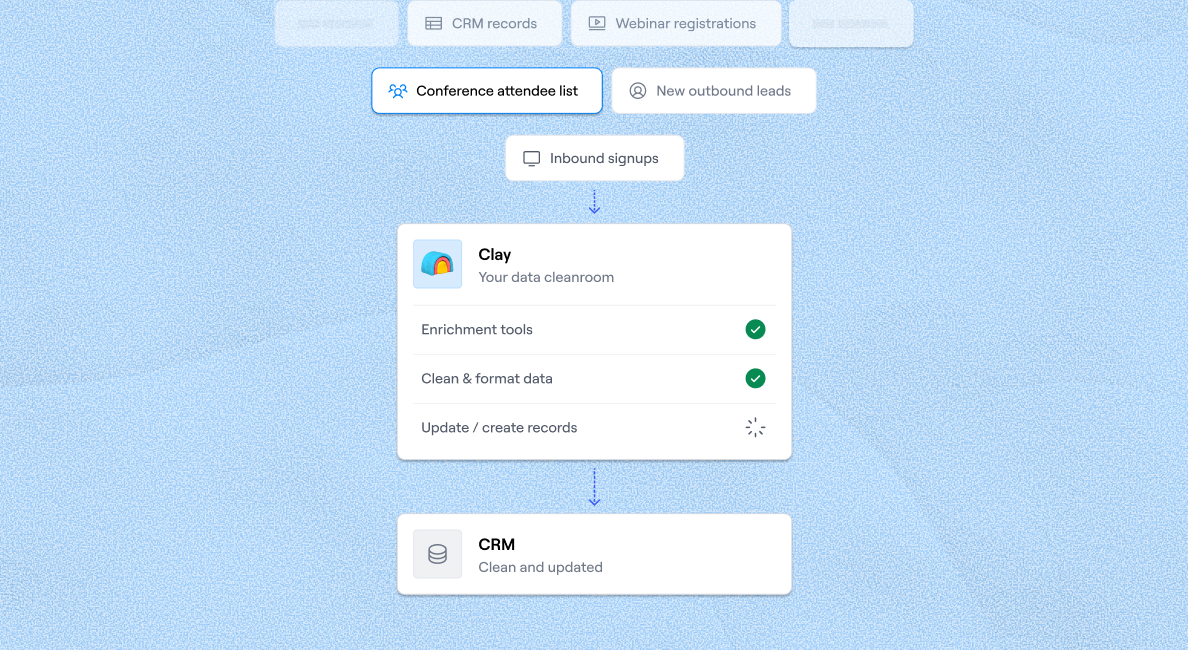
CRM enrichment
Обогащение CRM
Keep your CRM clean with the highest quality data
Поддерживайте чистоту CRM с данными высочайшего качества
BY TEAM
ПО КОМАНДАМ



GTM OpsОписание ссылки будет размещено здесь.МаркетингОписание ссылки будет размещено здесь.ПродажиОписание ссылки будет размещено здесь.
BY STAGE
ПО СТАДИЯМ


BY CUSTOMERS
ПО КЛИЕНТАМ


Pump
Pump
Link long form description will go in this slot here.
Описание ссылки будет размещено здесь.

Sana
Sana
Link long form description will go in this slot here.
Описание ссылки будет размещено здесь.

Rippling
Rippling
Link long form description will go in this slot here.
Описание ссылки будет размещено здесь.

OpenAI
OpenAI
Link long form description will go in this slot here.
Описание ссылки будет размещено здесь.

Terrapinn
Terrapinn
Link long form description will go in this slot here.
Описание ссылки будет размещено здесь.
Intercom
Intercom
Grew their outbound-sourced pipeline by +140%
Увеличили пайплайн из исходящих каналов на +140%

START GROWING
НАЧНИТЕ РАСТИ




ТрансляцииОписание ссылки будет размещено здесь.Когортные онлайн-занятияОписание ссылки будет размещено здесь.Найти экспертов ClayОписание ссылки будет размещено здесь.Нанять GTM-специалистовОписание ссылки будет размещено здесь.Доска вакансий GTMEОписание ссылки будет размещено здесь.
DISCOVER
ИЗУЧАЙТЕ
УниверситетОписание ссылки будет размещено здесь.ШаблоныОписание ссылки будет размещено здесь.Блог GTMEОписание ссылки будет размещено здесь.Документация поддержкиОписание ссылки будет размещено здесь.
Community
Сообщество
Живые мероприятияОписание ссылки будет размещено здесь.Clay CupОписание ссылки будет размещено здесь.Сообщество ClayОписание ссылки будет размещено здесь.SlackОписание ссылки будет размещено здесь.
PARTNER WITH US
СТАНЬТЕ ПАРТНЁРОМ
Стать партнёромОписание ссылки будет размещено здесь.Партнёры по решениямОписание ссылки будет размещено здесь.Партнёры по интеграциямОписание ссылки будет размещено здесь.Программа для авторовОписание ссылки будет размещено здесь.Программа для стартаповОписание ссылки будет размещено здесь.Частный капиталОписание ссылки будет размещено здесь.
Clay Commnity
Сообщество Clay
In Nigeria, she built a life where money wouldn’t decide
В Нигерии она построила жизнь, в которой деньги не решают

OUR COMPANY
НАША КОМПАНИЯ



О насОписание ссылки будет размещено здесь.КарьераОписание ссылки будет размещено здесь.Открытые вакансииОписание ссылки будет размещено здесь.
GET IN TOUCH
СВЯЗАТЬСЯ С НАМИ


SOCIALS
СОЦСЕТИ



LinkedInОписание ссылки будет размещено здесь.YouTubeОписание ссылки будет размещено здесь.XОписание ссылки будет размещено здесь.
Article – NY Times
Статья — NY Times
Clay allows employees to sell shares at a $5b valuation.
Clay предоставляет сотрудникам возможность продать акции при оценке $5 млрд.

Is Web Scraping Legal? A Guide to Ethical Scraping
Законен ли веб-скрейпинг? Руководство по этичному скрейпингу

Web scraping can make your life a lot easier when you're launching outbound campaigns. It helps you get the data you need at scale without exhausting manual processes. If you're thinking about using a web scraper to tighten your workflow, you might be wondering about the regulatory aspect of doing so.
Веб-скрейпинг может существенно упростить жизнь при запуске аутбаунд-кампаний. Он помогает получать нужные данные в масштабе без утомительных ручных процессов. Если вы задумываетесь об использовании веб-скрейпера, чтобы оптимизировать рабочий процесс, вас наверняка интересует регуляторная сторона вопроса.
In other words, you might ask a simple question: "Is web scraping legal"?
Другими словами, вы можете задать простой вопрос: «Законен ли веб-скрейпинг»?
There's no clear answer here, but fret not. This guide will clear the air as much as possible. We'll also show you some ethical ways to scrape the web that we've gathered from marketing and sales pros in our network.
Однозначного ответа нет, но не переживайте. Это руководство прояснит ситуацию насколько возможно. Мы также покажем несколько этичных способов веб-скрейпинга, которые собрали у специалистов по маркетингу и продажам в нашей сети.
❗ Disclaimer: Data scraping might be within our expertise, but the law isn't. The content on this page should only be used for educational purposes, so make sure to consult an attorney if you need legal counsel.
❗ Дисклеймер: Скрейпинг данных — это наша область экспертизы, а вот юриспруденция — нет. Содержание этой страницы следует использовать только в образовательных целях, поэтому обязательно проконсультируйтесь с юристом, если вам нужна правовая помощь.
TL;DR
- Web scraping is technically legal in the US, but legality depends on what data you scrape, how you access it, and whether you respect applicable laws.
- Scraping public data is generally safe. Scraping private data, copyrighted content without fair use grounds, or PII from EU/California residents carries real legal risk.
- Always check a site's terms of service before scraping. If you accepted ToS by logging in, scraping that site could expose you to CFAA claims.
- Using a purpose-built scraping tool like Clay reduces legal and technical risk compared to manual methods like Python scripts.
TL;DRВеб-скрейпинг технически легален в США, но законность зависит от того, какие данные вы собираете, как получаете к ним доступ и соблюдаете ли применимые законы.Скрейпинг публичных данных в целом безопасен. Скрейпинг приватных данных, контента, защищённого авторским правом без оснований fair use, или PII жителей ЕС/Калифорнии несёт реальные юридические риски.Всегда проверяйте условия использования сайта перед скрейпингом. Если вы приняли ToS при авторизации, скрейпинг этого сайта может повлечь претензии по CFAA.Использование специализированного инструмента скрейпинга, такого как Clay, снижает юридические и технические риски по сравнению с ручными методами вроде Python-скриптов.
Is Web Scraping Legal? The Key Factors Explained
Законен ли веб-скрейпинг? Ключевые факторы
Web scraping as a practice is technically legal since there are no federal laws or regulations prohibiting it. Countless web pages are scraped daily for various purposes, from AI training to lead generation. There haven't been many legal ramifications surrounding the practice itself, so you should be fine if you add it to your workflow.
Веб-скрейпинг как практика технически легален, поскольку нет федеральных законов или нормативных актов, запрещающих его. Бесчисленное количество веб-страниц ежедневно подвергается скрейпингу для различных целей — от обучения AI до генерации лидов. Серьёзных юридических последствий в отношении самой практики было немного, так что если вы добавите её в свой рабочий процесс, проблем возникнуть не должно.
So that's it. You can fire up your data scraper and start filling your database, right?
Вот и всё. Можно запустить скрейпер данных и начать заполнять базу, верно?
Not exactly, as most legal matters aren't that simple. While web scraping isn't strictly illegal, you need to consider the following factors to understand the big picture and stay on the safe side:
Не совсем — большинство юридических вопросов не так просты. Хотя веб-скрейпинг не является строго незаконным, необходимо учитывать следующие факторы, чтобы видеть полную картину и оставаться в безопасности:
Публичные vs. приватные данные 🤫Нормативные акты о персональных данных (PII) 🧑⚖️Условия использования (ToS) сайтов 📄
Scraping Public Data vs. Private Information
Скрейпинг публичных данных vs. приватной информации
When we say web scraping is legal, we're specifically talking about public data. In the scraping context, this encompasses all data that can be accessed without a login. Some examples include the following:
Когда мы говорим, что веб-скрейпинг легален, мы имеем в виду именно публичные данные. В контексте скрейпинга это всё, к чему можно получить доступ без авторизации. Примеры:
Контент, не эксклюзивный для зарегистрированных пользователей сайтаСвободные/открытые академические данные
If you plan on scraping any of the above, you should be able to do it without running into legal troubles, as long as you respect the related laws.
Если вы планируете собирать любые из перечисленных данных, вы сможете это делать без юридических проблем, при условии соблюдения соответствующих законов.
For example, public content might still be copyrighted, which opens an entirely different legal dimension. You're only allowed to collect and employ such data if doing so falls under fair use, which can be tricky to determine.
Например, публичный контент всё равно может быть защищён авторским правом, что открывает совершенно другое правовое измерение. Собирать и использовать такие данные разрешено только если это подпадает под добросовестное использование (fair use), что бывает непросто определить.
Generally, if you scrape copyrighted materials for educational purposes, to report news, or as part of research, you might have grounds to claim fair use. You'll have slim chances of doing so if you scrape data to:
В целом, если вы собираете защищённые авторским правом материалы в образовательных целях, для освещения новостей или в рамках исследований, у вас могут быть основания ссылаться на fair use. Шансы значительно ниже, если вы собираете данные для того, чтобы:
Копировать ихИспользовать в коммерческих целяхРаспространять без разрешения
To sum up, you should be able to scrape public data without risks as long as there are no violations of other laws protecting it. This doesn't go for private data, which is illegal to scrape in any case.
Подводя итог, вы можете собирать публичные данные без рисков, если не нарушаете другие законы, защищающие эти данные. Это не относится к приватным данным, скрейпинг которых незаконен в любом случае.
Is Data Scraping Legal When It Comes to PII?
Законен ли скрейпинг данных в отношении PII?
PII encompasses any information that can be used to identify an individual, such as:
PII включает любую информацию, которая может быть использована для идентификации конкретного человека, например:
ИмяНомер телефонаАдресДата рождения
Scraping Personal Identifiable Information (PII) has been a hot topic for a while now, and we don't seem to have any universal guidelines when it comes to its legality. Several data protection laws might stand in the way of risk-free scraping, two of which are particularly important:
Скрейпинг персональных данных (PII) уже давно является горячей темой, и универсальных рекомендаций по поводу его законности пока нет. Несколько законов о защите данных могут стать препятствием для безрискового скрейпинга, два из них особенно важны:
Общий регламент защиты данных (GDPR) в ЕСЗакон Калифорнии о защите прав потребителей (CCPA) в Калифорнии
Both regulations prohibit the collection of PII without the user's explicit consent or a lawful reason for its gathering. This means that if you wish to scrape the personal data of EU or California citizens, you may enter a legal gray area.
Оба регламента запрещают сбор PII без явного согласия пользователя или законного основания для их сбора. Это означает, что если вы хотите собирать персональные данные граждан ЕС или Калифорнии, вы можете оказаться в правовой серой зоне.
The U.S. doesn't have any federal regulations that limit the collection of PII in other states, so doing so is much safer from a legal standpoint.
В США нет федеральных регламентов, ограничивающих сбор PII в других штатах, поэтому с юридической точки зрения это значительно безопаснее.
Note that the above regulations don't apply specifically to web scraping (as in using an automated tool to gather data) but to any form of PII collection. This further confirms our point that using a web scraper isn't illegal on its own, but there might be other laws you should be aware of.
Обратите внимание, что вышеупомянутые регламенты применяются не конкретно к веб-скрейпингу (как использованию автоматизированного инструмента для сбора данных), а к любой форме сбора PII. Это ещё раз подтверждает нашу мысль: использование веб-скрейпера само по себе не является незаконным, но есть другие законы, о которых следует знать.
ToS and Web Scraping Legality
Условия использования и законность веб-скрейпинга
Some websites explicitly forbid web scraping in their ToS. This means that if you agree to them and scrape the site nonetheless, the webmaster might be able to take legal action against you by invoking the Computer Fraud and Abuse Act (CFAA).
Некоторые сайты явно запрещают веб-скрейпинг в своих ToS. Это означает, что если вы согласились с ними и всё равно скрейпите сайт, владелец может подать против вас иск, ссылаясь на Закон о компьютерном мошенничестве и злоупотреблениях (CFAA).
This caveat overlaps with another topic we covered above. The thing is, ToS are typically accepted when you create an account or log into a website or service. If you can scrape data without logging in (and accepting ToS along the way), you likely won't face legal consequences.
Эта оговорка пересекается с другой темой, которую мы рассмотрели выше. Дело в том, что ToS обычно принимаются при создании аккаунта или входе на сайт или сервис. Если вы можете собирать данные без авторизации (и принятия ToS в процессе), вы, скорее всего, не столкнётесь с юридическими последствиями.
How To Gather Data at Scale Without Breaking Web Scraping Rules
Как собирать данные в масштабе, не нарушая правил веб-скрейпинга
Keeping in mind everything we've discussed above, you can scrape websites without getting in trouble with the law, as long as you do it carefully. To stay on the right side of the law, follow these five tips:
Учитывая всё, что мы обсудили выше, вы можете скрейпить сайты, не попадая в неприятности с законом, если делаете это аккуратно. Чтобы оставаться на правильной стороне закона, следуйте этим пяти советам:
Избегайте скрейпинга защищённых/защищённых авторским правом данныхПроверяйте условия использования сайта перед скрейпингомБудьте осторожны при скрейпинге данных, защищённых GDPR, CCPA и аналогичными законамиНе перегружайте серверы сайта запросамиИзбегайте скрейпинга в часы пиковой нагрузки
Note that the above tips mainly apply if you resort to manual scraping methods like using Python. You can avoid many headaches by opting for a capable scraping tool. Not only will the process be much more streamlined, but you can trust that your chosen platform has systems in place to ensure you can collect data ethically.
Обратите внимание, что приведённые выше советы в основном актуальны, если вы прибегаете к ручным методам скрейпинга, таким как Python. Многих проблем можно избежать, выбрав качественный инструмент скрейпинга. Процесс будет не только значительно более отлаженным, но вы сможете доверять тому, что выбранная платформа имеет механизмы для этичного сбора данных.
There are countless data scraping tools on the web, and the best option will mainly depend on your scraping needs and goals. If you need a sales-oriented solution that sets your outbound campaigns with success, Clay can be an excellent option. 🚀
В интернете существует множество инструментов скрейпинга данных, и лучший вариант будет зависеть от ваших потребностей и целей. Если вам нужно решение для продаж, которое обеспечит успех аутбаунд-кампаний, Clay может стать отличным выбором. 🚀
Clay: The Easiest Way To Get All The Prospect Data You Need
Clay: самый простой способ получить все нужные данные о проспектах
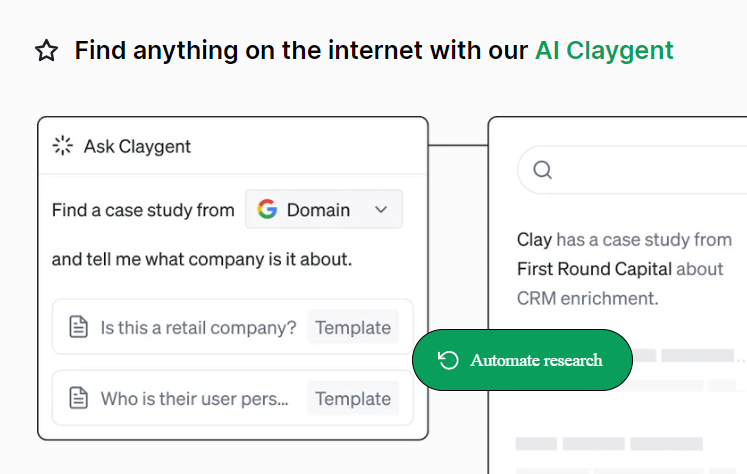
Clay is a robust data enrichment and sales automation platform jam-packed with web scraping features. If you're new to scraping and want a hands-off way to gather prospect data, you can start with Claygent, an AI scraper that scours the web for the info you need based on simple prompts.
Clay — это мощная платформа для обогащения данных и автоматизации продаж, насыщенная функциями веб-скрейпинга. Если вы новичок в скрейпинге и хотите собирать данные о проспектах без лишних усилий, начните с Claygent — AI-скрейпера, который обыскивает интернет в поисках нужной информации на основе простых промптов.
You can tell Claygent to perform specific tasks or ask it questions like:
Вы можете попросить Claygent выполнить конкретные задачи или задать ему вопросы, например:
Кто основные конкуренты [компании X]? ⚔️Какова средняя цена товаров на [сайте X]? 💲Кто является менеджером по найму на [позицию X]? 🧑💼
You'll get answers to all your questions in seconds and can avoid the manual scraping process. If you do want to scrape specific websites, use Clay's Chrome extension. It pulls info in real-time as you visit a page, letting you export all sorts of data points in a single click. You can create specific scraping recipes for different data types without coding or other time-consuming work.
Вы получите ответы на все вопросы за секунды и сможете избежать ручного процесса скрейпинга. Если вы хотите скрейпить конкретные сайты, используйте расширение Clay для Chrome. Оно извлекает информацию в реальном времени при посещении страницы, позволяя экспортировать различные данные одним кликом. Вы можете создавать специальные рецепты скрейпинга для разных типов данных без кодирования и трудоёмкой работы.
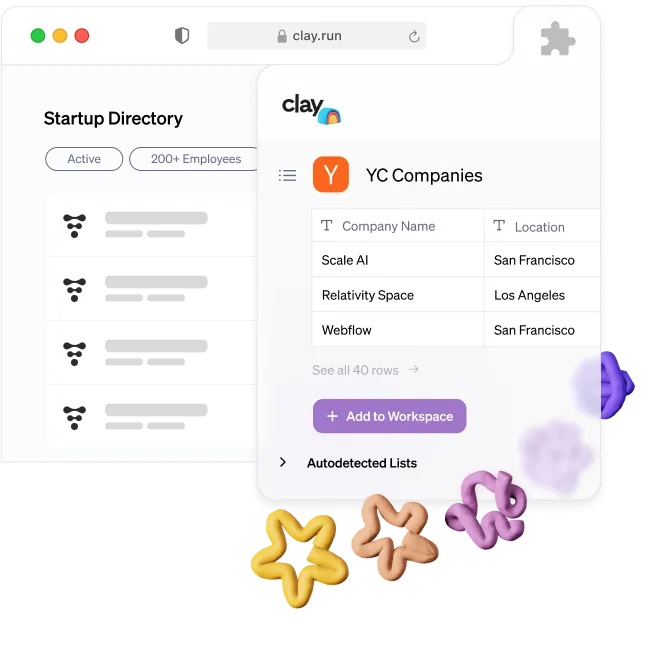
Clay offers over 100 integrations, many of which are geared toward scraping. Some of the most useful integrations are shown in the following table:
Clay предлагает более 100 интеграций, многие из которых ориентированы на скрейпинг. Некоторые из наиболее полезных интеграций показаны в таблице ниже:
Finally, you can automate scraping through dozens of Clay templates. You can perform numerous actions, from enriching inbound leads to scraping Indeed job listings without complex setups.
Наконец, вы можете автоматизировать скрейпинг с помощью десятков шаблонов Clay. Можно выполнять множество действий — от обогащения входящих лидов до скрейпинга вакансий на Indeed — без сложных настроек.
Empower Your SDRs With Clay's Data Enrichment and AI Features
Усильте своих SDR с помощью обогащения данных и AI-функций Clay
Web scraping is only one aspect of Clay's diverse feature set. The platform lets you build highly effective outreach campaigns from the ground up, even if you don't have a single lead yet.
Веб-скрейпинг — лишь один аспект разнообразного набора функций Clay. Платформа позволяет строить высокоэффективные аутрич-кампании с нуля, даже если у вас ещё нет ни одного лида.
For example, you can use Clay to find leads based on numerous search filters, and you'll have an abundant list in minutes. You can then enrich leads with data like emails, phone numbers, and many other details you can use to send hyper-personalized emails.
Например, вы можете использовать Clay для поиска лидов по многочисленным фильтрам, и у вас будет обширный список за минуты. Затем вы можете обогатить лидов данными, такими как email-адреса, номера телефонов и множество других деталей для отправки гиперперсонализированных писем.
With Clay, you get access to over 50 data providers, including some of the biggest B2B databases on the market. This ensures maximum data coverage, minimizing the risk of your emails bouncing back.
С Clay вы получаете доступ к более чем 50 поставщикам данных, включая крупнейшие B2B-базы на рынке. Это обеспечивает максимальное покрытие данных, минимизируя риск возврата писем.
Don't have the time to write email sequences? Let Clay's AI email builder do it for you. It automatically pulls data from your Clay table to write drafts in seconds. When the emails are ready, you can send them to your email sequencer without hassle, thanks to Clay's integrations with popular platforms.
Нет времени писать цепочки писем? Пусть AI-конструктор писем Clay сделает это за вас. Он автоматически извлекает данные из вашей таблицы Clay, чтобы писать черновики за секунды. Когда письма готовы, вы можете отправить их в ваш email-секвенсер без лишних усилий благодаря интеграциям Clay с популярными платформами.
Flexible Pricing, Maximized ROI
Гибкое ценообразование, максимальный ROI
You can see Clay in action by signing up for its rich free plan. It's perfect for beginners looking to start their first lead lists and get the hang of automated web scraping. If you want to leverage more advanced features, you can upgrade to one of the following paid plans:
Вы можете увидеть Clay в действии, зарегистрировавшись на богатом бесплатном плане. Он идеально подходит для начинающих, которые хотят создать первые списки лидов и освоить автоматизированный веб-скрейпинг. Если вы хотите использовать более продвинутые функции, вы можете перейти на один из следующих платных планов:
Whichever plan you choose, you'll get the most out of your investment thanks to Clay's waterfall enrichment, an innovative approach to data collection that ensures you only pay for successful searches.
Какой бы план вы ни выбрали, вы получите максимум от инвестиций благодаря каскадному обогащению Clay — инновационному подходу к сбору данных, который гарантирует, что вы платите только за успешные поиски.
Frequently Asked Questions
Часто задаваемые вопросы
Is web scraping legal?
Законен ли веб-скрейпинг?
Web scraping is technically legal in the US since no federal law explicitly prohibits it. However, legality depends on what you scrape, how you access it, and whether you comply with laws like GDPR, CCPA, and copyright protections. Scraping private data is illegal in any case.
Веб-скрейпинг технически легален в США, поскольку ни один федеральный закон явно его не запрещает. Однако законность зависит от того, что вы собираете, как получаете доступ и соблюдаете ли такие законы, как GDPR, CCPA и защита авторских прав. Скрейпинг приватных данных незаконен в любом случае.
Is scraping copyrighted content legal?
Законен ли скрейпинг контента, защищённого авторским правом?
Scraping copyrighted content is only permitted if it falls under fair use, such as for educational purposes, news reporting, or research. If you scrape copyrighted material to replicate it, use it commercially, or distribute it without permission, you are unlikely to have a fair use defense.
Скрейпинг контента, защищённого авторским правом, допустим только если он подпадает под добросовестное использование (fair use) — например, в образовательных целях, для освещения новостей или исследований. Если вы собираете защищённый авторским правом материал для копирования, коммерческого использования или распространения без разрешения, у вас вряд ли будет защита на основании fair use.
What is web scraping?
Что такое веб-скрейпинг?
Web scraping is the automated process of extracting data from websites at scale. It is used for a wide range of purposes, from AI training and academic research to lead generation and outbound sales campaigns.
Веб-скрейпинг — это автоматизированный процесс извлечения данных с веб-сайтов в масштабе. Он используется для широкого спектра целей — от обучения AI и академических исследований до генерации лидов и кампаний исходящих продаж.
What are ethical scraping practices?
Что такое этичные практики скрейпинга?
Ethical scraping means sticking to publicly accessible data, checking a site's terms of service before scraping, avoiding overloading servers with requests, and respecting applicable privacy laws like GDPR and CCPA. Using a purpose-built tool rather than manual scripts also helps ensure you collect data responsibly.
Этичный скрейпинг означает работу только с общедоступными данными, проверку условий использования сайта перед скрейпингом, отказ от перегрузки серверов запросами и соблюдение применимых законов о конфиденциальности, таких как GDPR и CCPA. Использование специализированного инструмента вместо ручных скриптов также помогает собирать данные ответственно.
Launch Data-Driven Campaigns With Clay
Запускайте кампании на основе данных с Clay
If you want to uplevel your web scraping and outbound campaigns, you can create a free Clay account in three steps:
Если вы хотите усовершенствовать свой веб-скрейпинг и аутбаунд-кампании, вы можете создать бесплатный аккаунт Clay в три шага:
Перейдите на страницу регистрации 👈Введите имя, email и парольИзучайте возможности Clay
To learn more about the platform and its capabilities, feel free to browse Clay's University and join the ever-growing Slack community of marketing and sales pros. You can also sign up for Clay's newsletter to receive useful updates and tips for sending emails that engage and convert prospects effortlessly.
Чтобы узнать больше о платформе и её возможностях, загляните в университет Clay и присоединяйтесь к растущему Slack-сообществу специалистов по маркетингу и продажам. Вы также можете подписаться на рассылку Clay, чтобы получать полезные обновления и советы по отправке писем, которые вовлекают и конвертируют проспектов без лишних усилий.
Web scraping can make your life a lot easier when you're launching outbound campaigns. It helps you get the data you need at scale without exhausting manual processes. If you're thinking about using a web scraper to tighten your workflow, you might be wondering about the regulatory aspect of doing so.
Веб-скрейпинг может существенно упростить жизнь при запуске аутбаунд-кампаний. Он помогает получать нужные данные в масштабе без утомительных ручных процессов. Если вы задумываетесь об использовании веб-скрейпера, чтобы оптимизировать рабочий процесс, вас наверняка интересует регуляторная сторона вопроса.
In other words, you might ask a simple question: "Is web scraping legal"?
Другими словами, вы можете задать простой вопрос: «Законен ли веб-скрейпинг»?
There's no clear answer here, but fret not. This guide will clear the air as much as possible. We'll also show you some ethical ways to scrape the web that we've gathered from marketing and sales pros in our network.
Однозначного ответа нет, но не переживайте. Это руководство прояснит ситуацию насколько возможно. Мы также покажем несколько этичных способов веб-скрейпинга, которые собрали у специалистов по маркетингу и продажам в нашей сети.
❗ Disclaimer: Data scraping might be within our expertise, but the law isn't. The content on this page should only be used for educational purposes, so make sure to consult an attorney if you need legal counsel.
❗ Дисклеймер: Скрейпинг данных — это наша область экспертизы, а вот юриспруденция — нет. Содержание этой страницы следует использовать только в образовательных целях, поэтому обязательно проконсультируйтесь с юристом, если вам нужна правовая помощь.
TL;DR
- Web scraping is technically legal in the US, but legality depends on what data you scrape, how you access it, and whether you respect applicable laws.
- Scraping public data is generally safe. Scraping private data, copyrighted content without fair use grounds, or PII from EU/California residents carries real legal risk.
- Always check a site's terms of service before scraping. If you accepted ToS by logging in, scraping that site could expose you to CFAA claims.
- Using a purpose-built scraping tool like Clay reduces legal and technical risk compared to manual methods like Python scripts.
TL;DRВеб-скрейпинг технически легален в США, но законность зависит от того, какие данные вы собираете, как получаете к ним доступ и соблюдаете ли применимые законы.Скрейпинг публичных данных в целом безопасен. Скрейпинг приватных данных, контента, защищённого авторским правом без оснований fair use, или PII жителей ЕС/Калифорнии несёт реальные юридические риски.Всегда проверяйте условия использования сайта перед скрейпингом. Если вы приняли ToS при авторизации, скрейпинг этого сайта может повлечь претензии по CFAA.Использование специализированного инструмента скрейпинга, такого как Clay, снижает юридические и технические риски по сравнению с ручными методами вроде Python-скриптов.
Is Web Scraping Legal? The Key Factors Explained
Законен ли веб-скрейпинг? Ключевые факторы
Web scraping as a practice is technically legal since there are no federal laws or regulations prohibiting it. Countless web pages are scraped daily for various purposes, from AI training to lead generation. There haven't been many legal ramifications surrounding the practice itself, so you should be fine if you add it to your workflow.
Веб-скрейпинг как практика технически легален, поскольку нет федеральных законов или нормативных актов, запрещающих его. Бесчисленное количество веб-страниц ежедневно подвергается скрейпингу для различных целей — от обучения AI до генерации лидов. Серьёзных юридических последствий в отношении самой практики было немного, так что если вы добавите её в свой рабочий процесс, проблем возникнуть не должно.
So that's it. You can fire up your data scraper and start filling your database, right?
Вот и всё. Можно запустить скрейпер данных и начать заполнять базу, верно?
Not exactly, as most legal matters aren't that simple. While web scraping isn't strictly illegal, you need to consider the following factors to understand the big picture and stay on the safe side:
Не совсем — большинство юридических вопросов не так просты. Хотя веб-скрейпинг не является строго незаконным, необходимо учитывать следующие факторы, чтобы видеть полную картину и оставаться в безопасности:
Публичные vs. приватные данные 🤫Нормативные акты о персональных данных (PII) 🧑⚖️Условия использования (ToS) сайтов 📄
Scraping Public Data vs. Private Information
Скрейпинг публичных данных vs. приватной информации
When we say web scraping is legal, we're specifically talking about public data. In the scraping context, this encompasses all data that can be accessed without a login. Some examples include the following:
Когда мы говорим, что веб-скрейпинг легален, мы имеем в виду именно публичные данные. В контексте скрейпинга это всё, к чему можно получить доступ без авторизации. Примеры:
Контент, не эксклюзивный для зарегистрированных пользователей сайтаСвободные/открытые академические данные
If you plan on scraping any of the above, you should be able to do it without running into legal troubles, as long as you respect the related laws.
Если вы планируете собирать любые из перечисленных данных, вы сможете это делать без юридических проблем, при условии соблюдения соответствующих законов.
For example, public content might still be copyrighted, which opens an entirely different legal dimension. You're only allowed to collect and employ such data if doing so falls under fair use, which can be tricky to determine.
Например, публичный контент всё равно может быть защищён авторским правом, что открывает совершенно другое правовое измерение. Собирать и использовать такие данные разрешено только если это подпадает под добросовестное использование (fair use), что бывает непросто определить.
Generally, if you scrape copyrighted materials for educational purposes, to report news, or as part of research, you might have grounds to claim fair use. You'll have slim chances of doing so if you scrape data to:
В целом, если вы собираете защищённые авторским правом материалы в образовательных целях, для освещения новостей или в рамках исследований, у вас могут быть основания ссылаться на fair use. Шансы значительно ниже, если вы собираете данные для того, чтобы:
Копировать ихИспользовать в коммерческих целяхРаспространять без разрешения
To sum up, you should be able to scrape public data without risks as long as there are no violations of other laws protecting it. This doesn't go for private data, which is illegal to scrape in any case.
Подводя итог, вы можете собирать публичные данные без рисков, если не нарушаете другие законы, защищающие эти данные. Это не относится к приватным данным, скрейпинг которых незаконен в любом случае.
Is Data Scraping Legal When It Comes to PII?
Законен ли скрейпинг данных в отношении PII?
PII encompasses any information that can be used to identify an individual, such as:
PII включает любую информацию, которая может быть использована для идентификации конкретного человека, например:
ИмяНомер телефонаАдресДата рождения
Scraping Personal Identifiable Information (PII) has been a hot topic for a while now, and we don't seem to have any universal guidelines when it comes to its legality. Several data protection laws might stand in the way of risk-free scraping, two of which are particularly important:
Скрейпинг персональных данных (PII) уже давно является горячей темой, и универсальных рекомендаций по поводу его законности пока нет. Несколько законов о защите данных могут стать препятствием для безрискового скрейпинга, два из них особенно важны:
Общий регламент защиты данных (GDPR) в ЕСЗакон Калифорнии о защите прав потребителей (CCPA) в Калифорнии
Both regulations prohibit the collection of PII without the user's explicit consent or a lawful reason for its gathering. This means that if you wish to scrape the personal data of EU or California citizens, you may enter a legal gray area.
Оба регламента запрещают сбор PII без явного согласия пользователя или законного основания для их сбора. Это означает, что если вы хотите собирать персональные данные граждан ЕС или Калифорнии, вы можете оказаться в правовой серой зоне.
The U.S. doesn't have any federal regulations that limit the collection of PII in other states, so doing so is much safer from a legal standpoint.
В США нет федеральных регламентов, ограничивающих сбор PII в других штатах, поэтому с юридической точки зрения это значительно безопаснее.
Note that the above regulations don't apply specifically to web scraping (as in using an automated tool to gather data) but to any form of PII collection. This further confirms our point that using a web scraper isn't illegal on its own, but there might be other laws you should be aware of.
Обратите внимание, что вышеупомянутые регламенты применяются не конкретно к веб-скрейпингу (как использованию автоматизированного инструмента для сбора данных), а к любой форме сбора PII. Это ещё раз подтверждает нашу мысль: использование веб-скрейпера само по себе не является незаконным, но есть другие законы, о которых следует знать.
ToS and Web Scraping Legality
Условия использования и законность веб-скрейпинга
Some websites explicitly forbid web scraping in their ToS. This means that if you agree to them and scrape the site nonetheless, the webmaster might be able to take legal action against you by invoking the Computer Fraud and Abuse Act (CFAA).
Некоторые сайты явно запрещают веб-скрейпинг в своих ToS. Это означает, что если вы согласились с ними и всё равно скрейпите сайт, владелец может подать против вас иск, ссылаясь на Закон о компьютерном мошенничестве и злоупотреблениях (CFAA).
This caveat overlaps with another topic we covered above. The thing is, ToS are typically accepted when you create an account or log into a website or service. If you can scrape data without logging in (and accepting ToS along the way), you likely won't face legal consequences.
Эта оговорка пересекается с другой темой, которую мы рассмотрели выше. Дело в том, что ToS обычно принимаются при создании аккаунта или входе на сайт или сервис. Если вы можете собирать данные без авторизации (и принятия ToS в процессе), вы, скорее всего, не столкнётесь с юридическими последствиями.
How To Gather Data at Scale Without Breaking Web Scraping Rules
Как собирать данные в масштабе, не нарушая правил веб-скрейпинга
Keeping in mind everything we've discussed above, you can scrape websites without getting in trouble with the law, as long as you do it carefully. To stay on the right side of the law, follow these five tips:
Учитывая всё, что мы обсудили выше, вы можете скрейпить сайты, не попадая в неприятности с законом, если делаете это аккуратно. Чтобы оставаться на правильной стороне закона, следуйте этим пяти советам:
Избегайте скрейпинга защищённых/защищённых авторским правом данныхПроверяйте условия использования сайта перед скрейпингомБудьте осторожны при скрейпинге данных, защищённых GDPR, CCPA и аналогичными законамиНе перегружайте серверы сайта запросамиИзбегайте скрейпинга в часы пиковой нагрузки
Note that the above tips mainly apply if you resort to manual scraping methods like using Python. You can avoid many headaches by opting for a capable scraping tool. Not only will the process be much more streamlined, but you can trust that your chosen platform has systems in place to ensure you can collect data ethically.
Обратите внимание, что приведённые выше советы в основном актуальны, если вы прибегаете к ручным методам скрейпинга, таким как Python. Многих проблем можно избежать, выбрав качественный инструмент скрейпинга. Процесс будет не только значительно более отлаженным, но вы сможете доверять тому, что выбранная платформа имеет механизмы для этичного сбора данных.
There are countless data scraping tools on the web, and the best option will mainly depend on your scraping needs and goals. If you need a sales-oriented solution that sets your outbound campaigns with success, Clay can be an excellent option. 🚀
В интернете существует множество инструментов скрейпинга данных, и лучший вариант будет зависеть от ваших потребностей и целей. Если вам нужно решение для продаж, которое обеспечит успех аутбаунд-кампаний, Clay может стать отличным выбором. 🚀
Clay: The Easiest Way To Get All The Prospect Data You Need
Clay: самый простой способ получить все нужные данные о проспектах
Clay is a robust data enrichment and sales automation platform jam-packed with web scraping features. If you're new to scraping and want a hands-off way to gather prospect data, you can start with Claygent, an AI scraper that scours the web for the info you need based on simple prompts.
Clay — это мощная платформа для обогащения данных и автоматизации продаж, насыщенная функциями веб-скрейпинга. Если вы новичок в скрейпинге и хотите собирать данные о проспектах без лишних усилий, начните с Claygent — AI-скрейпера, который обыскивает интернет в поисках нужной информации на основе простых промптов.
You can tell Claygent to perform specific tasks or ask it questions like:
Вы можете попросить Claygent выполнить конкретные задачи или задать ему вопросы, например:
Кто основные конкуренты [компании X]? ⚔️Какова средняя цена товаров на [сайте X]? 💲Кто является менеджером по найму на [позицию X]? 🧑💼
You'll get answers to all your questions in seconds and can avoid the manual scraping process. If you do want to scrape specific websites, use Clay's Chrome extension. It pulls info in real-time as you visit a page, letting you export all sorts of data points in a single click. You can create specific scraping recipes for different data types without coding or other time-consuming work.
Вы получите ответы на все вопросы за секунды и сможете избежать ручного процесса скрейпинга. Если вы хотите скрейпить конкретные сайты, используйте расширение Clay для Chrome. Оно извлекает информацию в реальном времени при посещении страницы, позволяя экспортировать различные данные одним кликом. Вы можете создавать специальные рецепты скрейпинга для разных типов данных без кодирования и трудоёмкой работы.
Clay offers over 100 integrations, many of which are geared toward scraping. Some of the most useful integrations are shown in the following table:
Clay предлагает более 100 интеграций, многие из которых ориентированы на скрейпинг. Некоторые из наиболее полезных интеграций показаны в таблице ниже:
Finally, you can automate scraping through dozens of Clay templates. You can perform numerous actions, from enriching inbound leads to scraping Indeed job listings without complex setups.
Наконец, вы можете автоматизировать скрейпинг с помощью десятков шаблонов Clay. Можно выполнять множество действий — от обогащения входящих лидов до скрейпинга вакансий на Indeed — без сложных настроек.
Empower Your SDRs With Clay's Data Enrichment and AI Features
Усильте своих SDR с помощью обогащения данных и AI-функций Clay
Web scraping is only one aspect of Clay's diverse feature set. The platform lets you build highly effective outreach campaigns from the ground up, even if you don't have a single lead yet.
Веб-скрейпинг — лишь один аспект разнообразного набора функций Clay. Платформа позволяет строить высокоэффективные аутрич-кампании с нуля, даже если у вас ещё нет ни одного лида.
For example, you can use Clay to find leads based on numerous search filters, and you'll have an abundant list in minutes. You can then enrich leads with data like emails, phone numbers, and many other details you can use to send hyper-personalized emails.
Например, вы можете использовать Clay для поиска лидов по многочисленным фильтрам, и у вас будет обширный список за минуты. Затем вы можете обогатить лидов данными, такими как email-адреса, номера телефонов и множество других деталей для отправки гиперперсонализированных писем.
With Clay, you get access to over 50 data providers, including some of the biggest B2B databases on the market. This ensures maximum data coverage, minimizing the risk of your emails bouncing back.
С Clay вы получаете доступ к более чем 50 поставщикам данных, включая крупнейшие B2B-базы на рынке. Это обеспечивает максимальное покрытие данных, минимизируя риск возврата писем.
Don't have the time to write email sequences? Let Clay's AI email builder do it for you. It automatically pulls data from your Clay table to write drafts in seconds. When the emails are ready, you can send them to your email sequencer without hassle, thanks to Clay's integrations with popular platforms.
Нет времени писать цепочки писем? Пусть AI-конструктор писем Clay сделает это за вас. Он автоматически извлекает данные из вашей таблицы Clay, чтобы писать черновики за секунды. Когда письма готовы, вы можете отправить их в ваш email-секвенсер без лишних усилий благодаря интеграциям Clay с популярными платформами.
Flexible Pricing, Maximized ROI
Гибкое ценообразование, максимальный ROI
You can see Clay in action by signing up for its rich free plan. It's perfect for beginners looking to start their first lead lists and get the hang of automated web scraping. If you want to leverage more advanced features, you can upgrade to one of the following paid plans:
Вы можете увидеть Clay в действии, зарегистрировавшись на богатом бесплатном плане. Он идеально подходит для начинающих, которые хотят создать первые списки лидов и освоить автоматизированный веб-скрейпинг. Если вы хотите использовать более продвинутые функции, вы можете перейти на один из следующих платных планов:
Whichever plan you choose, you'll get the most out of your investment thanks to Clay's waterfall enrichment, an innovative approach to data collection that ensures you only pay for successful searches.
Какой бы план вы ни выбрали, вы получите максимум от инвестиций благодаря каскадному обогащению Clay — инновационному подходу к сбору данных, который гарантирует, что вы платите только за успешные поиски.
Frequently Asked Questions
Часто задаваемые вопросы
Is web scraping legal?
Законен ли веб-скрейпинг?
Web scraping is technically legal in the US since no federal law explicitly prohibits it. However, legality depends on what you scrape, how you access it, and whether you comply with laws like GDPR, CCPA, and copyright protections. Scraping private data is illegal in any case.
Веб-скрейпинг технически легален в США, поскольку ни один федеральный закон явно его не запрещает. Однако законность зависит от того, что вы собираете, как получаете доступ и соблюдаете ли такие законы, как GDPR, CCPA и защита авторских прав. Скрейпинг приватных данных незаконен в любом случае.
Is scraping copyrighted content legal?
Законен ли скрейпинг контента, защищённого авторским правом?
Scraping copyrighted content is only permitted if it falls under fair use, such as for educational purposes, news reporting, or research. If you scrape copyrighted material to replicate it, use it commercially, or distribute it without permission, you are unlikely to have a fair use defense.
Скрейпинг контента, защищённого авторским правом, допустим только если он подпадает под добросовестное использование (fair use) — например, в образовательных целях, для освещения новостей или исследований. Если вы собираете защищённый авторским правом материал для копирования, коммерческого использования или распространения без разрешения, у вас вряд ли будет защита на основании fair use.
What is web scraping?
Что такое веб-скрейпинг?
Web scraping is the automated process of extracting data from websites at scale. It is used for a wide range of purposes, from AI training and academic research to lead generation and outbound sales campaigns.
Веб-скрейпинг — это автоматизированный процесс извлечения данных с веб-сайтов в масштабе. Он используется для широкого спектра целей — от обучения AI и академических исследований до генерации лидов и кампаний исходящих продаж.
What are ethical scraping practices?
Что такое этичные практики скрейпинга?
Ethical scraping means sticking to publicly accessible data, checking a site's terms of service before scraping, avoiding overloading servers with requests, and respecting applicable privacy laws like GDPR and CCPA. Using a purpose-built tool rather than manual scripts also helps ensure you collect data responsibly.
Этичный скрейпинг означает работу только с общедоступными данными, проверку условий использования сайта перед скрейпингом, отказ от перегрузки серверов запросами и соблюдение применимых законов о конфиденциальности, таких как GDPR и CCPA. Использование специализированного инструмента вместо ручных скриптов также помогает собирать данные ответственно.
Launch Data-Driven Campaigns With Clay
Запускайте кампании на основе данных с Clay
If you want to uplevel your web scraping and outbound campaigns, you can create a free Clay account in three steps:
Если вы хотите усовершенствовать свой веб-скрейпинг и аутбаунд-кампании, вы можете создать бесплатный аккаунт Clay в три шага:
Перейдите на страницу регистрации 👈Введите имя, email и парольИзучайте возможности Clay
To learn more about the platform and its capabilities, feel free to browse Clay's University and join the ever-growing Slack community of marketing and sales pros. You can also sign up for Clay's newsletter to receive useful updates and tips for sending emails that engage and convert prospects effortlessly.
Чтобы узнать больше о платформе и её возможностях, загляните в университет Clay и присоединяйтесь к растущему Slack-сообществу специалистов по маркетингу и продажам. Вы также можете подписаться на рассылку Clay, чтобы получать полезные обновления и советы по отправке писем, которые вовлекают и конвертируют проспектов без лишних усилий.
More Articles
Больше статей
Claygent Builder: The easiest way to build, test, and deploy GTM Agents
Claygent Builder: самый простой способ создавать, тестировать и развёртывать GTM-агентов

How Clay Uses Clay Ads: From $250 to $25 CPL
Как Clay использует Clay Ads: с $250 до $25 за лид

HG Insights Corporate Hierarchy: GTM Precision in Clay
Корпоративная иерархия HG Insights: точность GTM в Clay

Sales GTM Engineering: How Clay Built the Role From Scratch
Sales GTM Engineering: как Clay создала эту роль с нуля

How to Automate Inbound Lead Outreach: The Clay Playbook
Как автоматизировать аутрич входящих лидов: плейбук Clay
demandDrive Joins Clay’s Partner Ecosystem as an Official Clay Studio Partner
demandDrive присоединяется к партнёрской экосистеме Clay как официальный партнёр Clay Studio

B2B Sales Prospecting: 15 Strategies to Drive More Conversions
B2B-проспектинг в продажах: 15 стратегий для увеличения конверсий

AI Sales Assistants: 11 Ways to Accelerate Your Outbound
AI-ассистенты для продаж: 11 способов ускорить исходящий аутрич

The Three Laws of GTM: How to Win in the AI Era
Три закона GTM: как побеждать в эпоху AI

Best Work Email Finders by Segment: SMB vs. Enterprise
Лучшие инструменты поиска рабочих email по сегментам: SMB vs. Enterprise

How Clay Converts Trial Users Into Customers With Automated Outreach
Как Clay конвертирует пробных пользователей в клиентов с помощью автоматизированного аутрича

Best Mobile Phone Data Providers for B2B Sales Teams
Лучшие поставщики данных мобильных телефонов для B2B-команд продаж

How to Build a Complete AI Outbound Sales Funnel
Как построить полноценную AI-воронку исходящих продаж

How to Get More Customers Using Outbound Sales: A Complete Guide
Как привлечь больше клиентов с помощью исходящих продаж: полное руководство

How to Automate 6 Cold Email Campaigns in One Clay Workflow
Как автоматизировать 6 кампаний холодных писем в одном рабочем процессе Clay
How Clay Identifies Tier 1 Accounts: A Three-Score System
Как Clay определяет аккаунты первого уровня: система из трёх оценок

Lead Scoring in Clay: A Step-by-Step Formula Guide
Скоринг лидов в Clay: пошаговое руководство по формулам

How to Validate Cold Outbound Offers and Find Message-Market Fit
Как валидировать офферы для холодного аутбаунда и найти message-market fit

Troubleshooting Outbound Sales and Prospecting: A Comprehensive Guide
Диагностика исходящих продаж и проспектинга: полное руководство
Bulk Enrichment: Enrich Millions of CRM Records in Clay
Массовое обогащение: обогатите миллионы записей CRM в Clay

Clay Templates: Automate, Customize, and Replicate Any GTM Workflow
Шаблоны Clay: автоматизируйте, настраивайте и тиражируйте любой GTM-процесс

How to Optimize Your Credit Usage in Clay
Как оптимизировать расход кредитов в Clay

AI for sales prospecting
AI для проспектинга в продажах

The Reverse Demo: How Clay Replaced Traditional B2B Sales Demos
Обратное демо: как Clay заменила традиционные B2B-демонстрации

Data Waterfalls: How to Maximize Contact Coverage with Clay
Каскадное обогащение данных: как максимизировать покрытие контактов с Clay
How Clay Runs ABM Campaigns: A Step-by-Step Playbook
Как Clay проводит ABM-кампании: пошаговый плейбук

How We Built Clay's GTM Engineering Function
Как мы построили функцию GTM-инжиниринга в Clay

Best Personal Email Finder Tools: Tested and Ranked
Лучшие инструменты поиска личных email: тестирование и рейтинг

How to Use OpenAI to Write Cold Emails from Scratch with Clay
Как использовать OpenAI для написания холодных писем с нуля в Clay

How to Run a Personalized Demo Play at Scale with Clay
Как запустить персонализированное демо в масштабе с Clay

Automated Slide Deck Creation: How Clay Builds QBRs from Your Data
Автоматическое создание слайд-презентаций: как Clay формирует QBR из ваших данных

HG Insights + Clay: B2B Technographic and Firmographic Data
HG Insights + Clay: технографические и фирмографические B2B-данные

B2B Cold Email Deliverability: 21 Best Practices
Доставляемость холодных B2B-писем: 21 лучшая практика

Basics of Google Search Operators: A Practical Guide
Основы операторов поиска Google: практическое руководство

AI Lead Generation: The Complete B2B Guide
AI-генерация лидов: полное руководство для B2B
Clay MCP: Ops-built workflows, consumable by reps
Clay MCP: рабочие процессы, созданные Ops-командой и доступные менеджерам
How to Manage and Enrich Inbound Leads Automatically
Как автоматически управлять входящими лидами и обогащать их

GTM Alpha: How Winning Teams Build a Competitive Edge
GTM Alpha: как успешные команды строят конкурентное преимущество

Why Good CRM Data Matters and How Clay Helps
Почему качественные данные в CRM важны и как Clay помогает

How to Use Formulas in Clay: AI Generator and Manual Entry
Как использовать формулы в Clay: AI-генератор и ручной ввод

GTM Engineering: What It Is, How It Works, and How to Hire
GTM-инжиниринг: что это, как работает и как нанять специалиста

Formulas in Clay: A Beginner's Intro for Non-Engineers
Формулы в Clay: вводное руководство для неинженеров
How Clay Uses Clay for SEO and AEO: 3 Systems That Scale
Как Clay использует Clay для SEO и AEO: 3 масштабируемые системы

Turn Web Visitors into Leads: A Warm Outbound Play for B2B Sales
Превратите посетителей сайта в лиды: стратегия тёплого аутбаунда для B2B-продаж

How to Use Web Scraping to Enrich Your Data with Clay
Как использовать веб-скрейпинг для обогащения данных с Clay

How to Create a Sales Prospect List in Minutes
Как создать список проспектов для продаж за минуты

Best B2B Email List Providers: Tested and Ranked (2026)
Лучшие поставщики B2B email-списков: тестирование и рейтинг (2026)

Outbound Sales Automation: How to 10x Pipeline Without More SDRs
Автоматизация исходящих продаж: как увеличить пайплайн в 10 раз без новых SDR

The Wake the Dead Play: Reactivate Closed-Lost Deals with Clay
Стратегия «Воскреси мёртвых»: реактивация проигранных сделок с Clay

Three Tips to Guarantee Email Deliverability for Cold Outbound
Три совета для гарантированной доставляемости писем в холодном аутбаунде
How Clay Uses Clay for Customer Support: 3 Real Workflows
Как Clay использует Clay для поддержки клиентов: 3 реальных рабочих процесса

B2B Cold Email Copywriting: The Complete Guide
Копирайтинг холодных B2B-писем: полное руководство

Introducing Clay Functions
Представляем Clay Functions
Clay and Apollo Integration: Enrichment, Sequencing, and More
Интеграция Clay и Apollo: обогащение, секвенсинг и многое другое

The Many Lives of Spreadsheets: A History and What Comes Next
Множество жизней электронных таблиц: история и что будет дальше

AI recruiting strategies
Стратегии AI-рекрутинга

How to Hire a GTM Engineer: The Complete Guide
Как нанять GTM-инженера: полное руководство

Inside Clay's GTM Engineering Lab: Plays, Principles, and Automation
Внутри GTM-инжиниринговой лаборатории Clay: сценарии, принципы и автоматизация

How to Build the Most Targeted Account Lists Possible
Как создать максимально таргетированные списки аккаунтов

Personalized Direct Mail at Scale: The Gifting Play with Clay
Персонализированная почтовая рассылка в масштабе: стратегия подарков с Clay

How to Set Up Your Full Inbound Sales Process on Clay
Как настроить полноценный процесс входящих продаж в Clay

AI-Enabled GTM for Private Equity: The Value Creation Playbook
GTM на базе AI для частного капитала: плейбук создания стоимости

Do More With Your Data: Clay's Post-Data-Provider Approach
Делайте больше с данными: пост-провайдерный подход Clay

Google Maps Lead Generation for Niche Local Businesses
Генерация лидов через Google Maps для нишевого локального бизнеса

24 AI Email Personalization Examples for Cold Outreach (With Prompts)
24 примера AI-персонализации писем для холодного аутрича (с промптами)

How to Ace Your Follow-Ups: A Practical Sales Guide
Как улучшить follow-up: практическое руководство для продаж

How to Prioritize Your Waitlist with Lead Enrichment
Как приоритизировать список ожидания с помощью обогащения лидов

B2B Cold Email Templates: Frameworks That Get Replies
Шаблоны холодных B2B-писем: фреймворки, которые получают ответы

Audiences: now in Enterprise beta
Audiences: теперь в Enterprise-бете
The thinking behind our new pricing: our internal memo
Логика нашего нового ценообразования: внутренний меморандум

Introducing Clay’s new pricing
Представляем новое ценообразование Clay
Clay partners with Lusha and Beauhurst to expand European data coverage
Clay заключает партнёрство с Lusha и Beauhurst для расширения покрытия данных по Европе
Source your precise TAM from lookalikes you can trust with Ocean.io and Clay
Найдите свой точный TAM по аналогам, которым можно доверять, с Ocean.io и Clay

Clay doubles down on supporting European GTM teams
Clay усиливает поддержку европейских GTM-команд
In Nigeria, she built a life where money wouldn’t decide
В Нигерии она построила жизнь, в которой деньги не решают
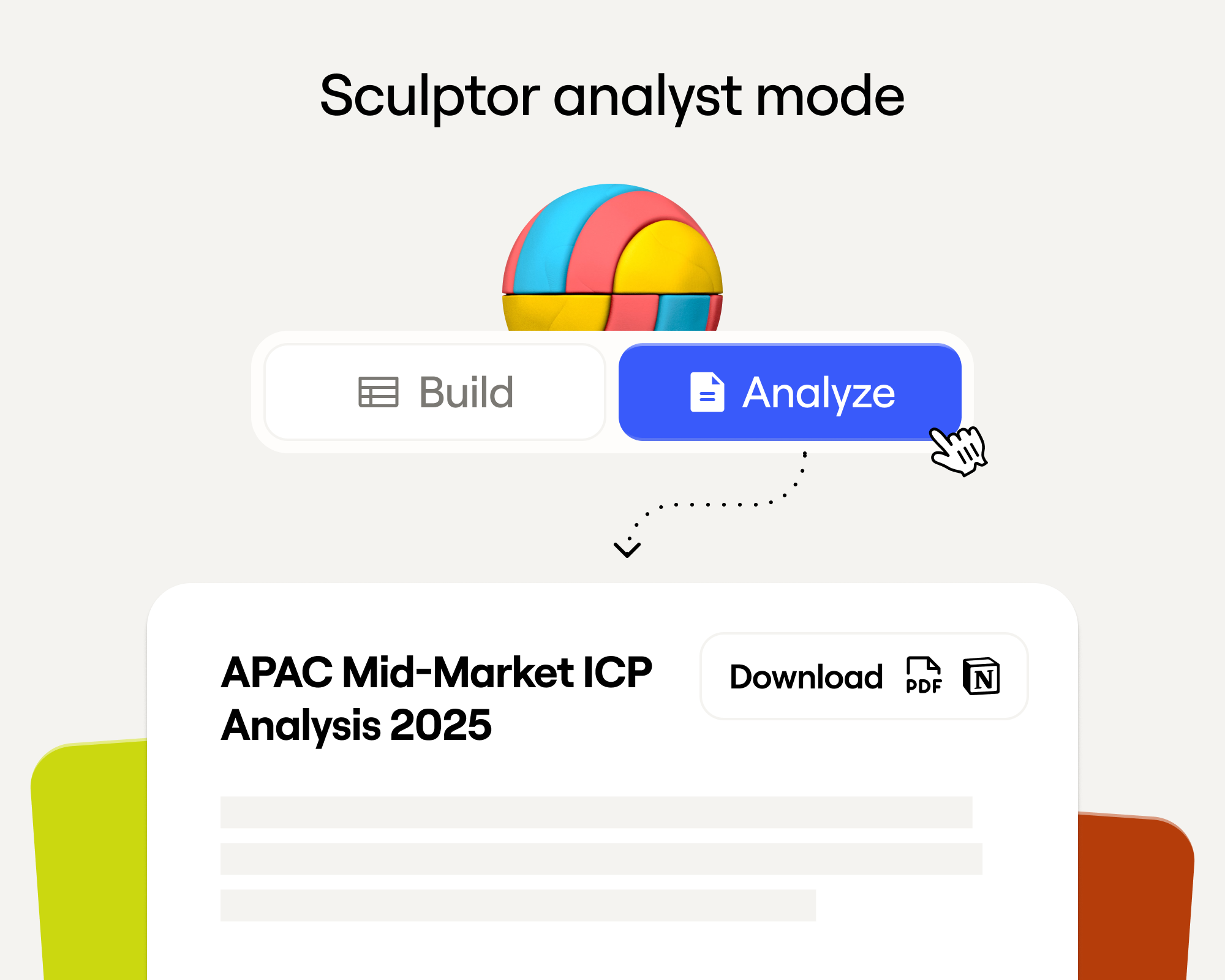
Sculptor Analyst Mode: Turning Context-Rich Data Into Actionable GTM Insights
Аналитический режим Sculptor: превращение данных с богатым контекстом в практические GTM-инсайты

In a place where girls often choose between career or marriage, she carved her own path
Там, где девушки часто выбирают между карьерой и замужеством, она проложила свой путь

How we designed Sculpt
Как мы разработали дизайн Sculpt

Clay announces second employee tender offer in nine months at a $5B valuation
Clay объявляет о втором тендерном предложении для сотрудников за девять месяцев при оценке $5 млрд
Clay is now available as a connector in Claude
Clay теперь доступен как коннектор в Claude
Sellers have a new AI edge: Clay in ChatGPT
У продавцов новое AI-преимущество: Clay в ChatGPT

Clay reaches $100M ARR
Clay достигает $100M ARR

Clay Certifications: Turning mastery into credentials that matter
Сертификации Clay: превращение мастерства в значимые квалификации
Mobile Phone Verification Methodology
Методология верификации мобильных телефонов
Work Email Verification Methodology
Методология верификации рабочих email

Stop Guessing, Start Analyzing: How Sculptor Turns Your GTM Data Into Your Competitive Advantage
Хватит гадать — начните анализировать: как Sculptor превращает ваши GTM-данные в конкурентное преимущество
Find and outreach local businesses with Openmart and Clay Sequencer
Находите локальный бизнес и выходите на контакт с Openmart и Clay Sequencer

Announcing Web Intent
Анонс Web Intent
How Clay Uses Clay: Conversational Data
Как Clay использует Clay: разговорные данные

Sculpting GTM’s future with six major launches
Формируя будущее GTM: шесть крупных запусков

Introducing Claygent Navigator
Представляем Claygent Navigator

Announcing the Clay Partner Program
Анонс партнёрской программы Clay

Introducing GPT-5 in Claygent: sharper research, stronger formulas, better outbound
Представляем GPT-5 в Claygent: более точные исследования, сильные формулы, лучший аутбаунд
Clay Series C announcement. The GTM engineering era begins now
Объявление о раунде Series C Clay. Эра GTM-инжиниринга начинается

Claygent surpasses 1 billion runs
Claygent преодолевает отметку в 1 миллиард запусков

Announcing Sculpt: Clay’s first annual user conference
Анонс Sculpt: первая ежегодная пользовательская конференция Clay
Announcing custom signals at Clay
Анонс кастомных сигналов в Clay

Clay announces employee tender offer led by Sequoia at $1.5B valuation
Clay объявляет о тендерном предложении для сотрудников под руководством Sequoia при оценке $1,5 млрд

Create personalized presentations at scale with Clay and Google Slides
Создавайте персонализированные презентации в масштабе с Clay и Google Slides