2026.21: The Data Center Veto
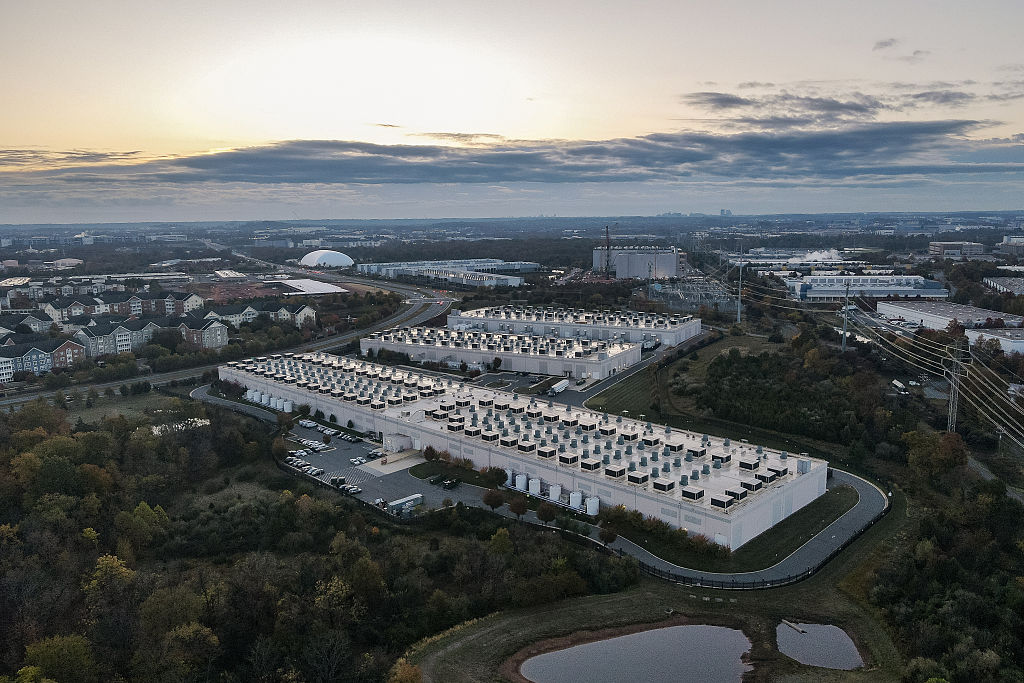
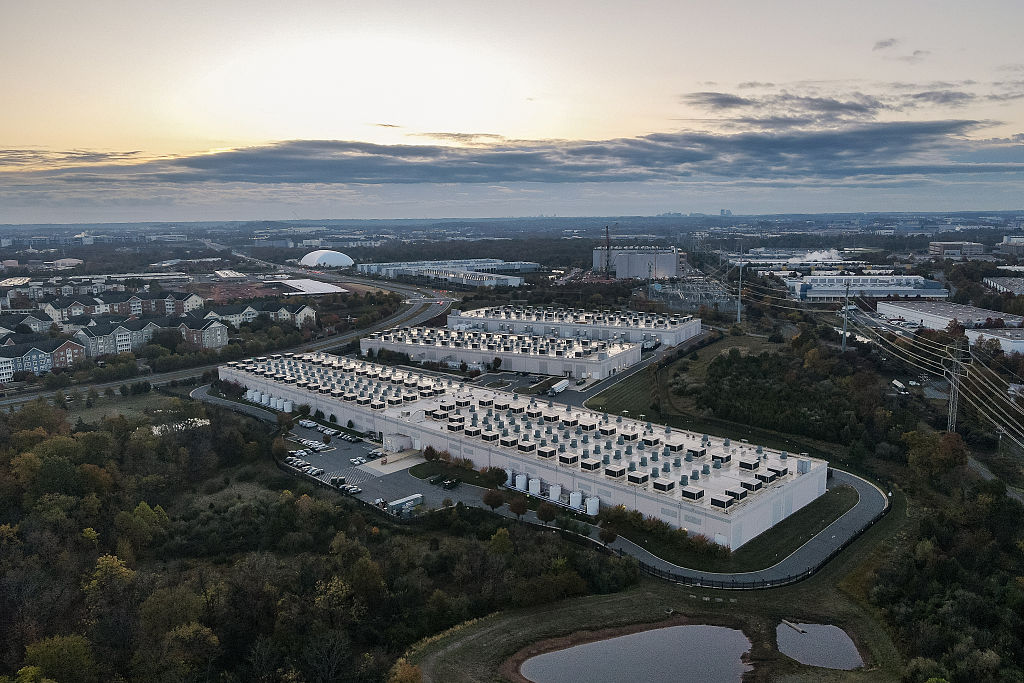
Еженедельный дайджест Stratechery за 21-ю неделю 2026 года фокусируется на растущем сопротивлении строительству дата-центров: Бен Томпсон утверждает, что обычные люди впервые получают право вето над развитием AI, и единственное работающее решение — финансовая компенсация местным сообществам. Второй ключевой материал — интервью с Парагом Агарвалом, бывшим CEO Twitter и основателем Parallel, об экономике контента в эпоху агентного веба и о том, почему рекламные модели больше не подходят. Третья тема — Google I/O: компания разбрасывает «10 видов AI-спагетти», но подход DeepMind к AGI заметно отличается от стратегий OpenAI и Anthropic. Также в выпуске — подкасты Dithering, Asianometry, Sharp China, GOAT и Sharp Tech, плюс видео The Inference Shift.
Welcome back to This Week in Stratechery!
С возвращением в This Week in Stratechery!
As a reminder, each week, every Friday, we’re sending out this overview of content in the Stratechery bundle; highlighted links are free for everyone. Additionally, you have complete control over what we send to you. If you don’t want to receive This Week in Stratechery emails (there is no podcast), please uncheck the box in your delivery settings.
Напоминаем: каждую неделю, по пятницам, мы рассылаем обзор контента из пакета Stratechery; выделенные ссылки доступны бесплатно для всех. Кроме того, вы полностью контролируете то, что мы вам отправляем. Если вы не хотите получать письма This Week in Stratechery (подкаста нет), снимите галочку в настройках доставки.
On that note, here were a few of our favorites this week.
На этой ноте — вот несколько наших фаворитов на этой неделе.
Недовольство дата-центрами. Влияние AI, по крайней мере пока, ощущается в цифровой плоскости: именно там AI полезен, и чем более цифровая профессия, тем сильнее ей угрожают LLM. Однако AI зависит от дата-центров в физическом мире, а для их строительства нужны разрешения. Это даёт обычным людям своего рода право вето над AI, которого у них не было перед лицом глобализации; я излагаю эту точку зрения в понедельничном Update и на Sharp Tech: понять эту динамику важнее, чем пытаться исправлять дезинформацию, которая является симптомом, а не причиной сопротивления дата-центрам. — Ben Thompson
Экономика агентов. Как будет выглядеть интернет, когда рекламные модели устареют из-за смены пользовательского поведения и роста агентного веб-трафика? Бен рассматривал этот вопрос прошлым летом в The Agentic Web and Original Sin, и я с удивлением узнал на этой неделе, что Parag Agarwal, бывший CEO Twitter, теперь занимается поиском решений именно для этой реальности. В интервью Stratechery с Agarwal на этой неделе мы глубоко погружаемся в экономику контента в интернете, в то, почему реклама имеет смысл для людей, почему стимулирование создания контента для агентов будет устроено иначе и как Agarwal и Parallel пытаются решить эти задачи. Я многое почерпнул из этого интервью, и уверен, вы тоже — и не волнуйтесь, мы успели задать пару бонусных вопросов о работе в Twitter. — Andrew Sharp Никогда не списывайте со счетов слизевик. Среднедельный Daily Update о Google I/O напомнил мне знаменитую утёкшую служебную записку о неуправляемой и плохо скоординированной плесени в Маунтин-Вью: компания словно бы кидает в стену десять разных видов AI-спагетти, чтобы посмотреть, что прилипнет. С другой стороны, Google — это компания стоимостью почти 5 триллионов долларов, а её архитектура трансформера дала толчок всей эпохе AI. Именно поэтому, когда Бен подчёркивает, что подход DeepMind к созданию AGI отличается от подходов OpenAI и Anthropic, я вынужден и обратить внимание, и помнить: при всех недочётах и промахах Google у компании в активе действительно немало исторических хитов. — AS
Stratechery Articles and Updates
Статьи и обновления Stratechery
Data Center Discontent, Understanding the Opposition, Fixing the Problem — У людей есть понятные причины противостоять дата-центрам; единственное решение, которое сработает, — просто откупиться от них. Google I/O, World Models, I/O Spaghetti — Google I/O разместил AI повсюду, и в хорошем, и в плохом смысле. Но согласован ли DeepMind с бизнес-целями Google? An Interview with Parallel Founder Parag Agarwal About Valuing Content on the Agentic Web — Интервью с основателем Parallel Парагом Агарвалом об оценке контента и стимулировании его создания в мире агентов (плюс вопросы про Twitter).
Dithering with Ben Thompson and Daring Fireball’s John Gruber
Dithering с Беном Томпсоном и Джоном Грубером из Daring Fireball
Asianometry with Jon Yu
Asianometry с Джоном Ю
The Little Vertical Laser That Everyone Uses Intel’s 30 Years in Costa Rica
Sharp China with Andrew Sharp and Sinocism’s Bill Bishop
Sharp China с Эндрю Шарпом и Биллом Бишопом из Sinocism
Constructing US-China Stability; Trump’s Taiwan Comments and More Summit Takeaways; Putin in China
Greatest of All Talk
Greatest of All Talk
Wemby, Harper and an Instant Classic from the Spurs in Game 1 vs. OKC A Note on the Future of GOAT and An Emergency Top Five
Sharp Tech with Andrew Sharp and Ben Thompson
Sharp Tech с Эндрю Шарпом и Беном Томпсоном
This week’s Stratechery video is on The Inference Shift.
Видео Stratechery на этой неделе посвящено материалу The Inference Shift.