[AINews] OpenAI launches GPT-Image-2
Это выпуск AINews от Latent Space: главная новость дня — запуск OpenAI модели GPT-Image-2 (ChatGPT Images 2.0), которая, по данным Arena, заняла первое место во всех таблицах Image Arena с преимуществом +242 Elo в text-to-image и сильна в рендеринге текста, вёрстке и редактировании; её уже интегрируют Figma, Canva, Firefly и fal. Отдельно отмечена сделка Cursor с xAI на $60B (с контрактом на $10B и правом выкупа). Большой раздел посвящён открытым моделям: Kimi K2.6 (1T-параметрическая MoE) позиционируют как замену Opus 4.7, способную выполнять ~85% задач, плюс Moonshot выложила кернелы FlashKDA с ускорением prefill в 1,72–2,22×. Hugging Face представила открытого агента ml-intern, автоматизирующего цикл post-training-исследований, а Google обновила Deep Research и Deep Research Max на Gemini 3.1 Pro с результатами 93,3% на DeepSearchQA и 85,9% на BrowseComp. Reddit-разделы обсуждают Kimi K2.6, Gemma 4 (включая жёсткие safety-фильтры) и Qwen 3.6, отражая растущую конкурентоспособность open-weight моделей.
[AINews] OpenAI launches GPT-Image-2
[AINews] OpenAI запускает GPT-Image-2
with Cursor getting a $10B contract with xAI and a right to acquire for $60B.
А Cursor получает контракт на $10B с xAI и право на выкуп за $60B.
Cursor’s $60B deal with Xai today nearly took headline story, but given that it is a purely financial story (some plausible analysis here on motivations), we are giving title story to OpenAI’s big launch today of GPT-Image-2.
Сегодняшняя сделка Cursor с xAI на $60B едва не стала главной новостью, но поскольку это чисто финансовая история (правдоподобный разбор мотивов здесь), мы отдаём заглавный материал крупному сегодняшнему запуску OpenAI — GPT-Image-2.
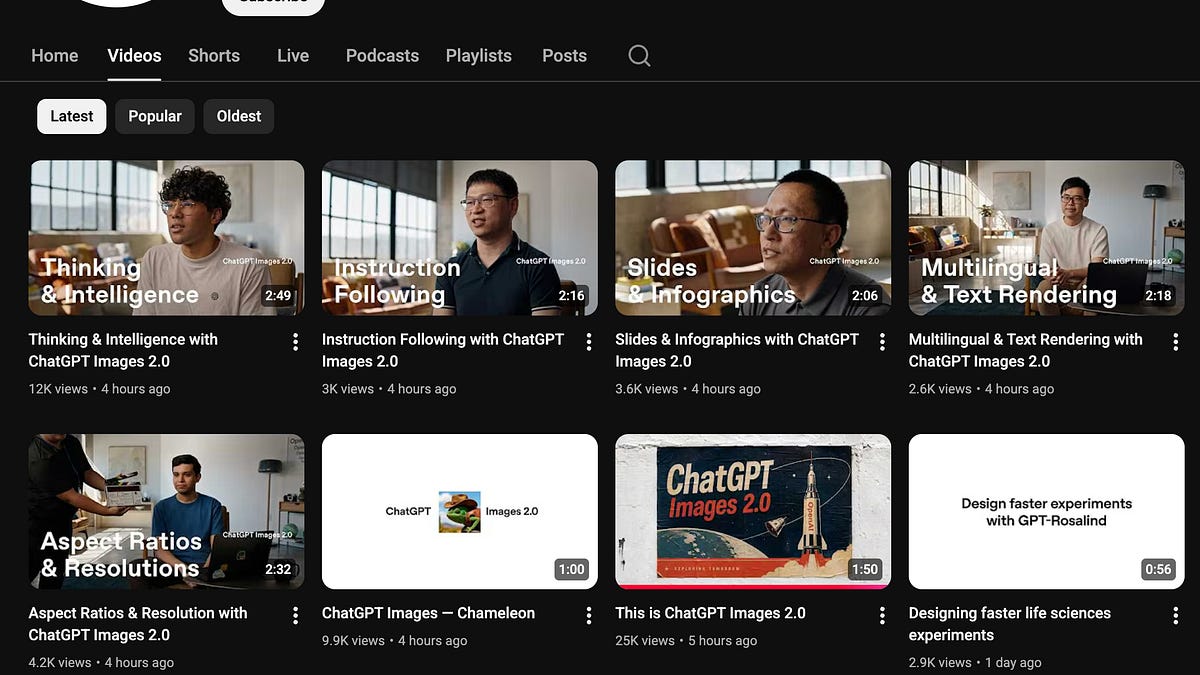
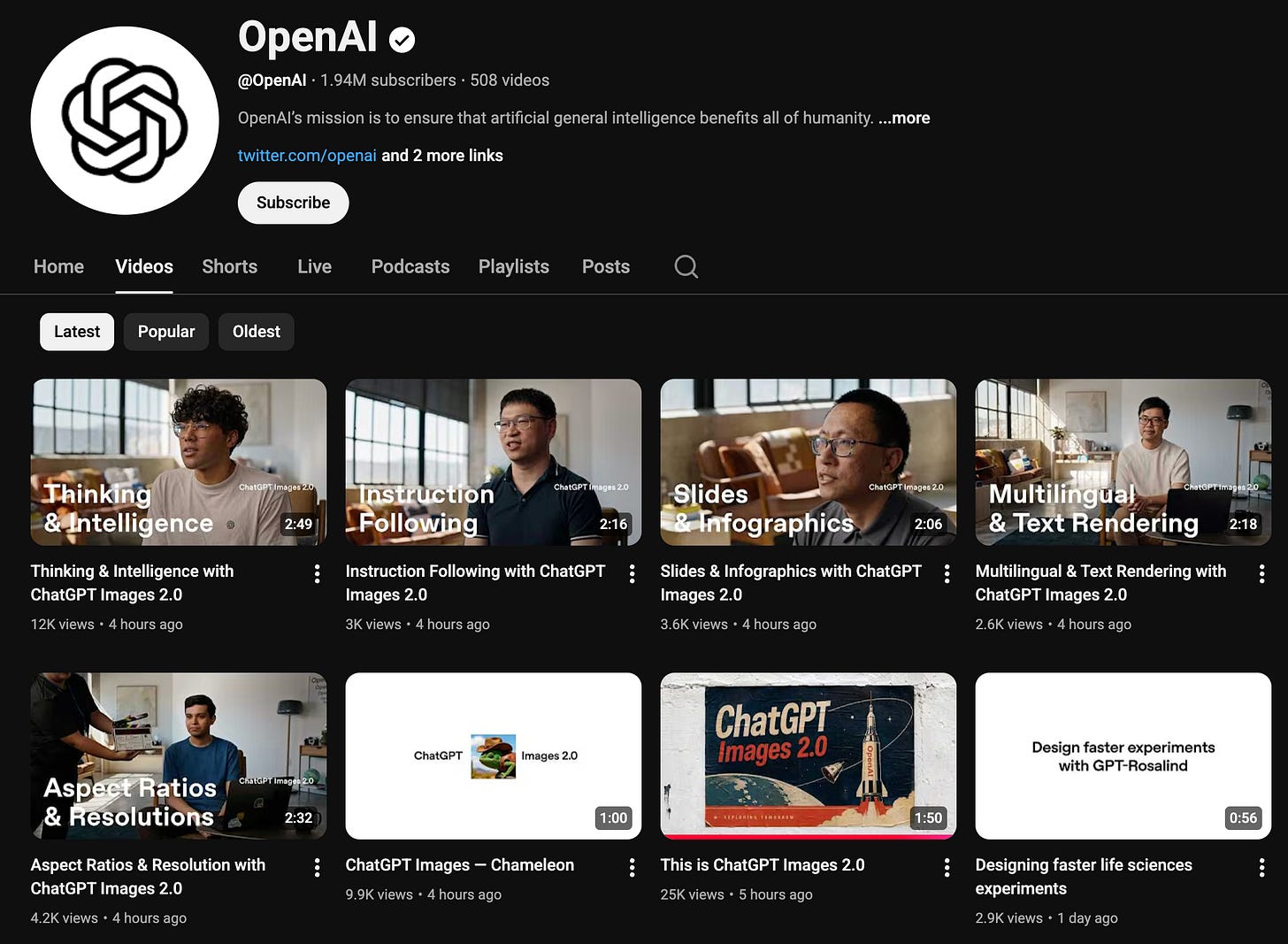
After weeks of speculation as a stealth model on Arena (confirmed), GPT-Image-2 is live on API and ChatGPT and looks to leapfrog Nano Banana 2 in the Imagegen space, with both Thinking and nonthinking variants. This comes after a rumored “focus” sprint that involved the shutdown and departure of the Sora team, so it is both heartening and somewhat surprising that Imagegen is still a priority for OpenAI. Thankfully, the model is very, very, very good. By nature, you should check out the 8 videos that the team has prepared, as well as the blogpost and the livestream and the tweet/blogpost.
После нескольких недель спекуляций в роли стелс-модели на Arena (подтверждено) GPT-Image-2 теперь доступна через API и в ChatGPT и, похоже, обходит Nano Banana 2 в сфере генерации изображений — в вариантах с Thinking и без него. Это произошло после слухов о спринте «focus», который включал закрытие и уход команды Sora, так что одновременно и обнадёживает, и несколько удивляет, что генерация изображений по-прежнему в приоритете у OpenAI. К счастью, модель очень, очень, очень хороша. По своей сути вам стоит посмотреть 8 видео, которые подготовила команда, а также блогпост, лайвстрим и твит/блогпост.
If we were to pick a single most impressive demonstration, it’d be the level of text detail and consistency in the matrix example.
Если бы нужно было выбрать одну самую впечатляющую демонстрацию, это был бы уровень детализации и согласованности текста в примере с матрицей.
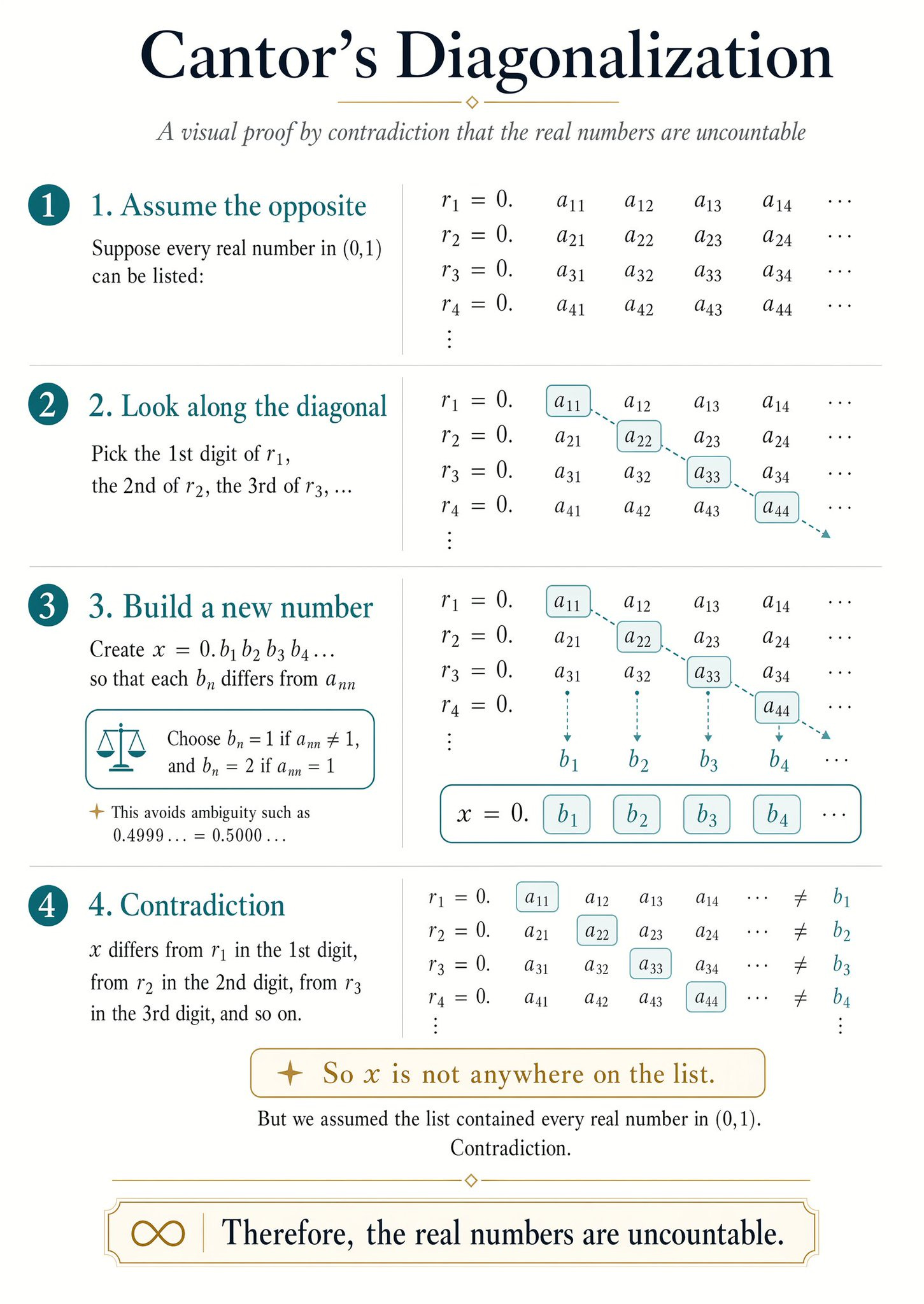
или кастомный «Где Уолли»:

AI News for 4/20/2026-4/21/2026. We checked 12 subreddits, 544 Twitters and no further Discords. AINews’ website lets you search all past issues. As a reminder, AINews is now a section of Latent Space. You can opt in/out of email frequencies!
AI News за 20.04.2026–21.04.2026. Мы проверили 12 сабреддитов, 544 твиттера и больше никаких Discord. Сайт AINews позволяет искать по всем прошлым выпускам. Напоминаем, что AINews теперь является разделом Latent Space. Вы можете подписаться/отписаться от частоты рассылок!
AI Twitter Recap
Обзор AI-Twitter
OpenAI’s GPT-Image-2 Launch and the Return of Image Generation as a Serious Product Surface
Запуск GPT-Image-2 от OpenAI и возвращение генерации изображений как серьёзной продуктовой плоскости
GPT-Image-2 is the day’s clearest product launch: OpenAI rolled out ChatGPT Images 2.0 and the underlying gpt-image-2 model across ChatGPT, Codex, and API, emphasizing stronger text rendering, layout fidelity, editing, multilingual support, and “thinking” for images. OpenAI says the model can search the web when paired with a thinking model, generate multiple candidates, self-check outputs, and produce artifacts like slides, infographics, diagrams, UI mockups, and QR codes (launch thread, thinking/image capabilities, availability, API post). The model is already being integrated by downstream tools including Figma, Canva, Firefly, fal, and Hermes Agent.
Benchmarks suggest a large jump, especially on practical image tasks: Arena reports #1 across all Image Arena leaderboards for GPT-Image-2, including 1512 on text-to-image, 1513 on single-image edit, and 1464 on multi-image edit, with a striking +242 Elo lead on text-to-image over the next model (Arena summary, category breakdown, trend chart). Independent reactions converged on the same theme: this is not merely prettier art, but a more usable model for UI, mockups, documentation, productivity visuals, and reference-driven design loops (@gdb, @nickaturley, @mark_k, @petergostev). The most interesting systems implication is that image generation is becoming a front-end for coding agents: generate a UI spec as an image, then have Codex or another code agent implement against that visual reference.
GPT-Image-2 — самый явный продуктовый запуск дня: OpenAI выкатила ChatGPT Images 2.0 и лежащую в основе модель gpt-image-2 в ChatGPT, Codex и API, делая упор на улучшенный рендеринг текста, точность вёрстки, редактирование, многоязычную поддержку и «мышление» для изображений. По словам OpenAI, модель может искать в вебе в связке с thinking-моделью, генерировать несколько кандидатов, самостоятельно проверять результаты и создавать такие артефакты, как слайды, инфографику, диаграммы, UI-макеты и QR-коды (тред запуска, возможности thinking/изображений, доступность, пост про API). Модель уже интегрируют сторонние инструменты, включая Figma, Canva, Firefly, fal и Hermes Agent.Бенчмарки указывают на большой скачок, особенно в практических задачах с изображениями: Arena сообщает о 1-м месте по всем таблицам Image Arena для GPT-Image-2, включая 1512 в text-to-image, 1513 в редактировании одного изображения и 1464 в редактировании нескольких изображений, с поразительным отрывом в +242 Elo в text-to-image от следующей модели (сводка Arena, разбивка по категориям, график тренда). Независимые реакции сошлись на одной теме: это не просто более красивые картинки, а более пригодная для работы модель для UI, макетов, документации, продуктивных визуалов и циклов дизайна на основе референсов (@gdb, @nickaturley, @mark_k, @petergostev). Самое интересное системное следствие в том, что генерация изображений становится фронтендом для кодинг-агентов: сгенерировать спецификацию UI как изображение, а затем поручить Codex или другому код-агенту реализовать её по этому визуальному референсу.
Agent Infrastructure: Hugging Face’s ml-intern, Hermes Expansion, and the Rise of Research/Runtime Harnesses
Инфраструктура агентов: ml-intern от Hugging Face, расширение Hermes и подъём исследовательских/рантайм-харнессов
Hugging Face’s ml-intern is the strongest open agent-in-the-loop release in the set: HF introduced ml-intern, an open-source agent that automates the post-training research loop: reading papers, following citation graphs, collecting/reformatting datasets, launching training jobs, evaluating runs, and iterating on failures (announcement, supporting post from @lewtun, Clement’s framing). Reported examples are notable because they are end-to-end loops, not just coding demos: GPQA scientific reasoning improved 10% → 32% in under 10h on Qwen3-1.7B, a healthcare setup reportedly beat Codex on HealthBench by 60%, and a math setup wrote a full GRPO script and recovered from reward collapse via ablations. Community tests quickly showed it can autonomously fine-tune and publish artifacts back to the Hub (example run on SAM finetuning).
Hermes is evolving toward a richer local/open agent platform: Several tweets point to Hermes’ momentum as a practical open agent stack: a beginner guide generated by a Hermes agent itself, native support in Skillkit, a new macOS GUI called Scarf, and expanding use in local workflows. The most technically meaningful update is from @Teknium: Hermes subagents now support both greater spawn width and recursive spawn depth, enabling deeper hierarchical decomposition. This aligns with the broader shift from “single chat loop” agents to multi-process orchestrated systems with memory, tools, permissions, and reusable skills.
Harnesses are becoming first-class engineering artifacts: A recurring theme across tweets is that the useful part of agent systems is increasingly the runtime/harness, not the base model alone. DSPy 3.2 shipped RLM improvements plus optimizer chaining and LiteLLM decoupling (release); Isaac Flath argued RLM makes notebooks relevant again as a REPL-native trace/eval interface (tweet); LangChain added custom auth for deepagents deploy (update); and a paper-summary thread on Claude Code emphasized that most of the system is harness logic rather than raw “intelligence” (summary).
ml-intern от Hugging Face — сильнейший открытый релиз в категории «агент в контуре» из всей подборки: HF представила ml-intern, опенсорсного агента, который автоматизирует исследовательский цикл post-training: чтение статей, прослеживание графов цитирований, сбор/переформатирование датасетов, запуск обучающих задач, оценку прогонов и итерации на основе ошибок (анонс, сопроводительный пост от @lewtun, формулировка Clement). Приведённые примеры примечательны тем, что это сквозные циклы, а не просто демки кодинга: научное рассуждение GPQA улучшилось с 10% до 32% менее чем за 10 часов на Qwen3-1.7B, конфигурация для здравоохранения, по сообщениям, обошла Codex на HealthBench на 60%, а математическая конфигурация написала полный скрипт GRPO и восстановилась после коллапса вознаграждения через абляции. Тесты сообщества быстро показали, что он может автономно дообучать модели и публиковать артефакты обратно на Hub (пример прогона по дообучению SAM).Hermes эволюционирует в более богатую локальную/открытую агентную платформу: несколько твитов указывают на импульс Hermes как практичного открытого агентного стека: гайд для начинающих, сгенерированный самим агентом Hermes, нативная поддержка в Skillkit, новый GUI для macOS под названием Scarf и расширяющееся применение в локальных рабочих процессах. Самое технически значимое обновление — от @Teknium: субагенты Hermes теперь поддерживают как большую ширину порождения, так и рекурсивную глубину порождения, что позволяет более глубокую иерархическую декомпозицию. Это согласуется с более широким сдвигом от агентов с «единым чат-циклом» к многопроцессным оркестрируемым системам с памятью, инструментами, разрешениями и переиспользуемыми навыками.Харнессы становятся первоклассными инженерными артефактами: повторяющаяся тема в твитах — что полезная часть агентных систем всё больше состоит из рантайма/харнесса, а не только из базовой модели. DSPy 3.2 выпустила улучшения RLM плюс цепочку оптимизаторов и развязку с LiteLLM (релиз); Isaac Flath утверждал, что RLM снова делает ноутбуки актуальными как REPL-нативный интерфейс трейсинга/оценки (твит); LangChain добавила кастомную аутентификацию для деплоя deepagents (обновление); а тред с разбором статьи про Claude Code подчёркивал, что большая часть системы — это логика харнесса, а не «сырой интеллект» (сводка).
Kimi K2.6, KDA Kernels, and Open-Weight Coding Models Getting More Systems-Credible
Kimi K2.6, кернелы KDA и open-weight кодинг-модели становятся всё более убедительными на системном уровне
Moonshot pushed both model capability and kernel infrastructure: The flagship Kimi thread claims K2.6 completed long-horizon coding tasks with sustained autonomy: one run downloaded and optimized Qwen3.5-0.8B inference in Zig over 4,000+ tool calls and 12+ hours, improving throughput from ~15 tok/s to ~193 tok/s, ending ~20% faster than LM Studio (thread). Another run reportedly reworked an exchange engine over 1,000+ tool calls and 4,000+ LOC changes, achieving 185% medium-throughput and 133% peak-throughput gains (second thread). These are still vendor demos, but they are much closer to systems work than benchmark screenshots.
Kimi also open-sourced performance-critical infra: Moonshot released FlashKDA, a CUTLASS-based implementation of Kimi Delta Attention kernels, claiming 1.72×–2.22× prefill speedup over the flash-linear-attention baseline on H20 and compatibility as a drop-in backend for flash-linear-attention (release). External follow-up reported K2.6 + DFlash at 508 tok/s on 8x MI300X, a 5.6× throughput improvement over a baseline autoregressive setup (HotAisle). Together with ongoing discussion of DSA/MLA/KDA variants, the key signal is that Chinese labs are not just shipping weights; they are increasingly publishing attention/kernel-level optimizations with real deployment impact.
Open-weight coding quality is improving, but there’s still disagreement on parity: Some users now treat Kimi K2.6 as the best open-source/open-weight coding/agentic model (@scaling01, Windsurf availability), while others pushed back that frontier proprietary models still hold large leads on WeirdML, long-horizon tasks, and reliability (@scaling01 critique, gap on WeirdML). The substantive takeaway is less “open has caught up” than that open-weight models are now credible enough that infra, harness, and deployment quality determine a lot of real-world value.
Moonshot продвинула и возможности модели, и кернельную инфраструктуру: флагманский тред Kimi утверждает, что K2.6 выполнила долгогоризонтные кодинг-задачи с устойчивой автономностью: один прогон скачал и оптимизировал инференс Qwen3.5-0.8B на Zig за 4000+ вызовов инструментов и 12+ часов, повысив пропускную способность с ~15 ток/с до ~193 ток/с и завершив ~на 20% быстрее, чем LM Studio (тред). Другой прогон, по сообщениям, переработал движок биржи за 1000+ вызовов инструментов и 4000+ изменений строк кода, добившись прироста 185% средней пропускной способности и 133% пиковой (второй тред). Это всё ещё вендорские демки, но они куда ближе к системной работе, чем скриншоты бенчмарков.Kimi также выложила в опенсорс критичную для производительности инфраструктуру: Moonshot выпустила FlashKDA, реализацию кернелов Kimi Delta Attention на основе CUTLASS, заявляя об ускорении prefill в 1,72×–2,22× по сравнению с базлайном flash-linear-attention на H20 и совместимости в качестве drop-in бэкенда для flash-linear-attention (релиз). Внешнее продолжение сообщило о K2.6 + DFlash на 508 ток/с на 8x MI300X — улучшении пропускной способности в 5,6× по сравнению с базовой авторегрессионной конфигурацией (HotAisle). Вместе с продолжающимся обсуждением вариантов DSA/MLA/KDA ключевой сигнал в том, что китайские лаборатории не просто выпускают веса — они всё чаще публикуют оптимизации на уровне attention/кернелов с реальным влиянием на деплой.Качество open-weight кодинга растёт, но насчёт паритета всё ещё нет согласия: некоторые пользователи теперь считают Kimi K2.6 лучшей open-source/open-weight кодинг/агентной моделью (@scaling01, доступность в Windsurf), тогда как другие возражали, что фронтирные проприетарные модели по-прежнему сохраняют большой отрыв в WeirdML, долгогоризонтных задачах и надёжности (критика @scaling01, разрыв на WeirdML). Содержательный вывод не столько «open догнал», сколько в том, что open-weight модели теперь достаточно убедительны, и инфраструктура, харнесс и качество деплоя определяют значительную часть реальной ценности.
Deep Research Systems: Google Extends the Research-Agent Frontier
Системы Deep Research: Google расширяет фронтир исследовательских агентов
Google upgraded Deep Research into a more configurable API primitive: Google/DeepMind launched updated Deep Research and Deep Research Max via the Gemini API, powered by Gemini 3.1 Pro, with collaborative planning, arbitrary MCP support, multimodal inputs (PDF/CSV/image/audio/video), code execution, native chart/infographic generation, and real-time progress streaming (Google thread, feature details, Sundar post, developer API post).
The benchmark numbers are strong enough to matter commercially: Google highlighted 93.3% on DeepSearchQA, 85.9% on BrowseComp, and 54.6% on HLE for the Max variant (Sundar, Phil Schmid summary). More important than the raw scores is the workflow design: Google is clearly productizing “overnight due diligence / analyst report generation” and making MCP-backed internal data access a standard part of research agents. This also shows a widening split between simple browse agents and full-stack research agents that plan, search, execute code, generate visuals, and ground over proprietary corpora.
Google обновила Deep Research до более конфигурируемого API-примитива: Google/DeepMind запустили обновлённые Deep Research и Deep Research Max через Gemini API на базе Gemini 3.1 Pro, с совместным планированием, поддержкой произвольных MCP, мультимодальными входами (PDF/CSV/изображение/аудио/видео), исполнением кода, нативной генерацией диаграмм/инфографики и стримингом прогресса в реальном времени (тред Google, детали возможностей, пост Sundar, пост про API для разработчиков).Цифры бенчмарков достаточно сильны, чтобы иметь коммерческое значение: Google отметила 93,3% на DeepSearchQA, 85,9% на BrowseComp и 54,6% на HLE для варианта Max (Sundar, сводка Phil Schmid). Важнее самих цифр — дизайн рабочего процесса: Google явно продуктизирует «ночной due diligence / генерацию аналитических отчётов» и делает доступ к внутренним данным через MCP стандартной частью исследовательских агентов. Это также показывает расширяющийся раскол между простыми браузинг-агентами и полноценными исследовательскими агентами, которые планируют, ищут, исполняют код, генерируют визуалы и опираются на проприетарные корпуса.
Retrieval, Data, and Evaluation: Open Releases with Real Engineering Value
Поиск, данные и оценка: открытые релизы с реальной инженерной ценностью
Retrieval saw a meaningful open release from LightOn: LightOn released LateOn and DenseOn, both 149M-parameter retrieval models under Apache 2.0, reporting 57.22 NDCG@10 on BEIR for LateOn (multi-vector/ColBERT style) and 56.20 for DenseOn (dense single-vector), beating models up to 4× larger (model release, overview). They also published a consolidated dataset release with 1.4B query-document pairs and a refreshed web dataset built on FineWeb-Edu (dataset post).
vLLM shipped a practical deployment knowledge layer: The redesign of recipes.vllm.ai is more useful than it sounds. It maps model pages to runnable deployment recipes, includes an interactive command builder, supports NVIDIA and AMD, covers tensor/expert/data parallel variants, and exposes a JSON API for agents. This is exactly the kind of infra documentation layer that reduces operator friction for serving new open models.
Benchmarks are increasingly probing agent blind spots, not just task outputs: Notable examples include ParseBench for chart understanding inside real enterprise documents (LlamaIndex, Jerry Liu details) and a new result showing agents often ignore explicit environment clues, even when the solution is literally exposed in a file or endpoint (paper thread). Google Research’s ReasoningBank also fits this theme, framing memory as learning from both successful and failed trajectories (tweet).
В сфере поиска заметный открытый релиз сделала LightOn: LightOn выпустила LateOn и DenseOn — обе модели поиска на 149M параметров под лицензией Apache 2.0, с показателями 57,22 NDCG@10 на BEIR для LateOn (мультивекторная/ColBERT-подобная) и 56,20 для DenseOn (плотная одновекторная), что превосходит модели до 4× крупнее (релиз модели, обзор). Они также опубликовали консолидированный релиз датасета с 1,4B пар запрос-документ и обновлённый веб-датасет на основе FineWeb-Edu (пост о датасете).vLLM выпустила практичный слой знаний о деплое: редизайн recipes.vllm.ai полезнее, чем звучит. Он сопоставляет страницы моделей с готовыми к запуску рецептами деплоя, включает интерактивный конструктор команд, поддерживает NVIDIA и AMD, охватывает варианты tensor/expert/data parallel и предоставляет JSON API для агентов. Это именно тот слой инфраструктурной документации, который снижает трение для операторов при разворачивании новых открытых моделей.Бенчмарки всё чаще проверяют слепые зоны агентов, а не только выходные результаты задач: заметные примеры включают ParseBench для понимания диаграмм внутри реальных корпоративных документов (LlamaIndex, детали от Jerry Liu) и новый результат, показывающий, что агенты часто игнорируют явные подсказки окружения, даже когда решение буквально лежит в файле или эндпоинте (тред о статье). ReasoningBank от Google Research тоже вписывается в эту тему, представляя память как обучение и на успешных, и на неудачных траекториях (твит).
Top tweets (by engagement)
Топ-твиты (по вовлечённости)
OpenAI’s image launch: “Introducing ChatGPT Images 2.0” was the dominant technical launch tweet, backed by a deep feature thread and rapid downstream integrations.
HF ml-intern: @akseljoonas had the standout agent/research-loop release of the day.
Gemma local concurrency demo: @googlegemma showed Gemma 4 26B A4B handling 10+ concurrent requests at ~18 tok/s/request on an M4 Max, a useful datapoint for local-serving economics.
Deep Research Max: @sundarpichai and @Google pushed a materially stronger research-agent API surface.
Kimi kernel release: FlashKDA was one of the more substantial open infra drops in the model-serving stack.
Open-source policy warning: @ClementDelangue warned of renewed lobbying to restrict open-source AI, one of the few policy tweets with direct implications for builders.
Запуск изображений от OpenAI: «Представляем ChatGPT Images 2.0» был доминирующим твитом технического запуска, подкреплённым подробным тредом о возможностях и быстрыми сторонними интеграциями.HF ml-intern: у @akseljoonas был выдающийся релиз дня в категории агент/исследовательский цикл.Демо локальной конкурентности Gemma: @googlegemma показала, как Gemma 4 26B A4B обрабатывает 10+ параллельных запросов на ~18 ток/с на запрос на M4 Max — полезный датапоинт для экономики локального сервинга.Deep Research Max: @sundarpichai и @Google представили заметно более сильную API-плоскость исследовательских агентов.Релиз кернела Kimi: FlashKDA стал одним из наиболее значимых открытых инфраструктурных релизов в стеке сервинга моделей.Предупреждение о политике опенсорса: @ClementDelangue предупредил о возобновлении лоббирования ограничений открытого ИИ — один из немногих твитов о политике с прямыми последствиями для разработчиков.
AI Reddit Recap
Обзор AI-Reddit
/r/LocalLlama + /r/localLLM Recap
Обзор /r/LocalLlama + /r/localLLM
1. Kimi K2.6 Model Launch and Benchmarks
1. Запуск модели Kimi K2.6 и бенчмарки
Claude Code removed from Claude Pro plan - better time than ever to switch to Local Models. (Activity: 349): The image provides a comparison chart of different subscription plans for a service called “Claude,” highlighting the removal of the “Claude Code” feature from the Pro plan. This change is significant as it suggests a shift in the service’s offerings, potentially prompting users to consider alternative local models like Kimi K2.6 or Qwen 3.6 35B A3B. The post discusses the cost-effectiveness of switching to these local models, emphasizing the value of the OpenCode Go coding plan, which offers more tokens for a lower price compared to the Claude Pro plan. Commenters express disbelief and frustration over the removal of the “Claude Code” feature from the Pro plan, with some suggesting it might be a mistake and others urging the company to address the issue on their product page.
korino11 raises a cost-benefit analysis comparing the $20 open code plan to a $19 plan on Kimi, suggesting that the latter might offer better value. This implies a need for users to evaluate the cost-effectiveness of different AI model subscriptions, especially when features are removed or altered.
Apart_Ebb_9867 points out a potential issue with the information on the official Claude product page, suggesting that the page might need updating or correction. This highlights the importance of accurate and up-to-date documentation for users relying on specific features.
The-Communist-Cat mentions the lack of online references to the removal of Claude Code from the Pro plan, indicating that there might be misinformation or a delay in communication from the company. This underscores the need for clear and timely updates from service providers to avoid confusion among users.
Kimi K2.6 is a legit Opus 4.7 replacement (Activity: 1632): Kimi K2.6 is being positioned as a viable replacement for Opus 4.7, capable of performing 85% of Opus’s tasks with reasonable quality. While it doesn’t surpass Opus 4.7 in any specific area, Kimi K2.6 offers additional capabilities such as vision and effective browser use, making it suitable for long-term tasks. Despite its large size, it suggests that frontier LLMs like Opus 4.7 may not be offering significant new advancements. The model’s local deployment is highlighted as a benefit, avoiding issues like usage limits. Commenters express skepticism about the rapid testing and recommendation process, noting that thorough testing typically takes longer. There’s also a discussion on the affordability of local models, with some users expressing frustration over high costs.
InterstellarReddit highlights the rapid testing and deployment process of Kimi K2.6, noting that the original poster managed to test and recommend the model to customers within just two hours. This is contrasted with their own company’s process, which involves a week-long evaluation by four engineers before customer testing. This underscores the efficiency and agility possible with smaller teams or individual developers in AI model deployment.
Technical-Earth-3254 suggests that if Kimi K2.6 achieves 85% of Opus’s performance, it could potentially serve as a full replacement for Sonnet models. This implies a significant performance benchmark where Kimi K2.6 is seen as a viable alternative to existing models, offering similar capabilities at potentially lower costs or resource requirements.
Blablabene discusses the impact of local AI models like Kimi K2.6 on the market, emphasizing that they exert pressure on proprietary models to reduce costs. The comment also notes the current high expense of running models locally, but anticipates increased accessibility in the future as technology advances and costs decrease.
Opus 4.7 Max subscriber. Switching to Kimi 2.6 (Activity: 386): The post discusses a transition from Opus 4.7 Max to Kimi 2.6 due to performance and cost issues. The user notes that Opus 4.7 has become ‘lazy’ and expensive, prompting a switch to Kimi 2.6, which is described as fast and pleasurable despite its smaller context size. The user highlights that Kimi 2.6 manages its smaller context effectively, suggesting improvements in handling tool outputs. A pull request was submitted to improve Kimi’s integration with Forge (GitHub PR). Comments suggest skepticism about the sustainability of investments in proprietary models like those from Anthropic and OpenAI, as open models like Kimi are becoming competitive. There’s also a debate on the potential of Chinese models, with Kimi being a 1T model compared to Opus’s 5T, indicating a shift in competitive dynamics.
Worried-Squirrel2023 highlights a critical issue with Opus 4.7, noting its tendency to ‘stop mid-task or wrap things up before they’re actually done,’ which they describe as ‘laziness.’ This suggests a problem with task completion reliability, which can be a significant drawback in real-world applications. They also mention that Kimi’s smaller context window is less problematic compared to Opus’s commitment issues, and they are particularly interested in the ‘tool calling reliability’ where they see a notable difference between Kimi and Opus.
sb5550 points out the stark difference in model size between Kimi and Opus, with Kimi being a ‘1T model’ and Opus a ‘5T model.’ This comparison underscores the efficiency and potential of smaller models like Kimi, especially when considering that Chinese models might not be lagging behind but could potentially be leading in AI development. This raises questions about the scalability and performance efficiency of smaller models in comparison to larger ones.
Ok-Contest-5856 discusses the financial implications for private equity investments in proprietary models like those from Anthropic and OpenAI, suggesting that open models like Kimi, which are ‘neck and neck and way cheaper,’ could pose a significant threat. They speculate that open models might even surpass proprietary ones in the future, indicating a shift in the competitive landscape of AI development.
Kimi K2.6 Released (huggingface) (Activity: 1386): Kimi K2.6, released by Hugging Face, is a cutting-edge open-source multimodal AI model optimized for long-horizon coding and autonomous task orchestration. It employs a Mixture-of-Experts architecture with 1 trillion parameters, enabling it to transform prompts into production-ready interfaces and execute complex coding tasks across multiple languages. The model supports up to 300 sub-agents for parallel task execution and shows superior performance in benchmarks, particularly in proactive orchestration and deployment on platforms like vLLM and SGLang. More details can be found in the original article. Commenters noted the impressive scale of 1.1 trillion parameters, with some expressing surprise at the model’s size. There is also mention of Cursor’s Composer 2.1 model beginning its training, indicating ongoing advancements in the field.
ResidentPositive4122 highlights that the Kimi K2.6 release includes both the code repository and model weights under a Modified MIT License. This license maintains the core ‘do whatever you want’ ethos of MIT but requires attribution if used by large corporations, which is a significant point for developers considering integration or modification of the model.
LagOps91 expresses interest in the potential real-world performance of the Kimi K2.6 model, noting that while benchmarks are impressive, the true test will be how these translate into practical applications. This underscores the importance of evaluating models beyond theoretical metrics to assess their utility in real-world scenarios.
Kimi K2.6 (Activity: 570): The image presents a benchmark comparison of AI models, highlighting Kimi K2.6’s performance across various tasks against other models like GPT-5.4, Claude Opus 4.6, and Gemini 3.1 Pro. Kimi K2.6 shows strong performance, particularly in categories such as General Agents, Coding, and Visual Agents, suggesting its competitive edge in these areas. The chart underscores Kimi K2.6’s capability, especially in tasks like “Humanity’s Last Exam” and “DeepSearchQA,” where it scores highly, indicating its potential as a robust AI model. Commenters note the significance of Kimi K2.6’s performance, especially in coding, and express surprise at its competitiveness with closed-source models. There is also a mention of Kimi’s vendor verifier, which standardizes third-party service evaluations, highlighting its importance in the AI ecosystem.
The Kimi K2.6 model introduces a standardized method for evaluating third-party services, which is crucial for ensuring consistent performance and reliability across different implementations. This approach could significantly impact how open-source models are assessed compared to their closed-source counterparts, potentially leveling the playing field.
There is a notable anticipation that Kimi K2.6 might outperform Opus, a competing model. Despite its large size, the community is hopeful that Kimi K2.6 will set a new benchmark in performance, especially in comparison to other models like DeepseekV4, which had high expectations but did not fully deliver.
The release of Kimi K2.6 has raised expectations for future models, such as GLM-5.1, by setting a high standard in the open-source community. This development suggests a shift in the competitive landscape, where open-source models are increasingly challenging the dominance of proprietary models.
Claude Code убрали из плана Claude Pro — лучшее время, чем когда-либо, чтобы перейти на локальные модели. (Активность: 349): На изображении приведена сравнительная таблица разных планов подписки сервиса под названием «Claude», подчёркивающая удаление функции «Claude Code» из плана Pro. Это изменение значимо, так как намекает на сдвиг в предложениях сервиса, потенциально побуждая пользователей рассмотреть альтернативные локальные модели вроде Kimi K2.6 или Qwen 3.6 35B A3B. В посте обсуждается экономическая выгода перехода на эти локальные модели, подчёркивается ценность кодинг-плана OpenCode Go, который предлагает больше токенов за меньшую цену по сравнению с планом Claude Pro. Комментаторы выражают недоверие и недовольство по поводу удаления функции «Claude Code» из плана Pro, некоторые предполагают, что это может быть ошибкой, а другие призывают компанию решить проблему на странице продукта.korino11 поднимает анализ затрат и выгод, сравнивая план open code за $20 с планом за $19 у Kimi, предполагая, что последний может предложить лучшую ценность. Это намекает на необходимость для пользователей оценивать экономическую выгоду разных подписок на ИИ-модели, особенно когда функции удаляются или изменяются.Apart_Ebb_9867 указывает на потенциальную проблему с информацией на официальной странице продукта Claude, предполагая, что страница может нуждаться в обновлении или исправлении. Это подчёркивает важность точной и актуальной документации для пользователей, полагающихся на конкретные функции.The-Communist-Cat упоминает отсутствие онлайн-упоминаний об удалении Claude Code из плана Pro, что указывает на возможную дезинформацию или задержку в коммуникации со стороны компании. Это подчёркивает необходимость ясных и своевременных обновлений от поставщиков сервисов, чтобы избежать путаницы у пользователей.Kimi K2.6 — это настоящая замена Opus 4.7 (Активность: 1632): Kimi K2.6 позиционируется как жизнеспособная замена Opus 4.7, способная выполнять 85% задач Opus с разумным качеством. Хотя она не превосходит Opus 4.7 ни в одной конкретной области, Kimi K2.6 предлагает дополнительные возможности, такие как vision и эффективное использование браузера, что делает её пригодной для долгосрочных задач. Несмотря на большой размер, это намекает, что фронтирные LLM вроде Opus 4.7 могут не предлагать значительных новых продвижений. Локальный деплой модели выделяется как преимущество, позволяющее избежать таких проблем, как лимиты использования. Комментаторы выражают скептицизм по поводу быстрого процесса тестирования и рекомендации, отмечая, что тщательное тестирование обычно занимает больше времени. Также обсуждается доступность локальных моделей, при этом некоторые пользователи выражают недовольство высокими затратами.InterstellarReddit подчёркивает быстрый процесс тестирования и развёртывания Kimi K2.6, отмечая, что автор поста сумел протестировать и порекомендовать модель клиентам всего за два часа. Это контрастирует с процессом в их собственной компании, который включает недельную оценку четырьмя инженерами перед тестированием клиентами. Это подчёркивает эффективность и гибкость, возможные у небольших команд или отдельных разработчиков при деплое ИИ-моделей.Technical-Earth-3254 предполагает, что если Kimi K2.6 достигает 85% производительности Opus, она потенциально могла бы служить полной заменой моделям Sonnet. Это подразумевает значимый бенчмарк производительности, где Kimi K2.6 рассматривается как жизнеспособная альтернатива существующим моделям, предлагающая аналогичные возможности при потенциально меньших затратах или требованиях к ресурсам.Blablabene обсуждает влияние локальных ИИ-моделей вроде Kimi K2.6 на рынок, подчёркивая, что они оказывают давление на проприетарные модели в сторону снижения затрат. Комментарий также отмечает текущую высокую стоимость локального запуска моделей, но предвидит рост доступности в будущем по мере развития технологий и снижения затрат.Подписчик Opus 4.7 Max. Перехожу на Kimi 2.6 (Активность: 386): В посте обсуждается переход с Opus 4.7 Max на Kimi 2.6 из-за проблем с производительностью и стоимостью. Пользователь отмечает, что Opus 4.7 стала «ленивой» и дорогой, что побудило перейти на Kimi 2.6, которую описывают как быструю и приятную, несмотря на меньший размер контекста. Пользователь подчёркивает, что Kimi 2.6 эффективно управляет своим меньшим контекстом, намекая на улучшения в обработке вывода инструментов. Был отправлен pull request для улучшения интеграции Kimi с Forge (GitHub PR). Комментарии указывают на скептицизм по поводу устойчивости инвестиций в проприетарные модели вроде моделей Anthropic и OpenAI, поскольку открытые модели вроде Kimi становятся конкурентоспособными. Также идёт дебат о потенциале китайских моделей, при этом Kimi — это 1T-модель по сравнению с 5T у Opus, что указывает на сдвиг в конкурентной динамике.Worried-Squirrel2023 подчёркивает критическую проблему с Opus 4.7, отмечая её склонность «останавливаться посреди задачи или сворачивать дела до того, как они реально завершены», что они описывают как «лень». Это намекает на проблему с надёжностью завершения задач, что может быть значимым недостатком в реальных приложениях. Они также упоминают, что меньшее контекстное окно Kimi менее проблематично по сравнению с проблемами Opus с доведением дела до конца, и их особенно интересует «надёжность вызова инструментов», где они видят заметную разницу между Kimi и Opus.sb5550 указывает на резкую разницу в размере моделей между Kimi и Opus, при этом Kimi — это «1T-модель», а Opus — «5T-модель». Это сравнение подчёркивает эффективность и потенциал меньших моделей вроде Kimi, особенно учитывая, что китайские модели могут не отставать, а потенциально лидировать в развитии ИИ. Это поднимает вопросы о масштабируемости и эффективности производительности меньших моделей по сравнению с большими.Ok-Contest-5856 обсуждает финансовые последствия для инвестиций private equity в проприетарные модели вроде моделей Anthropic и OpenAI, предполагая, что открытые модели вроде Kimi, которые идут «ноздря в ноздрю и при этом гораздо дешевле», могут представлять значительную угрозу. Они предполагают, что открытые модели в будущем могут даже превзойти проприетарные, что указывает на сдвиг в конкурентном ландшафте развития ИИ.Kimi K2.6 выпущена (huggingface) (Активность: 1386): Kimi K2.6, выпущенная на Hugging Face, — это передовая опенсорсная мультимодальная ИИ-модель, оптимизированная для долгогоризонтного кодинга и автономной оркестрации задач. Она использует архитектуру Mixture-of-Experts с 1 триллионом параметров, что позволяет ей превращать промпты в готовые к продакшену интерфейсы и выполнять сложные кодинг-задачи на нескольких языках. Модель поддерживает до 300 субагентов для параллельного исполнения задач и показывает превосходную производительность в бенчмарках, особенно в проактивной оркестрации и деплое на платформах вроде vLLM и SGLang. Подробнее в исходной статье. Комментаторы отметили впечатляющий масштаб в 1,1 триллиона параметров, некоторые выразили удивление размером модели. Также упоминается, что модель Composer 2.1 от Cursor начала обучение, что указывает на продолжающиеся продвижения в этой области.ResidentPositive4122 подчёркивает, что релиз Kimi K2.6 включает и репозиторий кода, и веса модели под Modified MIT License. Эта лицензия сохраняет основной дух MIT «делай что хочешь», но требует атрибуции при использовании крупными корпорациями, что является значимым моментом для разработчиков, рассматривающих интеграцию или модификацию модели.LagOps91 выражает интерес к потенциальной производительности модели Kimi K2.6 в реальных условиях, отмечая, что хотя бенчмарки впечатляют, настоящей проверкой будет то, как они переведутся в практические приложения. Это подчёркивает важность оценки моделей за пределами теоретических метрик для оценки их полезности в реальных сценариях.Kimi K2.6 (Активность: 570): На изображении представлено сравнение по бенчмаркам ИИ-моделей, подчёркивающее производительность Kimi K2.6 в различных задачах по сравнению с другими моделями вроде GPT-5.4, Claude Opus 4.6 и Gemini 3.1 Pro. Kimi K2.6 показывает сильную производительность, особенно в категориях вроде General Agents, Coding и Visual Agents, что намекает на её конкурентное преимущество в этих областях. Диаграмма подчёркивает возможности Kimi K2.6, особенно в задачах вроде «Humanity's Last Exam» и «DeepSearchQA», где она набирает высокие баллы, указывая на её потенциал как надёжной ИИ-модели. Комментаторы отмечают значимость производительности Kimi K2.6, особенно в кодинге, и выражают удивление её конкурентоспособностью с моделями с закрытым кодом. Также упоминается vendor verifier от Kimi, который стандартизирует оценку сторонних сервисов, подчёркивая его важность в экосистеме ИИ.Модель Kimi K2.6 вводит стандартизированный метод оценки сторонних сервисов, что критически важно для обеспечения согласованной производительности и надёжности в разных реализациях. Этот подход мог бы значительно повлиять на то, как оцениваются опенсорсные модели по сравнению с их аналогами с закрытым кодом, потенциально уравнивая шансы.Существует заметное ожидание, что Kimi K2.6 может превзойти Opus — конкурирующую модель. Несмотря на большой размер, сообщество надеется, что Kimi K2.6 установит новый бенчмарк производительности, особенно в сравнении с другими моделями вроде DeepseekV4, на которую возлагались большие надежды, но которая не полностью оправдала ожидания.Выпуск Kimi K2.6 повысил ожидания от будущих моделей, таких как GLM-5.1, установив высокую планку в опенсорсном сообществе. Это развитие намекает на сдвиг в конкурентном ландшафте, где опенсорсные модели всё больше бросают вызов доминированию проприетарных моделей.
2. Gemma 4 Model Capabilities and Benchmarks
2. Возможности и бенчмарки модели Gemma 4
Gemma 4 Vision (Activity: 319): The post discusses optimizing the vision capabilities of the Gemma 4 model by adjusting its vision budget parameters. The default settings for --image-min-tokens and --image-max-tokens are 40 and 280 respectively, which are considered insufficient for detailed OCR tasks. The author suggests increasing these to 560 and 2240 to improve performance, noting that this configuration allows Gemma 4 to outperform other models like Qwen 3.5, Qwen 3.6, and GLM OCR in vision tasks. This adjustment requires a significant increase in VRAM usage, from 63 GB to 77 GB for q8_0 at max context. The post also mentions a limitation with Ollama’s implementation, which may not support these changes due to an unresolved issue. A commenter inquires about the minimum token settings for smaller models, questioning whether the 40 token minimum applies to larger models only. Another user requests detailed configuration options for llamacpp and vllm, indicating a need for more comprehensive setup guidance.
Temporary-Mix8022 discusses using the vision encoder from smaller models with around
150 million parameters, mentioning a configuration of70 tokensas the minimum. They inquire if40 tokensis the minimum for larger models with500 million parameters, suggesting a difference in token requirements based on model size.stddealer shares their experience using
--image-min-tokens 1024and--image-max-tokens 1536settings, which they adopted from Qwen3.5. This configuration led to confusion about the perceived underperformance of Gemma4’s vision capabilities, indicating that token settings significantly impact model performance.Yukki-elric suggests setting both
--image-min-tokensand--image-max-tokensto1120for optimal image quality processing. This recommendation implies a balance between token allocation and image quality, potentially offering a more reliable configuration than others discussed.
Gemma-4-E2B’s safety filters make it unusable for emergencies (Activity: 985): Google’s Gemma-4-E2B model, intended as a local, offline resource for emergency preparedness, is criticized for its overly aggressive safety filters, rendering it ineffective in emergencies. The model issues ‘hard refusals’ on critical survival topics such as emergency airway procedures, water purification, mechanical maintenance, and food processing, under the guise of safety. This limitation is problematic in scenarios where contacting emergency services is not feasible, such as during a war or grid collapse. Commenters argue that the model’s refusal is justified due to its limited world knowledge, suggesting that relying on it in emergencies could be dangerous. Some suggest using uncensored versions or integrating the model with a Wikipedia backup for more reliable information.
Klutzy-Snow8016 highlights the limitations of the Gemma-4-E2B model, emphasizing its lack of comprehensive world knowledge and the potential dangers of relying on it in emergencies. They suggest that the model could hallucinate incorrect information, which could be life-threatening. A practical suggestion is made to download a Wikipedia backup and enable the model to query it, enhancing its utility in critical situations.
iliark points out that in some cases, the Gemma-4-E2B model provides correct advice, such as not removing shrapnel from a wound, which aligns with medical guidelines. This indicates that while the model may have limitations, it can still offer valuable guidance in specific scenarios, provided the advice is verified against reliable sources.
Illustrious_Yam9237 argues against using LLMs like Gemma-4-E2B for emergency advice, suggesting that storing relevant PDFs would be a more reliable and efficient solution. This reflects a broader skepticism about the practicality and reliability of LLMs in high-stakes situations where accuracy is critical.
Gemma 4 26B-A4B GGUF Benchmarks (Activity: 421): The image is a performance benchmark chart for the Gemma 4 26B-A4B GGUF models, focusing on Mean KL Divergence across different providers. The chart illustrates that Unsloth GGUFs are on the Pareto frontier, indicating they are top-performing in terms of retaining accuracy after quantization. The benchmarks show that Unsloth models outperform others in 21 out of 22 sizes, with updates to Q6_K quants making them more dynamic without requiring re-downloads. Additionally, a new UD-IQ4_NL_XL quant is introduced, fitting within 16GB VRAM, offering a middle ground between existing models. The image supports the text’s emphasis on Unsloth’s effectiveness in quantized model performance. A comment suggests including inference speed benchmarks, noting the challenge of varying hardware, while another highlights the efficiency of UD-IQ2_XXS compared to larger models from ggml-org.
qfox337 raises a pertinent question about the inclusion of inference speed benchmarks, noting the potential variability depending on hardware. They inquire whether different compression schemes significantly impact performance, suggesting that benchmarks could provide clarity on this aspect.
Far-Low-4705 compares quantization methods, highlighting that
UD-IQ2_XXSis more efficient at9Gbcompared toQ4_K_Mfrom ggml-org at16Gb. This suggests a significant improvement in model size efficiency, which could be crucial for deployment on resource-constrained systems.-Ellary- discusses the performance of different quantization methods, noting that while Unsloth Qs are often highlighted in benchmarks, their own tests show that Bartowski Qs perform similarly and offer greater stability. This suggests that benchmark results may not fully capture real-world performance nuances.
Gemma 4 Vision (Активность: 319): В посте обсуждается оптимизация возможностей vision модели Gemma 4 путём настройки параметров её vision-бюджета. Настройки по умолчанию для --image-min-tokens и --image-max-tokens составляют 40 и 280 соответственно, что считается недостаточным для детальных задач OCR. Автор предлагает увеличить их до 560 и 2240, чтобы улучшить производительность, отмечая, что такая конфигурация позволяет Gemma 4 превосходить другие модели вроде Qwen 3.5, Qwen 3.6 и GLM OCR в vision-задачах. Эта настройка требует значительного увеличения использования VRAM — с 63 GB до 77 GB для q8_0 при максимальном контексте. В посте также упоминается ограничение реализации Ollama, которая может не поддерживать эти изменения из-за нерешённой проблемы. Один комментатор спрашивает о минимальных настройках токенов для меньших моделей, задаваясь вопросом, применяется ли минимум в 40 токенов только к большим моделям. Другой пользователь запрашивает подробные опции конфигурации для llamacpp и vllm, указывая на потребность в более полном руководстве по настройке.Temporary-Mix8022 обсуждает использование vision-энкодера от меньших моделей примерно на 150 миллионов параметров, упоминая конфигурацию в 70 токенов как минимум. Они спрашивают, является ли 40 токенов минимумом для больших моделей с 500 миллионами параметров, намекая на разницу в требованиях к токенам в зависимости от размера модели.stddealer делится своим опытом использования настроек --image-min-tokens 1024 и --image-max-tokens 1536, которые они переняли из Qwen3.5. Эта конфигурация привела к путанице насчёт воспринимаемой недостаточной производительности vision-возможностей Gemma4, указывая на то, что настройки токенов значительно влияют на производительность модели.Yukki-elric предлагает установить и --image-min-tokens, и --image-max-tokens на 1120 для оптимальной обработки качества изображений. Эта рекомендация подразумевает баланс между распределением токенов и качеством изображения, потенциально предлагая более надёжную конфигурацию, чем другие обсуждаемые.Safety-фильтры Gemma-4-E2B делают её непригодной для чрезвычайных ситуаций (Активность: 985): Модель Gemma-4-E2B от Google, задуманная как локальный офлайн-ресурс для подготовки к чрезвычайным ситуациям, критикуется за чрезмерно агрессивные safety-фильтры, делающие её неэффективной в экстренных случаях. Модель выдаёт «жёсткие отказы» по критическим темам выживания, таким как процедуры экстренного восстановления проходимости дыхательных путей, очистка воды, механическое обслуживание и переработка пищи, под предлогом безопасности. Это ограничение проблематично в сценариях, где обращение в экстренные службы невозможно, например во время войны или коллапса энергосети. Комментаторы утверждают, что отказ модели оправдан из-за её ограниченных знаний о мире, намекая, что полагаться на неё в чрезвычайных ситуациях может быть опасно. Некоторые предлагают использовать нецензурированные версии или интегрировать модель с резервной копией Wikipedia для более надёжной информации.Klutzy-Snow8016 подчёркивает ограничения модели Gemma-4-E2B, акцентируя её недостаток всесторонних знаний о мире и потенциальные опасности полагаться на неё в чрезвычайных ситуациях. Они предполагают, что модель может галлюцинировать неверную информацию, что может быть опасно для жизни. Делается практическое предложение: скачать резервную копию Wikipedia и дать модели возможность обращаться к ней, повышая её полезность в критических ситуациях.iliark указывает, что в некоторых случаях модель Gemma-4-E2B даёт правильный совет, например не извлекать осколки из раны, что соответствует медицинским рекомендациям. Это указывает, что хотя у модели могут быть ограничения, она всё же может предложить ценные указания в конкретных сценариях при условии, что совет сверяется с надёжными источниками.Illustrious_Yam9237 выступает против использования LLM вроде Gemma-4-E2B для советов в чрезвычайных ситуациях, предполагая, что хранение соответствующих PDF было бы более надёжным и эффективным решением. Это отражает более широкий скептицизм по поводу практичности и надёжности LLM в ситуациях с высокими ставками, где критична точность.Бенчмарки Gemma 4 26B-A4B GGUF (Активность: 421): Изображение — это диаграмма бенчмарка производительности для моделей Gemma 4 26B-A4B GGUF, фокусирующаяся на средней KL-дивергенции у разных провайдеров. Диаграмма показывает, что Unsloth GGUF находятся на Парето-фронтире, указывая, что они лучшие по сохранению точности после квантизации. Бенчмарки показывают, что модели Unsloth превосходят остальные в 21 из 22 размеров, с обновлениями квантов Q6_K, делающими их более динамичными без необходимости повторного скачивания. Кроме того, вводится новый квант UD-IQ4_NL_XL, помещающийся в 16GB VRAM, предлагающий золотую середину между существующими моделями. Изображение поддерживает акцент текста на эффективности Unsloth в производительности квантизированных моделей. Один комментарий предлагает включить бенчмарки скорости инференса, отмечая сложность из-за разнообразия железа, а другой подчёркивает эффективность UD-IQ2_XXS по сравнению с более крупными моделями от ggml-org.qfox337 поднимает уместный вопрос о включении бенчмарков скорости инференса, отмечая потенциальную вариативность в зависимости от железа. Они спрашивают, значительно ли разные схемы сжатия влияют на производительность, намекая, что бенчмарки могли бы прояснить этот аспект.Far-Low-4705 сравнивает методы квантизации, подчёркивая, что UD-IQ2_XXS эффективнее на 9Gb по сравнению с Q4_K_M от ggml-org на 16Gb. Это намекает на значительное улучшение эффективности размера модели, что может быть критично для деплоя на системах с ограниченными ресурсами.-Ellary- обсуждает производительность разных методов квантизации, отмечая, что хотя Unsloth Qs часто выделяются в бенчмарках, их собственные тесты показывают, что Bartowski Qs работают аналогично и обеспечивают большую стабильность. Это намекает, что результаты бенчмарков могут не полностью отражать нюансы реальной производительности.
3. Qwen 3.6 Model Updates and Comparisons
3. Обновления и сравнения модели Qwen 3.6
Every time a new model comes out, the old one is obsolete of course (Activity: 1164): The image is a meme illustrating the rapid obsolescence of AI models, specifically comparing “Gemma4” and “Qwen3.6.” The meme humorously depicts the tendency of users to abandon older models in favor of newer ones, even if the older models still have valuable applications. The comments highlight that while “Qwen3.6” may be preferred for certain tasks like coding, “Gemma4” is still favored for creative writing and translation, indicating that different models have strengths in different areas. Commenters express a preference for “Gemma4” in creative writing and translation tasks, while “Qwen3.6” is noted for its coding capabilities. There is also a concern about the reliability and continued support of newer models like “Qwen3.6.”
Gemma 4 is noted for its superior performance in creative writing tasks, with users highlighting its ability to handle such tasks without contest. This suggests a specialization or optimization in its architecture or training data that favors creative outputs.
Qwen is criticized for its performance in translation tasks, with users noting that it falls short compared to other models. However, it is recognized for its strengths in coding and development, indicating a possible focus on technical language processing.
A technical issue with Qwen is highlighted regarding its instruction-following capabilities. Users report that after processing a few images, Qwen’s ability to follow instructions degrades significantly, leading to incorrect tool calls and failure to verify results. This suggests potential limitations in its context management or instruction parsing mechanisms.
Layman’s comparison on Qwen3.6 35b-a3b and Gemma4 26b-a4b-it (Activity: 362): The post compares two AI models, Qwen3.6-35B-A3B and Gemma4 26B-A4B-it, running on a 16GB VRAM video card using Windows LM Studio with recommended inference settings. The models are evaluated for their performance in coding and general tasks. Qwen3.6 is described as an ‘A+ student’ with high energy, while Gemma4 is a ‘solid B student’ that performs reliably. The models run at comparable speeds, but Qwen is noted for hallucinating methods more frequently than Gemma, which is better for complex prompts and backend scripting. The post also highlights the importance of using the correct system prompts to unlock Gemma’s potential, as demonstrated by a user comment. Commenters note that Qwen3.6 excels in programming and tool calling, while Gemma4 is preferred for conversation, roleplay, and translation. There is a debate on the backend capabilities, with Qwen hallucinating more than Gemma. Some users suggest that custom fine-tuning or system prompts can significantly enhance Gemma’s performance, particularly in frontend tasks.
Sadman782 highlights that while Gemma4 can be improved with custom fine-tuning or system prompts to enhance its frontend capabilities, Qwen3.6 often hallucinates methods, especially in backend tasks. They note that Gemma4 performs better in complex app development, as Qwen tends to produce errors more frequently. This suggests that Gemma4 might be more reliable for intricate coding tasks, whereas Qwen3.6 might struggle with backend consistency.
Kahvana provides a comparative analysis, noting that Qwen3.5/3.6 excels in programming and tool calling, whereas Gemma4 is superior for conversation, roleplay, and translation tasks. They mention that both models have their strengths, with Qwen being more suitable for technical tasks and Gemma4 for more general or creative tasks. This indicates a clear division in their optimal use cases, with Qwen being more technically oriented and Gemma4 more versatile in language-based tasks.
BigYoSpeck discusses the aesthetic capabilities of Qwen models, noting their ability to create visually appealing designs with ‘flair.’ However, they caution that this does not necessarily translate to better problem-solving or instruction-following capabilities. They suggest testing models with unique challenges that require adaptation beyond their training set to truly assess their capabilities, rather than relying on generic tasks that may not fully showcase their strengths.
Qwen 3.6 Max Preview just went live on the Qwen Chat website. It currently has the highest AA-Intelligence Index score among Chinese models (52) (Will it be open source?) (Activity: 440): Qwen 3.6 Max has been released on the Qwen Chat website and currently holds the highest AA-Intelligence Index score of 52 among Chinese models, as reported by AiBattle. The model’s parameter count is speculated to be between 600-700B, given that the previous version, Qwen 3.6, had 397B parameters. However, there is no indication that the Max version will be open-sourced, as historically, Max models have not been made publicly available. Commenters express skepticism about the open-sourcing of Max models, noting that these models are typically not accessible to the public. There is a preference for smaller models that can be run on consumer-grade hardware, suggesting that Max models should remain proprietary to support the company’s revenue.
A user speculates on the parameter count of the Qwen 3.6 Max model, suggesting it could be between
600-700Bparameters, given that the previous version, Qwen 3.6, had397Bparameters. This indicates a significant increase in model size, which could impact performance and resource requirements.Another user expresses a preference for smaller or medium-sized models that can run on consumer-grade hardware, highlighting a common trade-off in AI development between model size and accessibility. They suggest that while max models serve as a revenue engine, open-sourcing smaller models could benefit the community by making advanced AI more accessible.
A comment notes that the largest model likely to be open-sourced is the
122Bmodel, as the company has stopped open-sourcing their larger397Bmodels. This reflects a strategic decision to keep larger models proprietary, possibly to maintain a competitive edge or due to resource constraints in supporting open-source releases.
Каждый раз, когда выходит новая модель, старая, разумеется, устаревает (Активность: 1164): Изображение — это мем, иллюстрирующий быстрое устаревание ИИ-моделей, в частности сравнивающий «Gemma4» и «Qwen3.6». Мем с юмором изображает склонность пользователей бросать старые модели в пользу новых, даже если у старых ещё есть ценные применения. Комментарии подчёркивают, что хотя «Qwen3.6» может предпочитаться для определённых задач вроде кодинга, «Gemma4» всё ещё в фаворе для творческого письма и перевода, указывая, что разные модели сильны в разных областях. Комментаторы выражают предпочтение «Gemma4» в задачах творческого письма и перевода, тогда как «Qwen3.6» отмечают за её возможности в кодинге. Также есть беспокойство о надёжности и продолжении поддержки новых моделей вроде «Qwen3.6».Gemma 4 отмечают за её превосходную производительность в задачах творческого письма, пользователи подчёркивают её способность справляться с такими задачами вне конкуренции. Это намекает на специализацию или оптимизацию в её архитектуре или обучающих данных, благоприятствующую творческим результатам.Qwen критикуют за её производительность в задачах перевода, пользователи отмечают, что она уступает другим моделям. Однако её признают за сильные стороны в кодинге и разработке, указывая на возможный фокус на обработке технического языка.Техническая проблема с Qwen подчёркивается в отношении её способности следовать инструкциям. Пользователи сообщают, что после обработки нескольких изображений способность Qwen следовать инструкциям значительно деградирует, приводя к неверным вызовам инструментов и неспособности проверить результаты. Это намекает на потенциальные ограничения в её управлении контекстом или механизмах разбора инструкций.Сравнение для непрофессионалов: Qwen3.6 35b-a3b и Gemma4 26b-a4b-it (Активность: 362): В посте сравниваются две ИИ-модели, Qwen3.6-35B-A3B и Gemma4 26B-A4B-it, работающие на видеокарте с 16GB VRAM с использованием Windows LM Studio с рекомендованными настройками инференса. Модели оцениваются по их производительности в кодинге и общих задачах. Qwen3.6 описывают как «отличника» с высокой энергией, тогда как Gemma4 — это «крепкий хорошист», работающий надёжно. Модели работают с сопоставимой скоростью, но Qwen отмечают за более частое галлюцинирование методов, чем Gemma, которая лучше для сложных промптов и бэкенд-скриптинга. В посте также подчёркивается важность использования правильных системных промптов для раскрытия потенциала Gemma, как продемонстрировано в комментарии пользователя. Комментаторы отмечают, что Qwen3.6 превосходна в программировании и вызове инструментов, тогда как Gemma4 предпочтительнее для общения, ролевой игры и перевода. Идёт дебат о возможностях бэкенда, при этом Qwen галлюцинирует больше, чем Gemma. Некоторые пользователи предполагают, что кастомное дообучение или системные промпты могут значительно улучшить производительность Gemma, особенно во фронтенд-задачах.Sadman782 подчёркивает, что хотя Gemma4 можно улучшить с помощью кастомного дообучения или системных промптов для усиления её фронтенд-возможностей, Qwen3.6 часто галлюцинирует методы, особенно в бэкенд-задачах. Они отмечают, что Gemma4 лучше справляется со сложной разработкой приложений, так как Qwen склонна выдавать ошибки чаще. Это намекает, что Gemma4 может быть надёжнее для замысловатых кодинг-задач, тогда как Qwen3.6 может испытывать трудности с согласованностью бэкенда.Kahvana предоставляет сравнительный анализ, отмечая, что Qwen3.5/3.6 превосходна в программировании и вызове инструментов, тогда как Gemma4 лучше для общения, ролевой игры и задач перевода. Они упоминают, что у обеих моделей есть свои сильные стороны: Qwen больше подходит для технических задач, а Gemma4 более универсальна в языковых задачах. Это указывает на чёткое разделение их оптимальных сценариев использования: Qwen более технически ориентирована, а Gemma4 более универсальна в задачах на основе языка.BigYoSpeck обсуждает эстетические возможности моделей Qwen, отмечая их способность создавать визуально привлекательные дизайны «с изюминкой». Однако они предупреждают, что это не обязательно переводится в лучшее решение задач или следование инструкциям. Они предлагают тестировать модели с уникальными задачами, требующими адаптации за пределами обучающего набора, чтобы по-настоящему оценить их возможности, а не полагаться на типовые задачи, которые могут не полностью раскрыть их сильные стороны.Qwen 3.6 Max Preview только что заработала на сайте Qwen Chat. Сейчас у неё самый высокий балл AA-Intelligence Index среди китайских моделей (52) (Будет ли она опенсорсной?) (Активность: 440): Qwen 3.6 Max выпущена на сайте Qwen Chat и в настоящее время удерживает самый высокий балл AA-Intelligence Index в 52 среди китайских моделей, как сообщает AiBattle. Количество параметров модели предположительно составляет от 600-700B, учитывая, что у предыдущей версии, Qwen 3.6, было 397B параметров. Однако нет указаний на то, что версия Max будет опенсорсной, поскольку исторически модели Max не делались общедоступными. Комментаторы выражают скептицизм по поводу опенсорсинга моделей Max, отмечая, что эти модели обычно недоступны публике. Существует предпочтение меньших моделей, которые можно запускать на потребительском железе, что намекает, что модели Max должны оставаться проприетарными для поддержки выручки компании.Один пользователь рассуждает о количестве параметров модели Qwen 3.6 Max, предполагая, что оно может быть от 600-700B параметров, учитывая, что у предыдущей версии, Qwen 3.6, было 397B параметров. Это указывает на значительное увеличение размера модели, что может повлиять на производительность и требования к ресурсам.Другой пользователь выражает предпочтение меньшим или средним моделям, которые можно запускать на потребительском железе, подчёркивая распространённый компромисс в разработке ИИ между размером модели и доступностью. Они предполагают, что хотя модели max служат движком выручки, опенсорсинг меньших моделей мог бы принести пользу сообществу, делая продвинутый ИИ более доступным.Комментарий отмечает, что крупнейшая модель, которую вероятно опенсорснут, — это модель на 122B, поскольку компания прекратила опенсорсить свои более крупные модели на 397B. Это отражает стратегическое решение держать более крупные модели проприетарными, возможно, для сохранения конкурентного преимущества или из-за ограничений ресурсов на поддержку опенсорсных релизов.
Keep reading with a 7-day free trial
Продолжите чтение с 7-дневным бесплатным пробным периодом
Subscribe to Latent.Space to keep reading this post and get 7 days of free access to the full post archives.
Подпишитесь на Latent.Space, чтобы продолжить читать этот пост и получить 7 дней бесплатного доступа к полному архиву постов.