
Giving Agents Computers — Ivan Burazin, Daytona
Иван Буразин, CEO Daytona, рассказывает о пивоте компании от dev-окружений для людей к песочницам для AI-агентов в январе 2025 года. Daytona предоставляет композируемые компьютеры для агентов через API, работает на bare metal с собственным шедулером, запускает один sandbox за 60мс и 50 000 sandbox за ~75 секунд. Крупнейший клиент запускает около 850 000 sandbox в день, а RL/eval-нагрузки выросли с 0% до примерно 50% использования за несколько месяцев. Обсуждаются спайковые нагрузки (от 0 до 100 000 CPU), необходимость Windows и macOS машин для агентов, лицензионные ограничения Apple, преимущество CLI над MCP и почему Kubernetes плохо подходит для таких задач. Иван считает, что будущий AI-облако будет похоже больше на Stripe, чем на AWS, и предупреждает о холодном душе для SaaS-компаний, перепродающих токены.
Giving Agents Computers — Ivan Burazin, Daytona
Давая агентам компьютеры — Ivan Burazin, Daytona
Take the 2026 AI Engineering Survey and get >$2k in credits and AIE WF tickets!
Пройдите опрос 2026 AI Engineering Survey и получите кредитов на >$2k и билеты на AIE WF!
On the product side, everyone is getting Computer - Perplexity, Manus, Cursor, and so on. Meanwhile on the research side, agentic evals like TerminalBench and GDPVal are also assuming computer (Harbor). On both ends, the consolidating LLM OS stack has become a standard toolkit, and Daytona is one of a small set of AI Infra companies that are booming because of it.
На продуктовой стороне Computer появляется у всех — Perplexity, Manus, Cursor и так далее. Тем временем на исследовательской стороне агентные eval'ы вроде TerminalBench и GDPVal также предполагают наличие компьютера (Harbor). С обеих сторон консолидирующийся LLM OS-стек стал стандартным набором инструментов, и Daytona — одна из небольшого числа AI-инфра компаний, которые бурно растут благодаря этому.
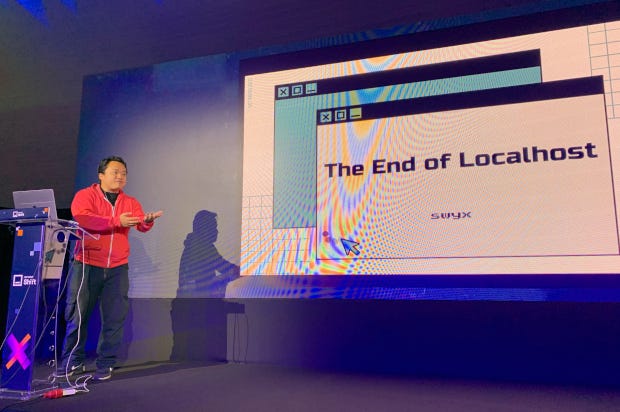
“The end of localhost” has been Ivan Burazin’s obsession for more than a decade.
«Конец localhost» — навязчивая идея Ivan Burazin уже больше десяти лет.
Something that is all too familiar…
Что-то слишком знакомое…
Long before agents became the default way people talked about software development, Ivan was already chasing the idea that development should not depend on a fragile local machine. CodeAnywhere, one of the first browser-based IDEs, was an early attempt at that future: move the development environment into the cloud, make setup reproducible, and free developers from the endless “works on my machine” tax.
Задолго до того, как агенты стали способом по умолчанию говорить о разработке ПО, Иван уже преследовал идею, что разработка не должна зависеть от хрупкой локальной машины. CodeAnywhere, одна из первых браузерных IDE, была ранней попыткой реализовать это будущее: перенести среду разработки в облако, сделать настройку воспроизводимой и освободить разработчиков от бесконечного налога «у меня на машине работает».
The thesis was directionally right, but the market wasn’t ready yet.
However, agents changed that. They do not care about a laptop, desk setup, or favorite editor. They need a computer they can access through an API: something stateful enough to keep working, fast enough to spin up instantly, flexible enough to resize, isolated enough to be safe, and composable enough to run the messy real-world workflows that real software engineering actually requires.
Daytona isn’t just selling “sandboxes” in the narrow code-execution sense. It is the latest version of Ivan’s original localhost thesis.
Тезис был верен по направлению, но рынок ещё не был готов. Однако агенты это изменили. Им безразличны ноутбук, рабочее место или любимый редактор. Им нужен компьютер, к которому можно обратиться через API: достаточно stateful, чтобы продолжать работу, достаточно быстрый, чтобы стартовать мгновенно, достаточно гибкий, чтобы менять размер, достаточно изолированный, чтобы быть безопасным, и достаточно композируемый, чтобы прогонять грязные реальные процессы, которые требует настоящая software-инженерия. Daytona не просто продаёт «sandbox'ы» в узком смысле выполнения кода. Это последняя версия исходного тезиса Ивана о localhost.
In this episode, Daytona’s CEO joins swyx to explain why AI agents need more than code execution boxes: they need composable computers, stateful sandboxes, instant startup, dynamic resources, and infrastructure that can survive workloads going from zero to 100,000 CPUs.
В этом эпизоде CEO Daytona присоединяется к swyx, чтобы объяснить, почему AI-агентам нужно больше, чем боксы для выполнения кода: им нужны композируемые компьютеры, stateful sandbox'ы, мгновенный старт, динамические ресурсы и инфраструктура, которая способна выдерживать нагрузки, идущие от нуля до 100 000 CPU.
We go deep on the new agent compute market: Daytona’s hard pivot from human dev environments to AI sandboxes, the New Year’s Eve MVP that customers begged for, why Daytona runs on bare metal with its own scheduler, how one customer runs almost 850,000 sandboxes a day, and why RL/eval workloads went from 0% to roughly 50% of usage in just months. Ivan also explains why agents need Windows and macOS machines, why CLI may matter more than MCP, why Kubernetes is painful for this workload, and why the future AI cloud may look more like Stripe than AWS.
Мы глубоко погружаемся в новый рынок agent compute: жёсткий пивот Daytona от человеческих dev-окружений к AI-sandbox'ам, MVP в новогоднюю ночь, который клиенты выпрашивали, почему Daytona работает на bare metal со своим собственным шедулером, как один клиент запускает почти 850 000 sandbox'ов в день и почему RL/eval-нагрузки за несколько месяцев выросли с 0% примерно до 50% использования. Иван также объясняет, почему агентам нужны машины Windows и macOS, почему CLI может быть важнее MCP, почему Kubernetes мучителен для этой нагрузки и почему будущее AI-облако может выглядеть скорее как Stripe, чем как AWS.
We discuss:
Мы обсуждаем:
How Daytona grew out of CodeAnywhere, Shift, and the “end of localhost” thesis
Why Daytona pivoted from human dev environments to AI sandboxes
Why agents need composable computers instead of disposable code execution boxes
The New Year’s Eve MVP that customers chased API keys for
Why Daytona chose bare metal, stateful snapshots, and its own scheduler
How Daytona spins up one sandbox in ~60ms and 50,000 sandboxes in ~75 seconds
Why Daytona’s biggest customer runs ~850,000 sandboxes a day
How RL/eval workloads create zero-to-100,000 CPU spikes
Why RL workloads went from 0% to roughly 50% of Daytona usage
Why customers compare Daytona against EKS/GKS and say they’re “never going back”
Why every AI agent may need a computer, including Windows and macOS environments
The Apple licensing constraints that make macOS sandboxes hard
Why CLI gives agents more power than MCP
How open source helps agents integrate Daytona
Why agent-generated PRs may break today’s CI/CD assumptions
Why AI SaaS companies reselling tokens may face a cold shower
Why the AI cloud may look more like Stripe than AWS
Как Daytona выросла из CodeAnywhere, Shift и тезиса «конец localhost»Почему Daytona сделала пивот от человеческих dev-окружений к AI-sandbox'амПочему агентам нужны композируемые компьютеры, а не одноразовые боксы для выполнения кодаMVP в новогоднюю ночь, за API-ключами к которому клиенты гонялисьПочему Daytona выбрала bare metal, stateful-снапшоты и собственный шедулерКак Daytona запускает один sandbox за ~60мс, а 50 000 sandbox'ов — за ~75 секундПочему крупнейший клиент Daytona запускает ~850 000 sandbox'ов в деньКак RL/eval-нагрузки создают спайки от 0 до 100 000 CPUПочему RL-нагрузки выросли с 0% примерно до 50% использования DaytonaПочему клиенты сравнивают Daytona с EKS/GKS и говорят: «никогда не вернусь»Почему каждому AI-агенту может понадобиться компьютер, включая окружения Windows и macOSОграничения лицензирования Apple, делающие macOS-sandbox'ы сложнымиПочему CLI даёт агентам больше возможностей, чем MCPКак open source помогает агентам интегрировать DaytonaПочему сгенерированные агентами PR могут сломать сегодняшние предпосылки CI/CDПочему AI SaaS-компании, перепродающие токены, могут столкнуться с холодным душемПочему AI-облако может выглядеть скорее как Stripe, чем как AWS
Ivan Burazin
Ivan Burazin
LinkedIn: https://www.linkedin.com/in/ivanburazin
LinkedIn: https://www.linkedin.com/in/ivanburazinX: https://x.com/ivanburazin
Daytona
Daytona
Timestamps
Таймкоды
00:00:00 Hook
00:01:12 Introduction
00:03:15 CodeAnywhere, Shift, and the end of localhost
00:05:58 What Daytona is: composable computers for AI agents
00:08:07 The pivot from dev environments to AI sandboxes
00:10:17 The New Year’s Eve MVP and customers begging for API keys
00:12:56 Bare metal, stateful sandboxes, and Daytona’s scheduler
00:17:28 60ms startup, 50,000 sandboxes, and 850K daily runs
00:21:53 Spiky RL/eval workloads and the new agent infra problem
00:28:12 RL workloads, Kubernetes pain, and dynamic resizing
00:33:31 Why every AI agent needs a computer
00:38:48 macOS sandboxes and Apple’s licensing problem
00:44:28 Why CLI may matter more than MCP
00:48:11 Open source, GitHub stars, and agent integration
00:53:11 Git, CI/CD, and agent collaboration bottlenecks
00:58:15 Founder life and building a 25-person infra company
01:02:44 AI SaaS, token resale, and API-first business models
01:06:10 GPU sandboxes, data centers, and compute growth
01:09:48 Why the AI cloud may look more like Stripe than AWS
01:11:26 Closing thoughts
00:00:00 Hook00:01:12 Введение00:03:15 CodeAnywhere, Shift и конец localhost00:05:58 Что такое Daytona: композируемые компьютеры для AI-агентов00:08:07 Пивот от dev-окружений к AI-sandbox'ам00:10:17 MVP в новогоднюю ночь и клиенты, выпрашивающие API-ключи00:12:56 Bare metal, stateful sandbox'ы и шедулер Daytona00:17:28 Старт за 60мс, 50 000 sandbox'ов и 850K запусков в день00:21:53 Спайковые RL/eval-нагрузки и новая проблема agent-инфры00:28:12 RL-нагрузки, боль Kubernetes и динамическое изменение размера00:33:31 Почему каждому AI-агенту нужен компьютер00:38:48 macOS-sandbox'ы и проблема лицензирования Apple00:44:28 Почему CLI может быть важнее MCP00:48:11 Open source, GitHub-звёзды и интеграция агентов00:53:11 Git, CI/CD и узкие места коллаборации агентов00:58:15 Жизнь основателя и построение инфра-компании на 25 человек01:02:44 AI SaaS, перепродажа токенов и API-first бизнес-модели01:06:10 GPU-sandbox'ы, дата-центры и рост compute01:09:48 Почему AI-облако может выглядеть скорее как Stripe, чем как AWS01:11:26 Заключительные мысли
Transcript
Транскрипт
Introduction: Daytona, CodeAnywhere, and the End of Localhost
Введение: Daytona, CodeAnywhere и конец Localhost
Swyx [00:00:02]: Okay, we’re in the studio with Ivan Burazin, CEO of Daytona. Welcome.
Swyx [00:00:02]: Окей, мы в студии с Ivan Burazin, CEO Daytona. Добро пожаловать.
Ivan [00:00:07]: Thanks for having me, man.
Ivan [00:00:07]: Спасибо, что пригласил, дружище.
Swyx [00:00:08]: Ivan, you and I go back.
Swyx [00:00:08]: Иван, мы с тобой знакомы давно.
Ivan [00:00:10]: Way back.
Ivan [00:00:10]: Очень давно.
Swyx [00:00:11]: How I don’t even know how, you found, did you reach out or, for Shift.
Swyx [00:00:11]: Я уже даже не помню как, ты вышел на связь или как — насчёт Shift.
Ivan [00:00:17]: I reached out to you. The reason was you - we were just - we were thinking about I was one of the co-founders of CodeAnywhere, the first browser-based IDE, and so we were thinking a long time of, localhost should die. And you had this article.
Ivan [00:00:17]: Я писал тебе. Причина была в том, что ты — мы как раз — мы думали, я был одним из сооснователей CodeAnywhere, первой браузерной IDE, и мы давно думали, что localhost должен умереть. А у тебя была эта статья.
Swyx [00:00:29]: End of localhost.
Swyx [00:00:29]: End of localhost.
Ivan [00:00:30]: Then I reached out to you because of that, and then we talked, and I was actually at a different job and learning about I was the head of, developer experience, and you were quite well-versed in that, and I actually reached out to you, among other people, how do we go about that? What are the key things and whatnot at this point in time? And you were nice enough to take the call, and I remember I was late on your call with you.
Ivan [00:00:30]: Тогда я написал тебе из-за этого, мы пообщались, я был на другой работе и изучал — я был руководителем developer experience, а ты в этом хорошо разбирался, и я обратился к тебе среди других людей, как с этим работать? Какие ключевые вещи и так далее на тот момент? И ты был достаточно добр, чтобы созвониться, и я помню, что опоздал на звонок с тобой.
Swyx [00:00:51]: I don’t remember.
Swyx [00:00:51]: Я не помню.
Ivan [00:00:52]: I remember because I was with my then I’m thinking of a girlfriend or wife at that point in time, I’m not sure. It’s the same person, so that’s great, and I was late ‘cause we were, in, Italy on, vacation, and then I was late for something. I felt so bad, and you were so nice to be, good about.
Ivan [00:00:52]: Я помню, потому что я был со своей тогдашней — думаю, девушкой или женой на тот момент, не уверен. Это один и тот же человек, так что отлично, и я был в Италии в отпуске, и опаздывал на что-то. Мне было так неловко, а ты так нормально к этому отнёсся.
Swyx [00:01:10]: The reason I’m nice is because I’m also late to other people, so it’s like, who’s, who’s without sin here, yeah, so I have to, for those who don’t know, InfoBip Shift, there’s this whole thing that, you did in the past, and, and that was basically one of the inspirations for me starting AI Engineer, which is like, I have to thank you for giving me that push to be like, “Oh, you can, you can build and sell conferences?”
Swyx [00:01:10]: Я нормально к этому отношусь, потому что сам опаздываю к другим, так что — кто без греха, да? Так что, для тех, кто не знает: InfoBip Shift — это целая история, которой ты занимался, и это, по сути, было одним из вдохновений для того, чтобы я запустил AI Engineer, и я должен тебя поблагодарить за этот толчок: «О, можно строить и продавать конференции?»
Ivan [00:01:34]: I remember you asked you asked me at the beginning to give me advisory shares, and I was so focused on what we were doing, I said no, and I should’ve took the advisory shares. So I’m sorry, dude. But anyway.
Ivan [00:01:34]: Помню, ты в начале попросил у меня advisory-доли, а я был так сосредоточен на том, что мы делали, что отказал, и стоило взять эти advisory-доли. Так что прости, чувак. Ну да ладно.
Swyx [00:01:43]: We’re not, we’re not venture backed.
Swyx [00:01:43]: Мы не венчурно финансируемые.
Ivan [00:01:44]: No, it doesn’t matter.
Ivan [00:01:44]: Не, это неважно.
Swyx [00:01:45]: It’s Yeah, anyway, so I think what’s impressive about you is that CodeAnywhere is the thing that you’ve been trying to build, and, you kind of put it on hold and then came back after InfoBip. Just give us the story, do you - the story and the origin story, going into Daytona.
Swyx [00:01:45]: Это Да, в общем, я думаю, что в тебе впечатляет то, что CodeAnywhere — это то, что ты пытался построить, ты как бы поставил это на паузу и вернулся после InfoBip. Расскажи нам историю, дай нам историю и origin story с переходом в Daytona.
From CodeAnywhere and Shift to Daytona
От CodeAnywhere и Shift к Daytona
Ivan [00:02:05]: Sure. Like, really way back, me and my co-founder have been together. I say this, I’ve said this multiple times, it’s like we were married and divorced and married. Some people actually ask me is my co-founder my partner. they thought it literally. It’s not literally, but we have done multiple companies together, and to your point, we had this shift where we went from the CodeAnywhere to the conference called Shift, and then back to, Daytona. We originally started stacking servers, doing like virtualization in the early 2000s and, routers and doing basically all these things, at a foundational level, and that was a services company which we sold to focus on what my co-founder actually invented, which was the very first browser-based IDE, right, I say the first. Before us was actually Heroku. They did it for a very short time until they became Heroku. But outside of them, we were the only one, and it was called.
Ivan [00:02:05]: Конечно. Если совсем издалека, мы с моим сооснователем уже долго вместе. Я говорю это много раз, типа мы были женаты, развелись и снова поженились. Некоторые правда спрашивают меня, не партнёр ли мой сооснователь. Они думают буквально. Не буквально, но мы сделали вместе несколько компаний, и, как ты говоришь, у нас был этот переход от CodeAnywhere к конференции под названием Shift, и обратно к Daytona. Изначально мы начали с того, что собирали стойки серверов, занимались виртуализацией в начале 2000-х, роутерами и в принципе всеми этими вещами на фундаментальном уровне, и это была сервисная компания, которую мы продали, чтобы сосредоточиться на том, что фактически изобрёл мой сооснователь, — первой браузерной IDE, да, я говорю «первой». До нас на самом деле был Heroku. Они делали это очень недолго, пока не стали Heroku. Но кроме них мы были единственными, и это называлось.
Swyx [00:02:55]: There was Cloud9.
Swyx [00:02:55]: Был Cloud9.
Ivan [00:02:57]: Cloud9 came out slightly after us. There was Replit, which came out when we stopped doing it, Replit came out, and they have been successful since then, which is great. There was Nitrous.io. There was quite a few that existed at the time, but it was like too early. But the interesting part is that we, at that point in time, because there was no VS Code, there was no Kubernetes, and Docker had just started when we Or I’m not sure if it was even public at that point in time. And so we had to build everything to the whole stack ourselves and that was the key learning that we brought into and that we’ve been using in Daytona today. So it was super early. There’s about 3 million people used CodeAnywhere. It was slightly, it was angel-backed more than venture-backed. We ended up paying everyone back because it didn’t have that sort of scale. But, three years ago, we started something similar with Daytona, which is not what we are today, but it was automating dev environments for human engineers, the basically the underlying stack of CodeAnywhere. And then we did a hard pivot last January to sandboxes. And so here we are.
Ivan [00:02:57]: Cloud9 появился чуть после нас. Был Replit, который появился, когда мы уже перестали этим заниматься, и с тех пор он успешно развивается, что здорово. Был Nitrous.io. Было довольно много тех, кто существовал в то время, но это было слишком рано. Но интересное в том, что в тот момент, поскольку не было VS Code, не было Kubernetes, а Docker только начался — не уверен даже, был ли он публичным на тот момент. И поэтому нам пришлось строить всё, весь стек, самим, и это был ключевой опыт, который мы перенесли и используем в Daytona сегодня. То есть это было очень рано. CodeAnywhere использовало около 3 миллионов человек. Финансирование было скорее ангельским, чем венчурным. В итоге мы всем вернули деньги, потому что не было такого масштаба. Но три года назад мы начали что-то похожее с Daytona — это не то, чем мы являемся сегодня, а автоматизация dev-окружений для человеческих инженеров, по сути нижележащий стек CodeAnywhere. А в январе прошлого года мы сделали жёсткий пивот в sandbox'ы. И вот мы здесь.
Swyx [00:04:01]: Historic pivot, yeah, and, it’s one of those things where, I had independently invested in CodeAnywhere, but also in E2B, and then both of you pivoted into the same thing, and I’m like, “Fuck.”
Swyx [00:04:01]: Исторический пивот, да, и это одна из таких вещей, когда — я независимо инвестировал в CodeAnywhere, но также и в E2B, и потом вы оба сделали пивот в одно и то же направление, и я такой: «Чёрт».
Ivan [00:04:12]: You invested, you invested in Daytona. You invested in Daytona. But you were the first If we had not got your check, we wouldn’t have done it.
Ivan [00:04:12]: Ты инвестировал, ты инвестировал в Daytona. Ты инвестировал в Daytona. Но ты был первым, и если бы мы не получили твой чек, мы бы этого не сделали.
Swyx [00:04:18]: No way.
Swyx [00:04:18]: Да ладно.
Ivan [00:04:19]: No, it was like, “We have to get him on board first,” and you were that kicker that we, that got us off the ground.
Ivan [00:04:19]: Нет, было так: «Сначала надо его подключить», и ты был тем стартовым импульсом, который нас сдвинул.
Swyx [00:04:23]: No, because you were putting me on your pitch deck, man. I was like, “Man, this is like a good trip if I don’t invest.”
Swyx [00:04:23]: Нет, потому что ты ставил меня в свой питч-дек, чувак. Я подумал: «Чёрт, было бы плохо не инвестировать».
Ivan [00:04:29]: That’s because it was your quote. It’s like we.
Ivan [00:04:29]: Это потому что это была твоя цитата. Мы.
Swyx [00:04:30]: Yeah. It’s the end of localhost.
Swyx [00:04:30]: Да. End of localhost.
Ivan [00:04:31]: Did a bunch of research about end of localhost and who was interested in that,.
Ivan [00:04:31]: Сделали кучу ресёрча про end of localhost и кому это интересно.
Swyx [00:04:34]: No, that’s like, I put, I wrote that blog post, and every single company in that field reached out to me, and then every VC who was receiving those pitches then also had to call me and, talk it, talk through it with me.
Swyx [00:04:34]: Нет, я просто написал тот пост, и каждая компания в этой области связалась со мной, а каждый VC, которому слали такие питчи, тоже звонил мне и обсуждал это.
Ivan [00:04:47]: It’s finally happening though.
Ivan [00:04:47]: Но это наконец происходит.
Swyx [00:04:48]: It was really super interesting.
Swyx [00:04:48]: Это было очень интересно.
Ivan [00:04:48]: It’s finally happening.
Ivan [00:04:48]: Это наконец происходит.
Swyx [00:04:49]: It’s finally happening.
Swyx [00:04:49]: Это наконец происходит.
Ivan [00:04:49]: Yeah, it’s finally.
Ivan [00:04:49]: Да, это наконец.
Swyx [00:04:49]: It’s finally happening, with maybe sort of non-human users. Yeah, so what is Daytona today? Let’s get like a quick description. I’m wearing the shirt.
Swyx [00:04:49]: Это наконец происходит, может быть, через нечеловеческих пользователей. Так, а что такое Daytona сегодня? Давай быстрое описание. Я в футболке.
What Daytona Is Today: Composable Computers for AI Agents
Что такое Daytona сегодня: композируемые компьютеры для AI-агентов
Ivan [00:04:58]: You’re wearing the shirt. Yes,.
Ivan [00:04:58]: Ты в футболке. Да.
Swyx [00:04:59]: It says, I think your branding is very good. Like, it’s very consistent. It runs AI code. Like, it cannot be simpler.
Swyx [00:04:59]: Тут написано — кажется, у вас очень хороший брендинг. Очень последовательный. It runs AI code. Проще не придумаешь.
Ivan [00:05:05]: Exactly, but we’re gonna probably have to change that.
Ivan [00:05:05]: Именно, но нам, вероятно, придётся это поменять.
Swyx [00:05:07]: Oh, shit.
Swyx [00:05:07]: О, чёрт.
Ivan [00:05:07]: It’s also a subset of what we do. Unfortunately, we really love this, Run AI Code is super simple. People interpret it different ways. I think we’ve given out 5,000, 6,000 of these shirts. People wear them with pride because it doesn’t really market about us.
Ivan [00:05:07]: Это также подмножество того, что мы делаем. К сожалению, нам очень нравится это, Run AI Code — суперпросто. Люди интерпретируют это по-разному. Думаю, мы раздали 5000-6000 таких футболок. Люди носят их с гордостью, потому что они не маркетят нас.
Swyx [00:05:21]: Yeah, Daytona’s on the back.
Swyx [00:05:21]: Да, Daytona сзади.
Ivan [00:05:22]: It markets the back. It markets to the person itself, so I think we did a really good job on that one. But it is also a subset of what we do, because people, when they think about Run AI Code, they just think about these small, let’s call it isolates, code execution boxes that, you send some code, you get an output. Whereas what Daytona is today is essentially composable computers for AI agents. It is, the market calls them sandboxes which can be misleading.
Ivan [00:05:22]: Сзади маркет. Маркетит самого человека, так что мы здесь сработали хорошо. Но это и подмножество того, что мы делаем, потому что когда люди думают про Run AI Code, они представляют небольшие, назовём их изолятами, боксы для выполнения кода — отправляешь код, получаешь output. А Daytona сегодня — это, по сути, композируемые компьютеры для AI-агентов. Рынок называет их sandbox'ами, что может вводить в заблуждение.
Swyx [00:05:44]: All these things. All these things on.
Swyx [00:05:44]: Все эти штуки. Все эти штуки на.
Ivan [00:05:45]: Yeah, exactly, ‘cause it can be misleading ‘cause people usually think about sandboxes as a demo or a test environment versus a production-grade environment. But what Daytona does, if you think of the laptop that you have in front of you or the computer that’s over there, or, my wife is an architect, so she has like a Windows with a 3D graphics card inside to do 3D rendering. Like, as humans, we have different computers or different compositions of computers. And our belief is strongly that agents today and going forward will need all these different compositions of computers to do different types of tasks. And so we offer that basically through an API.
Ivan [00:05:45]: Да, именно, потому что это может вводить в заблуждение, ведь sandbox обычно ассоциируется с демо или тестовым окружением, а не с production-grade окружением. А Daytona — если подумать про твой ноутбук перед тобой, или компьютер вон там, или, например, моя жена — архитектор, у неё Windows с 3D-видеокартой для рендеринга. Как у людей, у нас разные компьютеры или разные композиции компьютеров. И мы твёрдо убеждены, что агентам сегодня и в будущем понадобятся все эти разные композиции компьютеров для разных типов задач. И мы предоставляем это, по сути, через API.
Swyx [00:06:19]: Yeah, to give people - I’m trying to sort of front-load all the aha moments or the wow moments so that people can, stay engaged and click like and subscribe. the market is exploding, right? Like, you have been reporting 74% month-on-month growth, and it also, it’s just been growing for a while. Like, it’s been going like this. And every single - It’s not just you guys. It’s every single.
Swyx [00:06:19]: Да, чтобы дать людям — я пытаюсь как бы front-load все aha-моменты или wow-моменты, чтобы люди оставались вовлечёнными и жали like и subscribe. Рынок взрывается, да? Вы сообщили о росте 74% месяц-к-месяцу, и он растёт уже какое-то время. Просто идёт вот так. И это не только у вас. Это каждый.
Ivan [00:06:41]: Everyone, yeah.
Ivan [00:06:41]: Все, да.
Swyx [00:06:42]: Sort of, compute provider. I don’t know if you agree with me saying compute provider or not.
Swyx [00:06:42]: Каждый compute-провайдер. Не знаю, согласен ли ты с термином compute-провайдер.
Ivan [00:06:48]: It’s fine.
Ivan [00:06:48]: Нормально.
Swyx [00:06:48]: Yeah. So like organically PLG-driven growth, but also enterprise is doing super well, I think I wanna rewind to January of last year when you did the pivot. Like, so you obviously called this market early, and you were positioned for it, and you are now one of the market leaders. But what was the insight that made you do the pivot?
Swyx [00:06:48]: Да. Так, органический рост через PLG, но и enterprise тоже идёт супер хорошо. Я хочу вернуться к январю прошлого года, когда вы сделали пивот. То есть вы явно поймали этот рынок рано и были позиционированы под него, и теперь вы один из лидеров рынка. Но что было инсайтом, заставившим сделать пивот?
The Pivot: From Human Dev Environments to Agent Sandboxes
Пивот: от человеческих dev-окружений к sandbox'ам для агентов
Ivan [00:07:06]: The insight that made us do this pivot is the quarter before that, so end of 2024, when we had - Basically, we did a demo with - I don’t I think we discussed this as well, Devin was not public. You actually gave me access to Devin at that time. So Devin.
Ivan [00:07:06]: Инсайт, заставивший нас сделать этот пивот, — квартал до этого, то есть конец 2024-го, когда у нас — В общем, мы сделали демо с — Не знаю, обсуждали мы это или нет, Devin был непубличным. Ты тогда дал мне доступ к Devin. Так что Devin.
Swyx [00:07:25]: I did?
Swyx [00:07:25]: Я дал?
Ivan [00:07:26]: Yeah, you gave me access.
Ivan [00:07:26]: Да, ты дал доступ.
Swyx [00:07:26]: I don’t think I was supposed.
Swyx [00:07:26]: Не думаю, что мне было можно.
Ivan [00:07:27]: Yeah, exactly.
Ivan [00:07:27]: Да, точно.
Swyx [00:07:28]: Yeah, I.
Swyx [00:07:28]: Да, я.
Ivan [00:07:28]: So it doesn’t matter. You.
Ivan [00:07:28]: Так что неважно. Ты.
Swyx [00:07:29]: Yeah. I gave like three friends access.
Swyx [00:07:29]: Да, я дал доступ трём друзьям.
Ivan [00:07:31]: Yeah, or it was a call and you showed it to me. It doesn’t matter. but OpenDevin was available, which is now called OpenHands. And so we’re like, “Oh, this seems to be a thing. This is not public. Let’s take our for human automation of dev environments and take, OpenDevin and launch that as a SaaS.” And we did that. Not very many people signed up and used it, but a lot of people reached out that were building agents, and they were like, “Hey, my agent needs a compute sandbox runtime,” whatever you wanna call it. I forgot what it was called at that point. And then we were like, “Oh, amazing. This is a new market. Here is our infrastructure. Here’s our product, and go.” And what we found really fast, soon, was that people did not like what we had built. It didn’t work. And I remember talking to people at the beginning when we’re doing this, the sandbox we’re building for agents. People were like, “Oh, why is it different? It’s the same thing. We have like EC2, we have VMs, we have all these things.” But we saw that everyone we gave it to, it was like 20, 30 people, they all said, “No.” Like, “This is not what we need. This sort of breaks.” And basically, me and my co-founder not knowing a lot about - ‘cause we’re infra people. We’re not AI people. So I basically took it upon myself to like watch every single podcast that exists, including all of, all of these and all that, and sort of get up to date, read all the blogs, like get, understand what’s going on.
Ivan [00:07:31]: Да, или это был созвон, и ты мне показал. Неважно. Но OpenDevin был доступен, сейчас он называется OpenHands. Мы такие: «Ого, это, похоже, тема. Это непублично. Давайте возьмём наше для автоматизации dev-окружений для людей и запустим OpenDevin как SaaS». И мы это сделали. Не очень многие подписались и использовали это, но множество людей вышли на связь — те, кто строил агентов, и говорили: «Эй, моему агенту нужна compute sandbox runtime», как угодно называйте. Я забыл, как это тогда называлось. И мы такие: «О, отлично. Это новый рынок. Вот наша инфраструктура. Вот наш продукт, поехали». И очень быстро мы обнаружили, что людям не нравилось то, что мы построили. Это не работало. И я помню, как разговаривал с людьми в начале, когда мы делали этот sandbox для агентов. Люди такие: «Чем это отличается? Это то же самое. У нас есть EC2, есть VMs, всё это». Но мы видели, что все, кому мы это давали, около 20-30 человек, все говорили: «Нет». Типа «Это не то, что нам нужно. Это как-то ломается». И я с сооснователем, не зная многого — мы инфра-люди. Мы не AI-люди. Так что я взял на себя — посмотреть каждый существующий подкаст, включая все вот эти и так далее, и обновиться, прочитать все блоги, понять, что происходит.
Swyx [00:08:45]: Do you wanna shout out who else was useful, just in case people are also looking.
Swyx [00:08:45]: Хочешь упомянуть, кто ещё был полезен, на случай, если люди тоже ищут.
Ivan [00:08:49]: Generally we -, I looked at There’s a few of podcast, different segments and different types. So there’s you guys, No Priors, Bill Gurley’s was great while.
Ivan [00:08:49]: Обычно я — Смотрел много разных подкастов разных сегментов и типов. Есть вы, ребята, No Priors, у Bill Gurley был отличный, пока.
Swyx [00:09:04]: VG2, yeah.
Swyx [00:09:04]: BG2, да.
Ivan [00:09:05]: Yeah, while it was around. So there’s a few. 20VC is interesting from a different dynamic, and some are different dynamic. But there was, also Red Points.
Ivan [00:09:05]: Да, пока он существовал. Несколько. 20VC интересен с другой динамики, и другие тоже. Но был ещё Red Points.
Swyx [00:09:14]: We’re not really about the compute market.
Swyx [00:09:14]: Это не совсем про compute-рынок.
Ivan [00:09:15]: It was also already - Sorry?
Ivan [00:09:15]: Это уже было — Что?
Swyx [00:09:16]: You’re, you want - You’re looking at the agent infra market.
Swyx [00:09:16]: Ты хотел — ты смотрел на рынок agent-инфры.
Ivan [00:09:19]: I was looking at the agent market and the AI market in general and sort of understanding who are the players, what the perception, and how that goes. And like obviously you complement this with like going to conferences, going to events, going to meetups, reading white papers, like doing all the things that you have to do to understand what’s happening. And so when we figured, when we sort of had an idea of what we had to build, literally over the New Year’s Eve, literally on New Year’s Eve, I half vibe coded the first MVP, first minimal viable product of what Daytona is today. And I went to sleep at like 3:00 AM or something like that. I was doing - I just put my like baby daughter and wife to sleep and, Happy New Year’s, and go back to just, doing this. And I sent it to my co-founder, my CTO, and he saw it in the morning. He’s like, “This is absolute garbage.” “Do not show this to anybody at all, but the idea is good.” And so he took two weeks, and he rebuilt it.
Ivan [00:09:19]: Я смотрел на agent-рынок и AI-рынок в целом, понимая, кто игроки, какая перцепция и так далее. Это, очевидно, дополняется походами на конференции, мероприятия, митапы, чтением white papers — всем, что нужно делать, чтобы понять происходящее. И когда мы примерно поняли, что нужно построить, буквально в новогоднюю ночь, буквально на Новый год, я наполовину vibe-кодил первый MVP, первый минимально жизнеспособный продукт того, чем сейчас является Daytona. И лёг спать в 3 утра или около того. Я только что — Я уложил младенца-дочку и жену спать, поздравил с Новым годом и вернулся к этому. Отправил это сооснователю, моему CTO, и он увидел утром. Он такой: «Это абсолютный мусор». «Не показывай это никому, но идея хорошая». И он взял две недели и переписал.
Swyx [00:10:09]: Did it like look like that? Listen, I - It was rough idea.
Swyx [00:10:09]: Это так выглядело? Слушай — Грубая идея.
Ivan [00:10:12]: Oh, not even, not even close. Like it was it was way worse. But it was like a very - It was a simplistic view of what it should be. Like, it worked, but it was not ideal. And so he went, we went down the whole, which is his job as CTO, to go, and he came back with this version. We then called all the people that had said like, “This is garbage,” a quarter ago. And we set up these calls, and we gave it to - We just demoed it to everyone. And all the calls went long, every single one. They were 15-minute calls, and they all went to like 25, 30 minutes or whatnot. And everyone said, “We need, we want access.” There was no login, just an API key, ‘cause it was just a beta or an alpha. And they said, “Oh, we want access.” And we’re like, “Sure, yeah. Okay, thank you very much.” But after like the next day, if we’d not send it, every single one, like every call that we did, everyone came back, “Where is my API key?” Like everyone wanted it. We’re like, “Shit.” Like this is it. Like I’ve never felt So one, the understanding to your point was like most people thought it was the same infrastructure for humans and agents. We understood a quarter ago it’s not. We just didn’t know what was the right primitive. And then when we came, and we can talk about what that is, and we gave it to these people, I’ve never seen, I’ve never experienced - I’ve done multiple companies in my life. I’ve never experienced this, that people literally call you if you do not give them access. Like they want access right now. And so it’s like, okay, they don’t want this. the thing that they want doesn’t seem to exist, or they have not found it, and they really want what we want. And then when we understood that we’re onto something, and then when you think about the size of the market, like the market for human engineers and enterprise is a very large market, so think GitLab or whatnot. But the market for every single agent that will exist ever in the future is just like, what is that market? How big is that? And we’re like, “We are all in on this.” And so that is where we made sort of the cut between the old product and the new one.
Ivan [00:10:12]: О, не, не близко. Это было сильно хуже. Но это было упрощённое видение того, как должно быть. Работало, но не идеально. И он пошёл, как и положено CTO, и вернулся с этой версией. Мы созвали всех людей, которые сказали квартал назад «это мусор». Назначили звонки, продемонстрировали всем. И все звонки затянулись, каждый. Это были 15-минутные звонки, и все шли по 25-30 минут и так далее. И все сказали: «Нам нужен доступ, мы хотим доступ». Логина не было, только API-ключ, потому что это была бета или альфа. И они сказали: «О, мы хотим доступ». Мы такие: «Конечно, да. Спасибо большое». Но на следующий день, если мы не отправляли — каждый из них, каждый звонок, все возвращались: «Где мой API-ключ?» Все хотели. Мы такие: «Чёрт». Это оно. Я никогда не чувствовал. Первое, понимание — как я говорил, большинство людей думали, что это та же инфраструктура для людей и агентов. Мы поняли квартал назад, что нет. Просто не знали, какой правильный примитив. А когда мы пришли — и можем поговорить о том, что это такое — и дали этим людям, я никогда не видел, никогда не испытывал — я делал несколько компаний в жизни. Я никогда не испытывал, чтобы люди буквально звонили тебе, если ты им не давал доступ. Им нужен доступ прямо сейчас. И типа окей, они этого не хотят, того, что хотят, видимо, не существует или они не нашли, и они очень хотят то, что мы хотим. И когда мы поняли, что попали во что-то, и когда думаешь про размер рынка — рынок человеческих инженеров и enterprise очень большой, GitLab или что-то такое. Но рынок каждого агента, который когда-либо будет существовать в будущем, — насколько он велик? И мы такие: «Мы все идём на это». Так что вот тут мы и провели границу между старым и новым продуктом.
Bare Metal, Stateful Sandboxes, and the Lambda + EC2 Model
Bare Metal, Stateful Sandbox'ы и модель Lambda + EC2
Swyx [00:12:02]: Yeah. But it wasn’t composable at the time?
Swyx [00:12:02]: Да. Но он тогда не был композируемым?
Ivan [00:12:05]: It was very - It was basically just a Linux box that you could change, that you could define number of CPUs, disk, and RAM. Like that is what you could do, but you couldn’t have multiple operating systems, you couldn’t resize it on the fly, you couldn’t add a GPU, you couldn’t do like all the things. It was just the, just the first sort of variation of that, yeah.
Ivan [00:12:05]: Это был, по сути, просто Linux-бокс, который можно было изменить, задав количество CPU, диска и RAM. Это всё, что можно было. Но нельзя было иметь несколько операционных систем, нельзя было менять размер на лету, нельзя было добавить GPU, нельзя было делать всё это. Просто первая вариация, да.
Swyx [00:12:22]: Was it bare metal from the start?
Swyx [00:12:22]: Это было bare metal с самого начала?
Ivan [00:12:24]: It was bare metal from the start. And so the interesting thing that we thought about right away, so our.
Ivan [00:12:24]: С самого начала bare metal. И интересно то, что мы сразу подумали, наш.
Swyx [00:12:29]: Which, give people the background, what is the normal path?
Swyx [00:12:29]: Дай зрителям контекст — какой нормальный путь?
Ivan [00:12:32]: Yeah, so, basically most providers run this on top of VMs. And also.
Ivan [00:12:32]: Да, в общем, большинство провайдеров запускают это поверх VM. И также.
Swyx [00:12:37]: Firecracker.
Swyx [00:12:37]: Firecracker.
Ivan [00:12:38]: Yeah, they run on Firecracker and VM. And so we also fire - We can get - We have multiple isolation layers and we can do that. But the common way to do it is that they, one, that the state of the machine, or the hard disk is not part of the sandbox itself. And the other thing is they’re not meant to last forever. So most of them are preemptible, like they can There’s a time that they can live. And so our thought was when we were going into this is, agents will be like humans in the sense of you don’t want your laptop to be shut down until you’re done with work. Like, and you want to close the lid and open the lid, it’s the same state. So you - Agents would want that, like the pause and come back. They want those two things. But also agents really want speed, right? Can they get it? So when we thought about it’s like we need something insanely fast, how to make it fast, how to make it long-running, and stateful. And so those two things, it’s like combining a Lambda and an EC2, right? Those two things together. And so we didn’t have an idea how others did it, ‘cause we didn’t know too that there was a market around this. It was more like, okay, this is what we need, what they need. And we looked at Kubernetes, it wasn’t wasn’t good enough for that. We looked at Nomad, it didn’t enable that. And so our history in rewriting our own scheduler at CodeAnywhere is basically what my CTO came up with. Like, he’s like, “Oh, the learnings from there,” and he brought it. And the funny thing is, our third co-founder, when he saw it, he’s like, “Dude, what is this? This is like 2008.” Like, we went back in time, and he’s like, “Exactly.” And so the reason why Daytona is like super fast, and you see this on benchmarks, is we essentially, we run on bare metal. We have our own scheduler, we use the underlying, disk, CPU, and RAM of the underlying machine, which means your IOPS are insanely fast because there’s no, there’s no network between an EBS or something like that. But also the snapshot, the point in time, the templates, are also preloaded on the bare metal machines. So when you fire off a sandbox from a template or a snapshot, you’re essentially directed to the bare metal machine where that snapshot is based on that NVMe drive, and then it literally just turns on that machine, and it’s local. There’s no network latency, anything on there. And so that is sort of the specificities that we, when we’re thinking from first principles, what a computer would look like for an agent, that is what we came up with, and that’s what we created.
Ivan [00:12:38]: Да, на Firecracker и VM. У нас тоже есть несколько слоёв изоляции, и мы можем это делать. Но обычный способ — что состояние машины или жёсткого диска не является частью самого sandbox'а. И другое — они не предназначены для долгой жизни. Большинство preemptible, есть ограничение по времени жизни. И наша мысль была: агенты будут как люди в том смысле, что не хочется, чтобы ноутбук выключился до окончания работы. И ты хочешь закрыть крышку и открыть — то же состояние. Агенты этого хотят — pause и возврат. Им нужны эти две вещи. Но также агентам очень нужна скорость, да? Можно ли её получить? Когда мы думали об этом — нужно что-то нереально быстрое, как сделать быстрым, как сделать долгоживущим и stateful. Эти две вещи — это объединение Lambda и EC2, да? Две вместе. И мы не знали, как делали другие, потому что мы не знали, что вокруг этого есть рынок. Скорее: окей, это то, что нам нужно, им нужно. Мы посмотрели на Kubernetes — недостаточно хорош. Посмотрели на Nomad — не позволяет. И наша история переписывания собственного шедулера в CodeAnywhere — это, по сути, то, что мой CTO придумал. Он такой: «О, опыт оттуда», и принёс это. Забавно: наш третий сооснователь, увидев это, сказал: «Чувак, что это? Это как 2008 год». Мы вернулись в прошлое, и он такой: «Именно». Поэтому Daytona супербыстрая, видно на бенчмарках: мы, по сути, работаем на bare metal. У нас собственный шедулер, мы используем нижележащий диск, CPU и RAM подлежащей машины, что значит IOPS нереально быстрый, потому что нет сети между EBS или чем-то таким. Но также снапшот, point in time, шаблоны тоже предзагружены на bare metal машинах. Когда вы запускаете sandbox из шаблона или снапшота, вас, по сути, направляют на bare metal машину, где этот снапшот лежит на NVMe-диске, и она буквально включает эту машину, всё локально. Нет сетевой задержки. И это та специфика, которую мы из первых принципов придумали — как должен выглядеть компьютер для агента, это то, что мы создали.
Benchmarks, 60ms Startup, and 50,000 Sandboxes
Бенчмарки, старт за 60мс и 50 000 sandbox'ов
Swyx [00:15:02]: Yeah. I should maybe, I don’t know if you endorse this, but there’s someone that does compute SDK, you guys do very well on there, with like the TTI, right? I. is this a, is this a is this a relevant benchmark for you guys? I don’t know.
Swyx [00:15:02]: Да. Может быть, мне стоит — не знаю, поддерживаешь ли ты это, — но есть кто-то, кто делает compute SDK, у вас там очень хорошие показатели по TTI, да? Это релевантный бенчмарк для вас? Не знаю.
Ivan [00:15:16]: I don’t know, and it changes every day. So today RKL is.
Ivan [00:15:16]: Не знаю, и это меняется каждый день. Сегодня RKL.
Swyx [00:15:18]: I don’t know what RKL is. Never heard of it.
Swyx [00:15:18]: Не знаю, что такое RKL. Не слышал.
Ivan [00:15:20]: Yeah. RK, yeah, so it is there.
Ivan [00:15:20]: Да. RK, да, есть такое.
Swyx [00:15:22]: You are, at least a third of the next tier of performance, and then, there’s a lot of other better-known names that are very slow to start.
Swyx [00:15:22]: Вы — как минимум в три раза быстрее следующего ряда по производительности, и есть много более известных имён, которые очень медленно стартуют.
Ivan [00:15:31]: Yeah. We’ve been the number one by far for a long time, and now there’s different, there’s different definitions also of sandboxes, different isolation patterns, different other things. So RKL runs it literally on the S3, the data, so it’s very different, and they spin up a sandbox, spin up a container for that, so it’s a different type of thing. So the definition of a sandbox is something that we can all, we all need to get along with. But yeah, we’re insanely fast on getting these things, up and running. And so you can see even there that it’s a zero point 0.10 to 0.11, so.
Ivan [00:15:31]: Да. Мы уже давно на первом месте с большим отрывом, есть разные определения sandbox'ов, разные паттерны изоляции, другие вещи. Например, RKL запускает прямо на S3, данные, так что это совсем другое, они спинят sandbox, спинят контейнер для этого, это другой тип. Так что определение sandbox'а — нам всем нужно договориться. Но да, мы нереально быстрые в запуске этих штук. И вы видите даже там, что это 0,10–0,11.
Swyx [00:16:03]: Close enough. Yeah. what else do you need, right?
Swyx [00:16:03]: Достаточно близко. Да. Что ещё нужно, да?
Ivan [00:16:05]: Yeah. So the benchmarks itself, so, in this, in I don’t think the benchmarks equate to market ownership or revenue or anything like that. and I’ve seen this with multiple benchmarks, not just in sandboxes, but in general benchmarks around.
Ivan [00:16:05]: Да. Сами бенчмарки в этом — я не думаю, что бенчмарки равняются доле рынка, выручке или чему-то такому. И я это видел с несколькими бенчмарками — не только в sandbox'ах, но и в общих бенчмарках вокруг.
Swyx [00:16:20]: It’s table stakes. It’s just like.
Swyx [00:16:20]: Это table stakes. Это просто.
Ivan [00:16:21]: Exactly. But it doesn’t hurt.
Ivan [00:16:21]: Именно. Но не помешает.
Swyx [00:16:22]: Just roughly check.
Swyx [00:16:22]: Просто грубо проверить.
Ivan [00:16:22]: Like you definitely have to be up there and you have to be competing so that people know that, oh, this is definitely one of the top. Because this is only one dimension of what customers look for. There’s other things like how many can you spin up consecutively? There’s a feature set, there’s support, there’s like all different things that people look at, but you definitely have to be there, on the benchmarks.
Ivan [00:16:22]: Ты определённо должен там быть, конкурировать, чтобы люди знали: о, это определённо один из топов. Потому что это лишь одно измерение того, на что смотрят клиенты. Есть другие — сколько вы можете запустить одновременно, набор фич, поддержка, разные вещи, на которые смотрят, но в бенчмарках точно надо быть.
Swyx [00:16:40]: How many people do people spin up consecutively?
Swyx [00:16:40]: Сколько люди запускают одновременно?
Ivan [00:16:43]: So we have.
Ivan [00:16:43]: У нас.
Swyx [00:16:43]: Or concurrently, is the Concurrency, right?
Swyx [00:16:43]: Или конкурентно? Concurrency, да?
Ivan [00:16:45]: There’s three metrics that we look at. And so one is like time to spin up one, and so our time to spin up one is 60 milliseconds with network latency. So request, spin up, reply, 60, the whole thing, 60 milliseconds. That is one. But if you wanna spin up 50,000 at once, we are now at about 75 seconds. So it takes about 75 seconds to spin up concurrently 50,000. Some others, there’s public data around this, like take 2,000 seconds, which is 30 minutes. Like there’s different variations of that. And then there is the so it is speed of one, speed of like multiple, and then how many can you consistently have up and running. And so we basically have right now no limit to how much we can add because we basically own our own metal. But the biggest customer of ours does like about 850,000 every single day is sort of where they’re, where they’re just shy of a million every single day that they’re running, we do have a request for half a million concurrent, which is literally half a million CPUs somewhere running. So that’s an interesting.
Ivan [00:16:45]: Мы смотрим на три метрики. Одна — время запуска одного, и наше время запуска одного — 60 миллисекунд с сетевой задержкой. Запрос, запуск, ответ — 60 миллисекунд всё. Это раз. Если хотите запустить 50 000 сразу, мы сейчас около 75 секунд. То есть 75 секунд, чтобы запустить конкурентно 50 000. У некоторых, есть публичные данные, это 2000 секунд, то есть 30 минут. Разные вариации. Так что есть скорость одного, скорость многих, и сколько вы можете консистентно держать запущенными. У нас сейчас, по сути, нет лимита, сколько мы можем добавить, потому что у нас своё железо. Но крупнейший наш клиент делает около 850 000 каждый день — где-то — и есть запрос на полмиллиона конкурентных, то есть буквально полмиллиона CPU работают одновременно. Это интересно.
Swyx [00:17:44]: They pay by like vCPU seconds.
Swyx [00:17:44]: Они платят по vCPU-секундам.
Ivan [00:17:47]: By seconds, yeah.
Ivan [00:17:47]: По секундам, да.
Swyx [00:17:47]: Or whatever. Yeah. Okay, and so and then, and the other thing is, the sleeping and the resuming, ‘cause it’s all the stateful resumption of all these things, how, what kind of workload are people putting through this, right? Like how is it Do we measure by gigabytes in memory, gigabytes in storage? I don’t In like network attached storage. I, what are the costly ones of, out of all these features?
Swyx [00:17:47]: Или как-то. Окей, и про сон и резюм — там всё про stateful resumption этих штук. Какие нагрузки люди прогоняют? Чем мы меряем — гигабайтами в памяти, гигабайтами в хранилище? Я не — В network-attached storage. Что из всех фич самое затратное?
Workload Economics: CPU, RAM, Network, and Storage
Экономика нагрузок: CPU, RAM, сеть и хранилище
Ivan [00:18:15]: The most expensive thing are CPU.
Ivan [00:18:15]: Самое дорогое — CPU.
Swyx [00:18:18]: Okay. Yeah, of course.
Swyx [00:18:18]: Окей. Конечно.
Ivan [00:18:18]: The second one, yeah Then it’s RAM, then it’s disk. We actually don’t charge.
Ivan [00:18:18]: Второе — да. Потом RAM, потом диск. Мы вообще не берём плату.
Swyx [00:18:22]: Which is snapshotting, right?
Swyx [00:18:22]: Это снапшоты, да?
Ivan [00:18:23]: No, it’s actually the, snapshotting’s part of it, but basically the size of your hard disk, of your machine. So do you have 10 gigabytes, do you have 20, do you have 50, do you have whatever? And then the transference of that. Right now, currently we don’t charge for, network at all at Polychron.
Ivan [00:18:23]: Нет, снапшоты — часть этого, но это размер вашего диска машины. У вас 10 ГБ, 20, 50, сколько-то? И перенос этого. Сейчас за сеть мы вообще не берём денег у Polychron.
Swyx [00:18:37]: Oh, you gotta, yeah, you gotta fix.
Swyx [00:18:37]: О, нужно — да, нужно поправить.
Ivan [00:18:38]: Yeah. It is very much a it’s a larger and larger part of our bill, so we’re working around, that part there. Obviously, that is the least, expensive, so the hard disk is the least expensive, so it’s basically CPU, RAM, for us network, ‘cause we don’t charge the customer, and then hard disk, is how it’s split up. But there’s also different types of workloads, so we basically split it up into two types of workloads in Daytona. One is what we call background agents or long-running agents. and the other is, basically RLs and evals, which I put sort of together. And so they have very different patterns of usage, and if you look at the usage of a background And I’ll just name names of companies, not specifically.
Ivan [00:18:38]: Да. Это всё большая и большая часть нашего счёта, так что мы работаем над этим. Очевидно, это самая дешёвая часть — диск самый дешёвый, то есть CPU, RAM, для нас сеть, потому что мы её не тарифицируем, и потом диск. Но также есть разные типы нагрузок, мы делим их на два типа в Daytona. Один — то, что мы называем background-агенты или долгоживущие агенты. Другой — RL и evals, которые я ставлю как бы вместе. У них очень разные паттерны использования, и если смотреть на использование background — Я назову компании, не конкретно.
Background Agents vs. RL/Evals: Two Usage Shapes
Background-агенты vs RL/Evals: две формы использования
Swyx [00:19:21]: Yeah, open, all hands.
Swyx [00:19:21]: Да, OpenHands.
Ivan [00:19:23]: Yeah. So like a background agent’s a Cognition, a Lovable, a like all these things are Harvey. These are all long-running, background agents. And so if you look at their usage patterns, their usage patterns are similar to human, which is like follow the sun. Basically, the usage patterns of that is like noon is probably the highest, and the midnight is the lowest, and then weekends are lower. weekday is higher.
Ivan [00:19:23]: Да. Так, background-агент — это Cognition, Lovable, всё это — Harvey. Это все долгоживущие, фоновые агенты. И если смотреть на их паттерны использования, они похожи на человеческие — follow the sun. Пик примерно в полдень, минимум в полночь, выходные ниже, будни выше.
Swyx [00:19:42]: Yeah, that’s a fun question. How global is it? Is it very US-centric or?
Swyx [00:19:42]: Да, забавный вопрос. Насколько это глобально? Это очень US-центрично или?
Ivan [00:19:46]: The US is a large part, but we have currently, we have Asia, Europe, and the US regions.
Ivan [00:19:46]: US — большая часть, но у нас сейчас регионы в Азии, Европе и США.
Swyx [00:19:52]: So it’s quite global.
Swyx [00:19:52]: Значит, довольно глобально.
Ivan [00:19:53]: Yeah, it’s quite global. We have it all over. It’s interesting that our I talked to you a bit about this. Our number one city by user.
Ivan [00:19:53]: Да, довольно глобально. По всему миру. Интересно, что — я тебе об этом немного говорил — наш город номер один по пользователям.
Swyx [00:20:01]: Hmm.
Swyx [00:20:01]: Хм.
Ivan [00:20:02]: Is Singapore.
Ivan [00:20:02]: Это Сингапур.
Swyx [00:20:04]: Oh, wow. Amazing.
Swyx [00:20:04]: О, вау. Прекрасно.
Ivan [00:20:05]: Which is an interesting one, right? Not by revenue, just by just like by individual head count.
Ivan [00:20:05]: Что интересно — не по выручке, просто по индивидуальному количеству.
Swyx [00:20:09]: Really?
Swyx [00:20:09]: Правда?
Ivan [00:20:09]: Just like an interesting thing.
Ivan [00:20:09]: Просто интересный факт.
Swyx [00:20:10]: Singapore is, Singapore is weirdly high in the adoption charts of AI for the population. It’s like an, seven, eight million population. And it’s like keeps showing up.
Swyx [00:20:10]: Сингапур странно высоко в графиках adoption AI относительно населения. Это страна с 7-8 миллионами населения. И они постоянно появляются.
Ivan [00:20:20]: No, it’s quite interesting. We were quite shocked, and I was like, “Oh, this is interesting.” And also one that’s up there.
Ivan [00:20:20]: Да, интересно. Мы были в шоке, я такой: «О, это интересно». И ещё один высоко.
Swyx [00:20:24]: There’s a reason I’m doing AI using Singapore. it’s because I’m from there.
Swyx [00:20:24]: Есть причина, по которой я делаю AI, используя Сингапур, — я оттуда.
Ivan [00:20:27]: We’re there. We’re gonna, we’re gonna be there as well. and it’s interesting that Japan is in the top or like Tokyo’s in the top, which is in all the tech cycles it has never been. It has never been, so it’s quite interesting that they’re.
Ivan [00:20:27]: Мы там. Мы там тоже будем. И интересно, что Япония в топе, или Токио — что в технологических циклах никогда не было. Никогда не было, так что интересно, что они.
Swyx [00:20:39]: I think the Japanese just love AI. Yeah. It’s that, and then it’s Brazil. That’s it.
Swyx [00:20:39]: Думаю, японцы просто любят AI. Да. Это и Бразилия. Вот.
Ivan [00:20:44]: Brazil has always been in.
Ivan [00:20:44]: Бразилия всегда была в.
Swyx [00:20:45]: I think.
Swyx [00:20:45]: Я думаю.
Ivan [00:20:46]: Even when I look, if you look at like GitHub’s data and ask historically with CodeAnywhere, it was always like US, Western Europe, and then you’d have like India, Brazil, China, like that would be there. But like Singapore was not in, specifically Japan was never in sort of that top, that top.
Ivan [00:20:46]: Даже если смотреть на данные GitHub исторически с CodeAnywhere — всегда были США, Западная Европа, потом Индия, Бразилия, Китай. А Сингапур не был в, конкретно Япония никогда не была в топе.
Swyx [00:21:01]: Yeah. Weird pockets.
Swyx [00:21:01]: Да. Странные карманы.
Ivan [00:21:01]: Weird. Yeah, so it’s very global.
Ivan [00:21:01]: Странно. Да, так что очень глобально.
Swyx [00:21:02]: Okay, so actually that, but that’s helps you to distribute your load through, all time?
Swyx [00:21:02]: Окей, но это помогает вам распределять нагрузку по времени?
Ivan [00:21:08]: The interesting thing is like we have those kind of loads, but if you look at the researcher loads, they’re quite different. So what they are is like if you give them concurrency of 10,000 or 50,000 or 100,000 CPUs at ARMb, when they fire off a run, it’s just 100%. And then it just runs, and then it stops. So it’s very, the usage pattern is squares basically, right? And it’s also not follow the sun, because people will fire it off at midnight before they go to sleep but then wake up and so it’s very unpredictable, so you don’t know where that is. So the shapes of the usage are quite different than we have had before. And also what’s interesting is when it’s sort of a follow the sun, even if you have a high growth company, you can sort of predict your usage patterns and have enough capacity for that, because it’s sort of, it grows in a, in a way you can project. When you have companies doing sort of like evals and RL, they’re super spiky. So they’re gonna come in, it’s like, “We’re gonna use nothing, then can we have 100,000?” Right? And then go back down. And then 100,000, go back down. So it’s very different, right? And.
Ivan [00:21:08]: Интересно, что такие нагрузки есть, но если смотреть на исследовательские нагрузки, они совсем другие. Если вы даёте им concurrency на 10 000, 50 000 или 100 000 CPU at ARMb, когда они запускают прогон — это просто 100%. Потом он работает и останавливается. Паттерн использования — квадраты, по сути. И не follow the sun, потому что люди могут запускать в полночь перед сном и просыпаться, и это непредсказуемо. Формы использования довольно разные от того, что было раньше. И интересно, что когда follow the sun, даже у высокорастущей компании можно как-то предсказать паттерны и иметь достаточную ёмкость, потому что она растёт предсказуемо. А когда компании делают eval'ы и RL — они суперспайковые. Они приходят: «Мы ничего не используем, потом можно нам 100 000?» И обратно вниз. Потом 100 000, обратно вниз. Очень по-разному, да? И.
Swyx [00:22:09]: Do you want to lock them into commits so.
Swyx [00:22:09]: Хочется ли вам заблокировать их в commit'ах, чтобы.
Ivan [00:22:11]: Yeah, we do.
Ivan [00:22:11]: Да, мы это делаем.
Swyx [00:22:12]: Yeah, okay.
Swyx [00:22:12]: Да, окей.
Ivan [00:22:12]: We so we have to lock them into some sort of commits to have that capacity, because we have to have, basically we have to have the capacity for peak. Right? And so right now, Daytona’s mean utilization is 15%, 1-5.
Ivan [00:22:12]: Нам приходится блокировать их в каких-то commit'ах, чтобы иметь эту ёмкость, потому что нам надо иметь ёмкость под пик, да? И сейчас средняя утилизация Daytona — 15%, 1-5.
Swyx [00:22:25]: Oh my God.
Swyx [00:22:25]: О Боже.
Ivan [00:22:26]: So it’s very low.
Ivan [00:22:26]: Очень низкая.
Swyx [00:22:27]: Because it’s very spiky.
Swyx [00:22:27]: Потому что очень спайково.
Ivan [00:22:27]: It’s very spiky, but we get up to 90%. so we have these things. And so what we’re, what we’re looking at right now as a company is similar to Cloudflare where you can like geo move things around, but that works really well for basically the background agent where it’s follow the sun. But this, it’s not. Like it’s a very different shape. Obviously with scale you figure these things out, but that’s an interesting new problem that we have, as a compute provider in the agent space. And when we were doing the conference recently, and so we talked to like Nikita from Neon and.
Ivan [00:22:27]: Очень спайково, но мы доходим до 90%. И сейчас мы как компания смотрим на похожее с Cloudflare, где можно гео-перемещать, но это хорошо работает для background-агента, где follow the sun. А здесь нет. Совсем другая форма. С масштабом всё, конечно, решается, но это интересная новая проблема, которая у нас есть как у compute-провайдера в agent-пространстве. Когда мы недавно делали конференцию, мы говорили с Никитой из Neon.
Swyx [00:22:57]: I should bring it up.
Swyx [00:22:57]: Я это подниму.
Ivan [00:22:58]: Parag from Parallel and whatnot, everyone has the same problem. Whereas the usage is super spiky, and this is something that has not happened before, that you have these types of like it was always, it the amplitudes were not this high, right? So it’s quite interesting use case and problem solve.
Ivan [00:22:58]: Парагом из Parallel и так далее — у всех та же проблема. Использование суперспайковое, и такого раньше не было — амплитуды никогда не были такими высокими, да? Так что довольно интересный кейс и задача.
Compute Conference and Spiky Agent Infrastructure
Compute Conference и спайковая агентная инфраструктура
Swyx [00:23:12]: Yeah, I don’t know if we’re gonna bring this up again, but let’s just talk about the conference, you had like 1,000 something people at the Warriors game, at the Sorry, where is it? What’s.
Swyx [00:23:12]: Да, не знаю, поднимем ли мы это снова, но давай просто про конференцию. У вас было около 1000 человек на матче Warriors, в — Простите, где это? Что.
Ivan [00:23:22]: Chase Center.
Ivan [00:23:22]: Chase Center.
Swyx [00:23:23]: Chase Center.
Swyx [00:23:23]: Chase Center.
Ivan [00:23:23]: Chase Center.
Ivan [00:23:23]: Chase Center.
Swyx [00:23:24]: I went. It was, it was very impressive. Obviously, you can, how to throw a conference, what did you learn? you put, you pulled together all these impressive names.
Swyx [00:23:24]: Я был. Очень впечатляюще. Очевидно, что ты умеешь делать конференции. Чему ты научился? Ты собрал все эти впечатляющие имена.
Ivan [00:23:33]: What I.
Ivan [00:23:33]: Что я.
Swyx [00:23:34]: What were you looking for?
Swyx [00:23:34]: Что ты искал?
Ivan [00:23:35]: My thesis behind the Compute Conference was let’s bring together people that are building infrastructure for AI agents. Because when I think of what we’re building, it is the agent is the primary user, what are the ergonomics and usage patterns of agents, and so we can do that. And what I found, this was a theory, it wasn’t proven, is that we all have these problems, as I touched onto. And I was, as I was talking on stage, it was like we all have the same underlying infra problems, which is this spiky workloads, unpredictable workloads that we’ve never had before, in human, compute or human infrastructure. And it’s, again, it’s the same when I was talking to Parag or when I was talking.
Ivan [00:23:35]: Моя гипотеза за Compute Conference была — давайте соберём людей, которые строят инфраструктуру для AI-агентов. Когда я думаю о том, что мы строим, агент — главный пользователь, какова эргономика и паттерны использования агентов. И что я обнаружил — это была теория, она не была доказана — у всех нас одни и те же проблемы, как я и упомянул. Я говорил со сцены: у всех нас одни и те же базовые инфра-проблемы — спайковые, непредсказуемые нагрузки, которых раньше в human compute или human-инфраструктуре не было. Это, опять, то же самое, когда я говорил с Парагом или с.
Swyx [00:24:20]: Lynn. Nikita.
Swyx [00:24:20]: Lynn. Никита.
Ivan [00:24:21]: Lynn, Nikita. Lynn especially, I was talking to her the other day as well. Like the It is a very interesting type of problem to solve because I can touch on Cloudflare because there’s a lot of like talk about that recently as to how they solve that, which is they have a bunch of geos, and basically, as users work in different places, and depending on your tier, they can move you around the geos. And so that how, that’s how they get the higher utilization. But you can sort of predict these, and it’s If it’s something in You’ll rarely get a spike that is 10 orders of magnitude. Like you’ll get a like let’s say one of your customers has some like an exponential curve. What is that to I’m using Cloudflare as an example. 10%, 20%, whatever it is. I don’t, I don’t have this data, I’m just assessing. It’s surely not 10x, right? It’s surely not something there. And so how do you go out and solve this problem? And we’re all solving this in different ways. So we have.
Ivan [00:24:21]: Lynn, Никита. Lynn особенно — я с ней говорил недавно. Это очень интересный тип проблемы для решения, потому что я могу затронуть Cloudflare — про них много говорят, как они это решают: у них куча гео, и пользователи работают в разных местах, и в зависимости от тарифа их перемещают по гео. Так они достигают высокой утилизации. Но это можно как-то предсказывать, и если это что-то — Редко получишь спайк на 10 порядков. Получишь — Если у одного из клиентов экспоненциальная кривая. Сколько это для — Я использую Cloudflare как пример. 10%, 20% — у меня нет данных, я предполагаю. Это точно не 10x, да? Точно не. Так что как это решать? И мы все решаем по-разному. У нас.
Swyx [00:25:11]: She also has the same thing.
Swyx [00:25:11]: У неё то же самое.
Ivan [00:25:12]: Yeah, I know specifically that like Neon had that issue as well. Like how are we solving these spiky loads and things like that ‘cause we talked about it. And so the interesting thing for me to actually internalize was, yes, everyone that’s building for agents first is going through this, and we’re all solving similar problems, which is quite.
Ivan [00:25:12]: Да, я конкретно знаю, что у Neon та же проблема. Как мы решаем эти спайковые нагрузки и подобные вещи, мы об этом говорили. И интересно для меня было внутренне осознать — да, все, кто строит для агентов первыми, проходят через это, и мы все решаем похожие задачи, что довольно.
Swyx [00:25:28]: Let me let me double-click on this. Okay. So for example, Neon, I happen to know that they’re very sort of S3 oriented, right? so they’re just like fully bet on S3. And you get to benefit from S3’s distribution and infrastructure. So I would imagine that Neon doesn’t have to care, whereas Lynn maybe has to care a bit more because obviously she’s doing GPU inference. And, for listeners, we did an episode with her, one and a half years ago. And you have to care. But like, right?
Swyx [00:25:28]: Дай мне на этом double-click. Например, Neon — я знаю, что они очень S3-ориентированы, да? Они полностью ставят на S3. И они получают выгоду от распределения и инфраструктуры S3. То есть Neon, я бы сказал, об этом не заботится, в отличие от Lynn, которой, может, надо больше беспокоиться, потому что она делает GPU-инференс. И, для слушателей, мы делали с ней эпизод полтора года назад. И тебе нужно беспокоиться. Но, да?
Ivan [00:25:54]: Parag cares for sure, and Nikita.
Ivan [00:25:54]: Параг точно беспокоится, и Никита.
Swyx [00:25:58]: And Parag is C of, Parallel.
Swyx [00:25:58]: И Параг — это CEO Parallel.
Ivan [00:25:59]: Parallel, yeah.
Ivan [00:25:59]: Parallel, да.
Swyx [00:26:00]: Former CTO of Twitter.
Swyx [00:26:00]: Бывший CTO Twitter.
Ivan [00:26:01]: Twitter, yeah.
Ivan [00:26:01]: Twitter, да.
Swyx [00:26:02]: They are the search.
Swyx [00:26:02]: Они — поиск.
Ivan [00:26:03]: Yeah, they’re search, yeah.
Ivan [00:26:03]: Да, поиск, да.
Swyx [00:26:03]: I You and I know but the listeners don’t know.
Swyx [00:26:03]: Мы с тобой знаем, но слушатели не знают.
Ivan [00:26:08]: Yeah, we can put it down in the screen, and so ‘cause we, when we were talking.
Ivan [00:26:08]: Да, мы можем это показать на экране, и так как мы говорили.
Swyx [00:26:11]: I’ll put it up on the, on the screen.
Swyx [00:26:11]: Я выведу на экран.
Ivan [00:26:12]: Yeah, right.
Ivan [00:26:12]: Да, точно.
Swyx [00:26:12]: People can look it up if they need.
Swyx [00:26:12]: Люди могут посмотреть, если нужно.
Ivan [00:26:14]: Look it up. And, yes, but they still have CPU and RAM, allocation that you have to have up and running. And so CPU and RAM, you have to allocate that and have that ready. And so there’s basically two ways to do it. One is you either over-provision and you can handle the bursts, or two, you basically have, I don’t know if this is a term, just-in-time compute, which is like as your load becomes, as your usage comes in, you can fire off requests for VMs or bare metals at other cloud providers and then get them up and running.
Ivan [00:26:14]: Посмотреть. И да, но у них всё равно CPU и RAM, которые надо аллоцировать и держать запущенными. И CPU и RAM нужно аллоцировать и иметь готовыми. По сути, есть два способа. Один — over-provision, и тогда выдерживаешь burst'ы, или второй — у тебя, не знаю, термин ли это, just-in-time compute — по мере роста нагрузки запускаешь запросы на VM или bare metal у других облачных провайдеров и запускаешь их.
Swyx [00:26:43]: This is if you go above 100%, right?
Swyx [00:26:43]: Это если ты выше 100%, да?
Ivan [00:26:45]: Yeah, this is.
Ivan [00:26:45]: Да, это.
Swyx [00:26:46]: Like your overflow.
Swyx [00:26:46]: Как overflow.
Ivan [00:26:46]: If your overflow, like spillage or whatever you do.
Ivan [00:26:46]: Если overflow, то спиллаж или как ты это назовёшь.
Swyx [00:26:48]: You probably lose money on it, but it doesn’t matter, right?
Swyx [00:26:48]: Ты, наверное, теряешь на этом деньги, но это неважно, да?
Ivan [00:26:50]: It, not Well, you might, you might not That is a more cost-effective way to do it but it’s a slower way to do it. Because basically what you have to do is you have to like queue your requests, spin up these just-in-time compute, get it all ready, provision it, and then get your workload there. And so if the time isn’t important that much, that’s fine, and you can do that. But if your customer, and especially for, let’s say, the RL training runs, the reason why a lot of people come to us is because GPUs are more expensive than CPUs, right? So you want your GPU running at, what, 100% the entire time. And so when you’re running runs on CPUs, when the when the CPU cycle is like down and spinning up the next one, you want that to be instantaneous so that your GPU doesn’t go down, right? And if you then have to like go out and provision machines, you’re essentially telling the GPU that it has to wait, and that’s incurring our cost. So there’s things that you have to try to solve for there.
Ivan [00:26:50]: Не — Можешь, можешь не. Это более выгодный способ, но медленный. Потому что приходится ставить запросы в очередь, поднимать just-in-time compute, готовить, провижнить, запускать на нём нагрузку. И если время не очень важно — нормально. Но если клиенту — особенно для RL-тренировочных прогонов — причина, по которой многие приходят к нам, в том, что GPU дороже CPU, да? Хочется, чтобы GPU работал на 100% всё время. И когда CPU-цикл вниз и поднимается следующий, нужно, чтобы это было мгновенно, чтобы GPU не падал, да? И если приходится provisionить машины, GPU фактически ждёт, и это incurring our cost. Так что есть вещи, которые надо там решать.
RL Workloads, Declarative Images, and Kubernetes Replacement
RL-нагрузки, декларативные образы и замена Kubernetes
Swyx [00:27:43]: Yeah, let’s talk about the different workload, right? You said that, what was it? A few months ago, you had zero RL workload and now it’s 50%.
Swyx [00:27:43]: Да, давай про разные нагрузки. Ты сказал — несколько месяцев назад у вас было 0% RL-нагрузки, а сейчас 50%.
Ivan [00:27:52]: It will be this one, 50%, yeah.
Ivan [00:27:52]: Будет в этом, 50%, да.
Swyx [00:27:54]: Let’s talk about how different it is, right? Like I imagine, for example, a lot less dynamic code generation of like arbitrary code. Like here, it’s probably all the same code. You’re just doing parallel runs or something, I don’t know.
Swyx [00:27:54]: Давай про то, насколько это разное. Думаю, например, гораздо меньше динамической генерации произвольного кода. Здесь, наверное, всё тот же код. Просто параллельные прогоны, не знаю.
Ivan [00:28:05]: Yeah. So you’ll have multiple Depends on the like for each run, you’ll have a snapshot. And they, for the most part, they actually do use our declarative image builder, which is like, “Oh, we, the agent wants these dependencies, these env vars.”
Ivan [00:28:05]: Да. У тебя будут несколько — Зависит от — Для каждого прогона будет снапшот. И они в основном используют наш декларативный image builder: «Агент хочет такие зависимости, такие env vars».
Swyx [00:28:17]: These ones, yeah.
Swyx [00:28:17]: Эти, да.
Ivan [00:28:18]: Yeah, the declarative image builder, it.
Ivan [00:28:18]: Да, декларативный image builder.
Swyx [00:28:20]: Which is a very modal like thing that they.
Swyx [00:28:20]: Очень в стиле Modal.
Ivan [00:28:22]: Yeah. And so we build it on the fly and then we propagate that snapshot, and you can spin up as many sandboxes as you want against that snapshot. And then if you have to do changes, the model can, or like it could be also be automated. It’s like, “Oh, now for the next run, we need to install these things or remove these things or whatever to get, a task done,” and then it goes off and runs that. So yes, that is something that it seems that they prefer. The number one reason I found, or should I say, let’s take a step back. What we are competing against in that environment is essentially managed Kubernetes. So EKS, GKE, whatever. That is what the vast majority run on. And anyone that has tried Daytona versus GKE, EKS is like, “I’m never going back.” That has always been. There’s a few reasons. One is the ergonomics. So if you have, if you’re using Kubernetes to spin that up, you have to essentially manage the interface interactions with that. Daytona, although as a compute provider, it’s more akin to a Twilio and Stripe from a consumption perspective than it is an AWS. Like you have an API, an SDK, it’s quite like easy and seamless to get these things up and running, that’s one. The other is the speed to which we spin up, which we mentioned earlier, which is much faster, and the scale to which we can go to. We haven’t got into features, but an interesting feature is that it’s very hard to OOM, or out of memory, our sandboxes, because we can dynamically on the fly.
Ivan [00:28:22]: Да. И мы билдим это на лету и распространяем снапшот, и можно поднять сколько угодно sandbox'ов против него. Если надо изменения — модель может, или это может быть автоматизировано — типа: «Окей, теперь для следующего прогона надо установить или удалить вот это», и она запускает. Так что да, кажется, они это предпочитают. Главная причина — или скажу, давай шаг назад. То, против чего мы конкурируем в этой среде — это, по сути, managed Kubernetes. EKS, GKE, что угодно. На этом работает подавляющее большинство. И каждый, кто пробовал Daytona против GKE, EKS, говорит: «Я никогда не вернусь». Это всегда. Несколько причин. Одна — эргономика. Если использовать Kubernetes для запуска, приходится управлять взаимодействиями с интерфейсом. Daytona, хотя и compute-провайдер, по потреблению скорее похожа на Twilio и Stripe, чем на AWS. У вас API, SDK, легко и бесшовно поднимать. Это раз. Другое — скорость поднятия, которую мы упомянули раньше, гораздо быстрее, и масштаб, до которого мы можем дойти. Мы не дошли до фич, но интересная фича — наши sandbox'ы очень сложно OOM-нуть (out of memory), потому что можно динамически на лету.
Swyx [00:29:48]: Resize.
Swyx [00:29:48]: Менять размер.
Ivan [00:29:49]: Resize, which is like impossible on almost any other thing. There are some technologies that enable you to do that, but it’s like a very hard thing. And so we actually saw this when, the Terminal Revenge team is, brought us actually. So thank you, Alex and the team, that brought us into this whole space.
Ivan [00:29:49]: Менять размер, что почти невозможно на чём-либо другом. Есть технологии, позволяющие это делать, но это очень сложно. И мы это увидели, когда команда Terminal Bench, по сути, нас привела. Так что спасибо Alex и команде, которые завели нас в это пространство.
Swyx [00:30:05]: It’s just very rare that, a framework would just say, “Guys, just use Daytona.”
Swyx [00:30:05]: Очень редкость, что фреймворк просто говорит: «Ребята, просто используйте Daytona».
Ivan [00:30:11]: Yeah, I think it says it somewhere. Yeah.
Ivan [00:30:11]: Да, думаю, это где-то написано. Да.
Swyx [00:30:13]: Yeah. I was like, “What is this?”
Swyx [00:30:13]: Да. Я подумал: «Что это?»
Ivan [00:30:15]: There’s all, there’s multiple there, but they also mention a few other places. and so Daytona specifically-We have, the, just jumping on themes here We, I don’t know where it says Data Center.
Ivan [00:30:15]: Там несколько, но они упоминают в ещё нескольких местах. И конкретно Daytona — У нас, перепрыгивая через темы, я не знаю где написано Data Center.
Swyx [00:30:27]: I, there.
Swyx [00:30:27]: Я — там.
Ivan [00:30:27]: Doesn’t matter.
Ivan [00:30:27]: Неважно.
Swyx [00:30:28]: There’s a very strong recommendation, which is, very unusual. Which is, it’s.
Swyx [00:30:28]: Очень сильная рекомендация, что необычно. Это — Это.
Ivan [00:30:33]: We do not pay them for this, just.
Ivan [00:30:33]: Мы им за это не платим, просто.
Swyx [00:30:34]: I know, yeah. They just like you.
Swyx [00:30:34]: Знаю, да. Они вас просто.
Ivan [00:30:35]: Yeah, they like us. yeah, and also a thing, so, Data Center has multiple isolation sets underneath. The customer doesn’t have to know what they are. But basically we have Docker, which is a container, that’s hardened with Sysbox. So it’s Docker’s, isolation that is a security equivalent to a VM, but it’s still a container. And that is the default, and they, especially in these training workloads, really like that as an interface to be able to use just a basic Docker container, and we enable Docker and Docker. Which for these RL runs, if you need to do a Docker compose or Kubernetes, you can spin up a K3S inside of these things, which unlocks a huge amount of workloads that you can do that you cannot do on other providers. So just on that part is much more interesting. And so we went that, through that. We showed them that we could do that, and they enjoyed that quite a bit. They being the general venture people.
Ivan [00:30:35]: Да, мы им нравимся. И ещё — Daytona имеет несколько слоёв изоляции под собой. Клиенту не обязательно знать, какие. По сути, у нас есть Docker — это контейнер, харденнутый Sysbox. То есть это изоляция Docker, эквивалентная VM по безопасности, но это всё ещё контейнер. И это по умолчанию, и они, особенно в тренировочных нагрузках, очень любят это как интерфейс — использовать просто базовый Docker-контейнер, и мы включаем Docker внутри Docker. Что для RL-прогонов — если нужно Docker compose или Kubernetes, можно поднять K3S внутри этих штук, что разблокирует огромное количество нагрузок, недоступных у других провайдеров. Так что только в этой части гораздо интереснее. И мы прошли через это. Показали им, что можем это делать, и им это очень понравилось. Им — это команде Genral venture.
Swyx [00:31:28]: Those people, yeah.
Swyx [00:31:28]: Эти люди, да.
Ivan [00:31:29]: And Harbor people.
Ivan [00:31:29]: И людям Harbor.
Swyx [00:31:29]: Harbor people, do are they, are they a company yet?
Swyx [00:31:29]: Harbor — это уже компания?
Ivan [00:31:33]: As far, I do not know.
Ivan [00:31:33]: Насколько я знаю, нет.
Customer Pull, Slack Connect, and the Computer Use Bet
Притяжение клиентов, Slack Connect и ставка на computer use
Swyx [00:31:35]: Okay. All right. Yeah. It’s like super obvious that like, there’s a lot of excitement and success around these things, okay, so yeah, tell us more, right? Like, this is an exploding workload, Harbor adopted you, which helped speed things along. But what are you learning as this new workload comes online?
Swyx [00:31:35]: Окей. Хорошо. Да. Очевидно, что вокруг этих штук много энтузиазма и успеха. Окей, да, расскажи подробнее. Это взрывная нагрузка, Harbor вас принял, что помогло разогнаться. Но что ты учишься по мере прихода новой нагрузки?
Ivan [00:31:53]: There’s a couple things that we learned, which we chat about in the beginning. We, and this has led our story, as we mentioned, we like talked to a lot of customers along the way, and we add more features and more tool sets as we talk to customers. And it’s interesting that And I think it’s that the ecosystem is so small and/or the models get smarter, where when we see one user come with a request, we know it goes on a roadmap if like three to five customers come with the same request in that week. It’s like very bizarre. It happens so many times, which is.
Ivan [00:31:53]: Несколько вещей, которые мы выучили, о чём мы говорили в начале. И как я упоминал, всё это вело нашу историю — мы много говорили с клиентами по пути и добавляли больше фич и инструментов. Интересно, что — и я думаю, экосистема настолько мала и/или модели становятся умнее, что когда один пользователь приходит с запросом, мы знаем, что он попадает в roadmap, если три-пять клиентов приходят с тем же запросом за неделю. Очень странно. Происходит так часто, что.
Swyx [00:32:27]: Because they’re all friends.
Swyx [00:32:27]: Потому что они все друзья.
Ivan [00:32:28]: Sorry?
Ivan [00:32:28]: Что?
Swyx [00:32:28]: They all, they’re all friends. They’re all in the same group chat.
Swyx [00:32:28]: Они все друзья. Все в одном групповом чате.
Ivan [00:32:30]: Yeah, probably, yeah. ‘Cause and they’re like, “Oh, can you do this?” And I’m like, “Okay, this is interesting. We’ll put it on a feature request.” And then the next one’s like, “Oh, can you do this?” “Okay.” It’s all the same, right? It’s always the same. And so what we try to do, and I personally try to do, I try to be on as many call, quote-unquote “sales calls” I can. I’m in every Slack channel. We literally have about 1,000 Slack Connect channels, something like that. It’s an interesting, there’s so many interesting things you find out when you have all the Slack channels. You can also see where people, transfer between companies. You see leave Slack channel, enter Slack channel. It’s an interesting thing. Also, just I digress, I feel that Slack Connect is literally LinkedIn what it should be. You have a list.
Ivan [00:32:30]: Да, наверное. И они такие: «О, можете сделать это?» Я: «Окей, интересно. Запишем в feature request». Потом следующий: «О, можете сделать это?» «Окей». Всё одно и то же. И мы пытаемся, я лично пытаюсь — быть на как можно большем количестве звонков, так называемых sales calls. Я в каждом Slack-канале. У нас буквально около 1000 Slack Connect каналов, что-то такое. Очень интересно — столько всего узнаёшь, когда у тебя все Slack-каналы. Также видишь, как люди переходят между компаниями. Покидают Slack-канал, входят в Slack-канал. Интересная штука. Кстати, я отступлю — мне кажется, Slack Connect — это буквально то, чем должен быть LinkedIn. У тебя список.
Swyx [00:33:08]: LinkedIn charges you to, use your own connections, but Slack doesn’t, right? Slack is like, do it for free. It’s more lock-in. It’s great.
Swyx [00:33:08]: LinkedIn берёт с тебя плату за использование собственных контактов, а Slack — нет, да? Slack такой: делайте бесплатно. Больше lock-in. Отлично.
Ivan [00:33:15]: Yeah. It’s amazing. Yeah. It’s one of the reasons.
Ivan [00:33:15]: Да. Восхитительно. Это одна из причин.
Swyx [00:33:17]: You’re gonna pay Slack for life.
Swyx [00:33:17]: Ты будешь платить Slack пожизненно.
Ivan [00:33:18]: Exactly. You’re there for life. So that’s interesting. And so one of the things, the newer things we were talking about earlier is we made a big bet and put a lot of investment on computer use. that is not seen publicly the light of day. We haven’t GA’d that yet, but we have.
Ivan [00:33:18]: Именно. Ты там навсегда. Так что это интересно. И одна из вещей, новых — мы делали большую ставку и инвестировали много в computer use. Это пока не вышло на свет публично, мы ещё не GA-нули, но у нас.
Swyx [00:33:32]: Is there a thing I can pull up?
Swyx [00:33:32]: Есть что-то, что я могу подтянуть?
Ivan [00:33:33]: There is computer use there. It’s right up a bit.
Ivan [00:33:33]: Computer use там. Чуть выше.
Swyx [00:33:36]: Oh, yeah. Okay.
Swyx [00:33:36]: О, да. Окей.
Ivan [00:33:38]: What we have, what we talked about and what we’ve seen publicly is there’s this theme now about, the human emulator where And Elon from XAI has talked about this publicly, and if you think about the models today, they’re actually quite sophisticated and they can do a lot of work, but they still don’t have access to all the tools. Like, I’m a strong believer that the most efficient way for an agent to work is essentially headless or through, terminal or whatnot. But if we, if we look at knowledge work in general, there’s about 100 million knowledge workers in the US, about a billion in the world, and knowledge workers, and the salaries of them aggregate to 10 trillion in the US 50 trillion worldwide.
Ivan [00:33:38]: О чём мы говорили и что мы видели публично — есть тема про human emulator. И Elon из XAI публично об этом говорил. Если подумать о моделях сегодня — они довольно sophisticated и могут делать много работы, но у них всё ещё нет доступа ко всем инструментам. Я твёрдо уверен, что самый эффективный способ для агента работать — по сути headless или через terminal. Но если посмотреть на knowledge work в целом, в США около 100 миллионов knowledge workers, около миллиарда в мире, и зарплаты этих knowledge workers суммарно составляют 10 триллионов в США, 50 триллионов в мире.
Swyx [00:34:24]: Wow.
Swyx [00:34:24]: Вау.
Ivan [00:34:25]: Something like that. And if we look at, the five most important sectors of that, so like healthcare and government and financial services and whatnot, that’s about 56% of that. So let’s say it’s about half of that. So in the US it’s about 25 trillion, and most of them, most of that work is actually still locked into legacy apps inside of Windows, which is not going anywhere for a very long time. Like, people just won’t invest in that. How much of it? our assumption is the following: if, in the RPA market, which is similar market, well, not the same 25% of, these white collar, workers’, work is automated. If an agent is more sophisticated, can go through more runs, figure stuff out, let’s say it’s, 40%, right? And so if you take 40% of that, you get to essentially, $10 trillion a year.
Ivan [00:34:25]: Что-то такое. И если посмотреть на пять самых важных секторов — здравоохранение, правительство, финансовые услуги и так далее — это около 56% от этого. Скажем, половина. То есть в США около 25 триллионов, и большая часть этой работы заперта в legacy-приложениях внутри Windows, которые никуда не денутся ещё долго. Просто люди не будут инвестировать в это. Сколько? Наше предположение: если в RPA-рынке, который похож, 25% такой white collar работы автоматизировано. Если агент более sophisticated, может делать больше прогонов, разбираться — скажем, 40%, да? И если взять 40% от этого, получишь, по сути, $10 триллионов в год.
Swyx [00:35:17]: That’s a TAM.
Swyx [00:35:17]: Это TAM.
Ivan [00:35:18]: That is a that is a TAM. So that’s the TAM of the models, right? That’s not our, essentially ours. But you get to that size, and to be able to do that, you essentially have to give agents these computers with the legacy. So computer use, either Mac or Windows or Linux. Linux we also obviously have and others have. But Windows specifically is something very new, and the only option right now is an EC2 with, Windows or on Azure. Both of them take anywhere from three to five minutes to spin up. We’ve created an actual sandbox, so it’s a second instead of milliseconds, but you have, point in time snapshots, you have, forking, you have all the things that you have from a sandbox, but essentially enables you to hopefully unlock all this value. And so that’s been our big push and bet, but we’ve sort of, kept our ear to the ground. What is sort of the next things in the market?
Ivan [00:35:18]: Это TAM. Это TAM моделей, да? Не наш по сути. Но получаешь такой размер, и чтобы это делать, по сути надо давать агентам эти компьютеры с legacy. То есть computer use — Mac, Windows или Linux. Linux у нас, очевидно, тоже есть, и у других есть. Но Windows конкретно — что-то очень новое, и единственный вариант сейчас — EC2 с Windows или на Azure. Оба занимают 3-5 минут на запуск. Мы создали настоящий sandbox, поэтому это секунда вместо миллисекунд, но у вас есть point in time снапшоты, форки, всё, что есть у sandbox'а, но, по сути, разблокирует всю эту ценность. Это был наш большой push и ставка, но мы держали ухо к земле. Что следующее на рынке?
RPA Returns: Why Agents Still Need Computers
Возвращение RPA: почему агентам всё ещё нужны компьютеры
Swyx [00:36:06]: Yeah, knowledge work, and building, and sort of RPA, the next wave of RPA. I got very excited about RPA kind of during COVID times. The UI path was IPO-ing. And it was, a very hot Isn’t it, Eastern European?
Swyx [00:36:06]: Да, knowledge work и постройка, и RPA, следующая волна RPA. Я очень заразился RPA во время COVID. UiPath выходил на IPO. Это была горячая — Это же восточноевропейская?
Ivan [00:36:20]: It is, Romanian.
Ivan [00:36:20]: Да, румынская.
Swyx [00:36:21]: Romanian?Yeah, it might be the only Romanian, big unicorn okay, yeah. This I don’t I don’t, I don’t have like a I think there’s, I think there’s a stage being set for the resurgence of RPA, ‘cause everyone understands that, yeah, no one wants to deal with these shitty apps and no one’s gonna rewrite them. Like, you just have to do, a remote operation and programmatic operation of them.
Swyx [00:36:21]: Румынская? Да, может быть единственный большой румынский единорог. Окей, да. У меня нет — Думаю, есть, готова сцена для возрождения RPA, потому что все понимают, что никто не хочет иметь дело с этими дерьмовыми приложениями, и никто не будет их переписывать. Просто нужна удалённая и программная операция.
Ivan [00:36:45]: If you wanna unlock it, my own setup was basically the following. So I was doing a board deck recently, last month, whatever, and I’m like, “Okay, let’s just, let’s just do automated.” So, all our data’s in, ClickHouse and PostHog and QuickBooks, where everyone else’s is, and I’m basically, connected that all to, my Cloud code, like go off and go Cloud code whatever. Go off and, here’s the integrations, go do that. It pulled out the first report, which was great. It connected to Brex and all these things, pulled it, which was great, and then I say, “Okay, now pull out this, and this,” and I kept getting, really well McKinsey-style design reports, but the data said partial data. all the missing data, partial data. Like, it can’t access all the things, and I got so frustrated, and so I got, I got, my Mac Mini virtual sandbox with OpenClaw. I gave it its own account in our company, and then I went to all these services and created a read-only account, so literally like an intern in your company. And so I would say, “Now go and do this report,” and it would get the same, or like, “I can’t via the MCP or the API or whatever. I can’t get all the information.” I’m like, “Go log in.” And it will log into the website, then go in, export the data. It’ll export the data and do the thing end to end. So even for things that have today APIs, not all of it is exposed, and I to get value, I get immense value right now, but it has to be a computer usage, unfortunately, and so I spend a bunch of tokens just on that, but I get the job done. And so if even a startup like ours, and using all the hottest tools, still needs a computer agent what hope does, Goldman have to have a headless, right?
Ivan [00:36:45]: Если хотите это разблокировать, мой собственный setup был такой. Я делал недавно board deck, в прошлом месяце, как-то так, и я: «Окей, давайте просто автоматически». Все наши данные в ClickHouse, PostHog и QuickBooks, как у всех, и я, по сути, подключил это к моему Claude Code: «Иди и делай whatever, Claude Code, вот интеграции, иди делай». Он вытащил первый отчёт, что было здорово. Подключился к Brex и всем этим штукам, вытащил, что было здорово, потом я говорю: «Окей, теперь вытащи это и это». И продолжаю получать McKinsey-стайл дизайнерские отчёты, но данные говорят «частичные данные». Все недостающие данные, частичные данные. Не может получить все вещи, и я так расстроился, что взял мой Mac Mini виртуальный sandbox с OpenClaw. Дал ему свой аккаунт в нашей компании, потом пошёл во все сервисы и создал read-only аккаунт, буквально как intern в компании. И я говорю: «Теперь иди и сделай этот отчёт», и он получает то же или: «Я не могу через MCP, API или whatever, не могу получить всю информацию». Я: «Иди залогинься». И он залогинится на сайт, зайдёт, экспортнёт данные. Экспортнёт и сделает всё end-to-end. То есть даже для штук, у которых сегодня есть API, не всё выставлено, и чтобы получить ценность — я получаю огромную ценность сейчас, но это должно быть computer usage, к сожалению, и я трачу кучу токенов только на это, но работа сделана. И если даже стартап как наш, с использованием всех самых горячих инструментов, всё равно нуждается в computer-агенте — какая надежда у Goldman иметь headless, да?
Swyx [00:38:22]: Yeah, what a - Why isn’t Microsoft doing this?
Swyx [00:38:22]: Да, какой — почему Microsoft этим не занимается?
Ivan [00:38:27]: I’m pretty sure, Satya had a post yesterday.
Ivan [00:38:27]: Я почти уверен, у Сатьи был пост вчера.
Swyx [00:38:29]: Oh, okay. I see.
Swyx [00:38:29]: О, окей. Понятно.
Ivan [00:38:29]: Which was like, “Every agent needs a computer.”
Ivan [00:38:29]: Который такой: «Каждому агенту нужен компьютер».
Swyx [00:38:31]: I see, I see.
Swyx [00:38:31]: Понятно, понятно.
Ivan [00:38:32]: So they have launched something recently.
Ivan [00:38:32]: Так что они недавно что-то запустили.
Swyx [00:38:34]: Yeah, they have Microsoft Power Automate, I’m sure, I’m sure, they’re gonna have their version.
Swyx [00:38:34]: Да, у них Microsoft Power Automate, я уверен, у них будет своя версия.
macOS Sandboxes, Apple Constraints, and the Windows Opportunity
macOS-sandbox'ы, ограничения Apple и возможность Windows
Ivan [00:38:39]: Version of that, yeah.
Ivan [00:38:39]: Версия этого, да.
Swyx [00:38:39]: You’re gonna try to do yours, and it - I always know there’s always demand for Mac, but I know it’s, tricky to host, macOS sandboxes.
Swyx [00:38:39]: Вы будете пытаться делать своё, и — Я всегда знаю, что есть спрос на Mac, но я знаю, что хостить macOS-sandbox'ы трудно.
Ivan [00:38:49]: We will have macOS sandboxes fairly soon. The problem with macOS, OS sandboxes is, I’m deep in this, I don’t know how much interesting is.
Ivan [00:38:49]: У нас будут macOS-sandbox'ы довольно скоро. Проблема с macOS-sandbox'ами в том, я в этом глубоко, не знаю, насколько интересно.
Swyx [00:38:55]: No, it’s.
Swyx [00:38:55]: Нет, это.
Ivan [00:38:56]: MacOS has this problem.
Ivan [00:38:56]: У macOS такая проблема.
Swyx [00:38:57]: It’s a licensing thing, right?
Swyx [00:38:57]: Это лицензирование, да?
Ivan [00:38:58]: Licensing thing. So one, you’re allowed to run only two parallel VMs per machine, so that’s one. Two, you can only license to a different user every 24 hours. So if you come in and theoretically, if I wanna charge you per second and I charge you one second, I have to have it idle for the rest of the day. I can’t have anyone else doing that. So the pricing will be different in the sense that I will have to - we would have to charge for 24 hours, and that’s not even, that’s not even the most difficult thing. But the, thing above that is, from a security perspective, they enable you to do memory snapshot, pause, resume, but only on the same physical drive, physical machine. And so what you can do in, Windows world or Linux world is that I can move in the background, your snapshot from one to the other and manage load, right? Here, if you wanna do that, you essentially have to have your.
Ivan [00:38:58]: Лицензирование. Первое — можно запускать только две параллельные VM на машину. Это раз. Второе — можно лицензировать только разному пользователю каждые 24 часа. Если я хочу брать по секунде и взимать одну секунду, мне придётся держать машину свободной весь оставшийся день. Не могу пускать никого больше. Так что цена будет другой — придётся брать за 24 часа, и это даже не самое сложное. А самое сложное выше — с точки зрения безопасности они позволяют делать memory snapshot, pause, resume, но только на той же физической машине. И то, что можно делать в мире Windows или Linux — я могу в фоне перемещать твой снапшот с одной на другую и управлять нагрузкой, да? Здесь, если хочешь это делать, по сути придётся иметь.
Swyx [00:39:49]: Yeah, snapshots. Yeah.
Swyx [00:39:49]: Да, снапшоты.
Ivan [00:39:50]: Your.
Ivan [00:39:50]: Свой.
Swyx [00:39:51]: It’s like.
Swyx [00:39:51]: Это типа.
Ivan [00:39:51]: Physical machine.
Ivan [00:39:51]: Физическую машину.
Swyx [00:39:52]: You can’t break it up.
Swyx [00:39:52]: Не можешь разбить.
Ivan [00:39:53]: You can’t, you can’t move things around that, and all of that is, that part is, from a security standpoint, if it is written. Like, I understand the security aspect of that, but it disables you from doing these agentic, like really scalable agentic workloads.
Ivan [00:39:53]: Не можешь перемещать всё это, и всё это с точки зрения безопасности, если описано — я понимаю security-аспект этого, но это запрещает делать эти агентные, реально масштабируемые agentic-нагрузки.
Swyx [00:40:08]: You need to do a vibe-coded, clean room implementation on macOS that you can then - That’s like Clean OS or something. I don’t know.
Swyx [00:40:08]: Нужно сделать vibe-кодную clean room реализацию macOS, которую потом можно — Что-то вроде Clean OS. Не знаю.
Ivan [00:40:17]: So. We have.
Ivan [00:40:17]: Так — У нас.
Swyx [00:40:18]: ‘cause like Linux was originally like a clean room rewrite of Unix.
Swyx [00:40:18]: Linux изначально был clean room переписыванием Unix.
Ivan [00:40:21]: Okay. Yeah.
Ivan [00:40:21]: Окей. Да.
Swyx [00:40:21]: Or something like that, right? Like same thing to macOS. Someone needs to do it.
Swyx [00:40:21]: Или что-то типа того. То же самое с macOS. Кто-то должен это сделать.
Ivan [00:40:25]: Someone will do that, and someone will have some long-running agents for a few days to figure this stuff out. But yeah. So definitely we - we’re really close to offering something ‘cause people do want it, but the pricing will be different, and the feature set will be sort of stringent.
Ivan [00:40:25]: Кто-то это сделает, и кто-то будет иметь долгоживущих агентов на несколько дней, чтобы это разобрать. Но да. Так что точно — мы близки к тому, чтобы предложить что-то, потому что люди хотят, но цена будет другой и набор фич будет строгим.
Swyx [00:40:38]: Yeah, nobody’s gonna use this. like, the labs, the labs will because they want to automate macOS.
Swyx [00:40:38]: Да, никто это не будет использовать. Типа labs будут, потому что они хотят автоматизировать macOS.
Ivan [00:40:42]: They have to do RL. They have to do RL again. But even if you The - So the point is with the RL part, if you, if you do RL on macOS, then the next iteration of the model comes out, it will be able to use these tools significantly. Then you actually need to run those, that somewhere. So you’re gonna have to have that, later on. And from, if anyone at Apple is listening, I very much feel that they are shooting themselves in the foot of the scale of the revenue of compute or licensing they could get if they would just enable a concurrency model similar to what you can get on a Windows and a, and Linux.
Ivan [00:40:42]: Им надо делать RL. Им надо делать RL снова. Но даже если — Дело в том, что с RL — если делать RL на macOS, потом следующая итерация модели выйдет, она сможет использовать эти инструменты значительно. Потом надо запускать эти штуки где-то. То есть это придётся иметь позже. И если кто-то в Apple слушает — я очень чувствую, что они стреляют себе в ногу по масштабу выручки compute или лицензирования, которое они могли бы получить, если бы просто включили модель concurrency, похожую на ту, что есть на Windows и Linux.
Swyx [00:41:17]: Yeah. Yeah. And I’m sure they’ve heard this before. They just don’t care. Yeah, it’s And maybe they will change their mind with the new CEO.
Swyx [00:41:17]: Да. Да. И уверен, они это уже слышали. Им просто всё равно. Да, это — И, может, они изменят мнение с новым CEO.
Ivan [00:41:24]: Yeah. We’ll see.
Ivan [00:41:24]: Да, посмотрим.
Swyx [00:41:25]: We’ll see.
Swyx [00:41:25]: Посмотрим.
Ivan [00:41:25]: High hopes.
Ivan [00:41:25]: Большие надежды.
Swyx [00:41:26]: High hopes.
Swyx [00:41:26]: Большие надежды.
Ivan [00:41:26]: High hopes.
Ivan [00:41:26]: Большие надежды.
Swyx [00:41:27]: Okay. But I, it’s very clear the market opportunity is huge in Windows, and you can go for a long time on just Windows, but your customers are gonna want both. and I think, it is interesting to me that, this is the sort of God application of agents, right? Like, I don’t It was - How big was OpenClaw for you guys? Like, was it, was there, a significant bump.
Swyx [00:41:27]: Окей. Но очень ясно, что рыночная возможность огромна в Windows, и можно долго идти только на Windows, но клиенты захотят оба. И мне интересно, что это как бы god application для агентов, да? Я не — Насколько большим был OpenClaw для вас? Было заметное усиление?
OpenClaw, Agent Labs, and the B2B2C Sandbox Market
OpenClaw, agent labs и B2B2C-рынок sandbox'ов
Ivan [00:41:54]: Not for us because we.
Ivan [00:41:54]: Не для нас, потому что мы.
Swyx [00:41:54]: Because you already.
Swyx [00:41:54]: Потому что вы уже.
Ivan [00:41:55]: We’re kind of positioned differently. Whereas although it’s completely PLG and we have individual developers that use it, most of the users that use Daytona are sort of a B2B2C. Sort of it’s either B2B or B2B2C. So, in the researcher world, it’s B2B, so you’re selling to, labs and neo labs and things like that. But on the long-running agents, it’s mostly, from a scale revenue perspective, it’s mostly B2B2C, where you have a app layer agent that uses you at a big scale.
Ivan [00:41:55]: Мы по-другому позиционированы. Хотя мы полностью PLG и у нас есть индивидуальные разработчики, которые используют, большинство пользователей Daytona — это скорее B2B2C. Это либо B2B, либо B2B2C. В мире исследователей — B2B, продаёте лабам и нео-лабам и т.п. А в долгоживущих агентах в основном, по выручке, B2B2C, где есть app-layer агент, использующий вас в большом масштабе.
Swyx [00:42:26]: Like a Manus. Yeah.
Swyx [00:42:26]: Как Manus. Да.
Ivan [00:42:28]: Like a Manus Lovable type of thing.
Ivan [00:42:28]: Как Manus, Lovable.
Swyx [00:42:31]: Yeah. I think that’s the question of, well how, um-Uh, yeah, B2B to C is basically to me what I’ve been calling an agent lab, which is kind of like you’re not in a model lab, but you’re making a very good wrapper that is a platform that other people can sign up so they don’t have to code those things. Yeah, it sound, it sounds like a much better market than the direct OpenClaw market.
Swyx [00:42:31]: Да. Думаю, это вопрос — как — Да, B2B2C для меня — это, по сути, то, что я называю agent lab, типа — ты не в model lab, но ты делаешь очень хорошую обёртку, которая является платформой, на которой другие люди могут зарегистрироваться, чтобы не кодить это самим. Да, звучит как гораздо лучший рынок, чем прямой OpenClaw-рынок.
Ivan [00:42:56]: I’ve like - We I’ve done multiple things. So the CodeAnywhere’s part of our career path R in the calendar, was very much an end user developer product. And so that is great. It You can get a lot of developer love, and I feel that we do as a company have a bunch of developer love. But it’s a different type, where it’s people building these things. Again, it’s more akin to a Twilio because you don’t really run - As a person, you wouldn’t run Twilio. I don’t know how many people remember. It was like ask your developer billboard and whatnot. And people really love Twilio, but they only used it inside of like, “Oh, I’m building this app or service for thing.” And so we’re very much directly to that. And you also know that I used to work for a competitor for Twilio, so it’s kind of ingrained, in my DNA.
Ivan [00:42:56]: Я делал несколько вещей. CodeAnywhere в нашем career path R в календаре был очень end-user developer-продуктом. И это здорово. Можно получить много developer love, и я чувствую, что у нас как у компании есть много developer love. Но это другой тип, где это люди, которые строят эти штуки. Опять, это больше похоже на Twilio, потому что ты не запускаешь — Как человек, ты не запускаешь Twilio. Не знаю, сколько людей помнит. Был биллборд «спроси своего разработчика» и так далее. И люди очень любили Twilio, но использовали только внутри: «Я строю это приложение или сервис для X». И мы очень напрямую туда. И ты знаешь, что я раньше работал на конкурента Twilio, так что это вшито в мой ДНК.
Swyx [00:43:35]: People don’t know InfoBip is that big.
Swyx [00:43:35]: Люди не знают, что InfoBip такой большой.
Ivan [00:43:38]: Yeah, it’s.
Ivan [00:43:38]: Да, это.
Swyx [00:43:39]: Because.
Swyx [00:43:39]: Потому что.
Ivan [00:43:40]: It’s a billion euro.
Ivan [00:43:40]: Миллиард евро.
Swyx [00:43:40]: They’re all American. They’re like, “Whatever’s in Europe doesn’t matter to me.” But like it’s the, it’s the same size or bigger? Same size?
Swyx [00:43:40]: Они все американцы. Они такие: «Что бы там ни было в Европе, мне неважно». Но это того же размера или больше? Того же размера?
Ivan [00:43:46]: It’s about half the size.
Ivan [00:43:46]: Около половины.
Swyx [00:43:47]: Half the size?
Swyx [00:43:47]: Половины?
Ivan [00:43:48]: Yeah, about half the size.
Ivan [00:43:48]: Да, около половины.
Swyx [00:43:48]: It’s like, yeah.
Swyx [00:43:48]: Это, да.
Ivan [00:43:48]: Still huge. Multiple billions a year. Yes.
Ivan [00:43:48]: Всё равно огромный. Несколько миллиардов в год. Да.
Swyx [00:43:51]: That’s crazy.
Swyx [00:43:51]: Это безумие.
Ivan [00:43:51]: Exactly, and so that - These are like really interesting and large revenue-generating, very sticky businesses. Whereas when you’re selling to the - When your focus is the end developer, it is a very hard sell because they’re very price sensitive, very price conscious, very around that. And there’s very It’s very hard to scale. Your cap is the number of people that are willing to spin up - First of all, wanna spin that up, and then spin up multiple of these. Whereas if you’re in the enterprise one, like we know everyone’s talking about like how many tokens they’re spending, I’m spending. Like a lot of companies today are like, “If this is our company, spend as much as you can.” Like basically that is where we’re going. And so if you think about that paradigm, where you’re selling to companies that say, “Spend as much as you can to generate, productivity,” versus, “Oh, I’m a single person. I have this much budget, and I’m doing this thing because it’s fun or it’s helping me out or whatever.” Like it is a different, it’s a different go-to-market, I think, strategy.
Ivan [00:43:51]: Именно. И вот это реально интересные и крупные, генерирующие выручку, очень липкие бизнесы. А когда продаёшь end-developer'у, это очень сложная продажа, потому что они очень чувствительны к цене, очень бережливы. Очень — Очень тяжело масштабировать. Твой потолок — количество людей, готовых это запустить — сначала ещё захотеть запустить, потом запустить несколько. А в enterprise — мы знаем, все говорят, сколько токенов тратят. Куча компаний сегодня типа: «Если это наша компания — трать сколько можешь». Это, по сути, куда мы идём. И если подумать об этой парадигме, где ты продаёшь компаниям, которые говорят: «Трать сколько можешь, чтобы генерировать продуктивность», против «О, я отдельный человек, у меня такой-то бюджет, и я делаю это, потому что это весело или помогает мне» — это другая go-to-market стратегия.
MCP, CLIs, and Sandboxes as the Agent Runtime
MCP, CLI и sandbox'ы как runtime для агентов
Swyx [00:44:50]: Yeah, there’s a lot of discussion. I’m just kind of going through like the mental list of things that are in your favor, which is, for example, MCP versus CLI. Like obviously you want CLI. It’s been very good for you. I feel like it’s maybe a drop in the bucket or maybe it’s huge. I’m just checking whether it’s like these are big trends.
Swyx [00:44:50]: Да, много обсуждений. Я просто прохожусь по мысленному списку вещей в вашу пользу — например, MCP против CLI. Очевидно, что вы хотите CLI. Это было очень хорошо для вас. Чувствую, может быть, это капля в море или, может, огромно. Просто проверяю, насколько это большие тренды.
Ivan [00:45:10]: Those things you - work well in our favor, to your point just because every.
Ivan [00:45:10]: Эти штуки — работают в нашу пользу, как ты говоришь, просто потому что каждая.
Swyx [00:45:13]: They’re kind of drop in the bucket, right?
Swyx [00:45:13]: Они как бы капля в море, да?
Ivan [00:45:15]: I think it’s like sort of all the things come together. And so there’s so many things that impact that. To your point, like OpenClaw wasn’t huge for us, but like having the agent SDK, from Anthropic, so or Cloud Claude Code was very interesting. The reason why it was interesting is that a lot of, let’s call them app I don’t know what to call them, app layer agent companies, essentially they are like, “Oh, I can create this new app, this new agent. All I need, I just use Claude Code, and I throw it into a sandbox, and then I have my interface to the human to that.” And so that enabled so many more companies to actually offer this, and then they would pull on sandbox. So that was, that was interesting. And to your point, like MCP, versus the CLI, the MCP is an interface against an API, whereas the CLI is like you can actually go do things. Like this is it. The difference between integrations and actually running scripts or data or analysis against a thing. So being able to use a CLI very well enables the agent to do more things, and it’s because that people will invoke a sandbox, they’ll run it in the CLI, and but it’ll do anal-analysis on that data and then give you an actual result versus just, pulling data from an API source.
Ivan [00:45:15]: Думаю, все вещи как бы собираются вместе. Много чего на это влияет. Как ты сказал, OpenClaw не был огромным для нас, но иметь agent SDK от Anthropic или Claude Code было очень интересно. Причина в том, что многие, назовём их app — не знаю, как назвать — app-layer agent компании, по сути такие: «О, я могу создать это новое приложение, нового агента. Всё, что мне нужно — просто использовать Claude Code, кинуть в sandbox, и вот мой интерфейс к человеку». И это позволило многим компаниям предлагать это, и тогда они тянули sandbox. Это было интересно. И MCP против CLI — MCP это интерфейс против API, тогда как CLI — это типа можно реально пойти и делать вещи. В этом разница между интеграциями и реальным запуском скриптов, данных или анализа на этом. Возможность использовать CLI хорошо позволяет агенту делать больше вещей, и поэтому люди вызывают sandbox, запускают CLI, и он делает анализ этих данных и даёт реальный результат, а не просто тянет данные из API-источника.
Swyx [00:46:29]: Yeah, it’s a layer of indirection basically, it’s the same thing as agentic search versus RAG, which where you’re.
Swyx [00:46:29]: Да, это слой косвенности, по сути, то же самое, что agentic search против RAG, где.
Ivan [00:46:34]: Exactly, yeah.
Ivan [00:46:34]: Именно, да.
Swyx [00:46:34]: Just like you just win whenever people put more agents into their workflow. And so like it doesn’t really matter, but I’m just kinda teasing out like what else have people heard about that like it’s sort of, “Oh yeah, this is another sandbox use case. Oh yeah, that’s another one.” Am I, am I missing any big ones?
Swyx [00:46:34]: Просто — Вы выигрываете всякий раз, когда люди добавляют больше агентов в workflow. И это типа неважно, но я просто пытаюсь нащупать — что ещё люди слышали типа: «О да, это ещё один кейс sandbox'а. О да, ещё один». Я что-то упускаю?
Ivan [00:46:51]: The thing, the thing that people, which is the computer use stuff, which I think is probably the most interesting one, is, and to your point, we’ve talked to so many people over the last year. It’s like, “Oh, like why do you need a sandbox? Why do you need this? Why this?” And to your point, it’s like, “Oh, I need sandbox for this. I need sandbox for that. I need sandbox-” It’s like, “Oh, I need it for every single thing.” And so basically what I, what I - and it sounds like a broken record, it’s like you use a laptop every single day, right? And you are n of one. It’s just you. But now imagine how And by the way, the laptop, the computer PC market, the PC market is about equal to the cloud market in total. So it’s about 150, 180 billion a year. Something like that. It’s about roughly the three cloud hyperscalers is about equal to like Apple, HP, Lenovo, whatever, It’s a little bit less, but it’s sort of like that. And now imagine And that’s just like, so how big is the addressable market? What, how many people are there in the world now? What’s the last data?
Ivan [00:46:51]: Штука — штука, которую люди — computer use — это, наверное, самая интересная, и как ты сказал, мы много с кем говорили за прошлый год. «О, зачем тебе sandbox? Зачем это? Зачем это?» И в итоге типа: «О, мне нужен sandbox для этого. Нужен для того. Нужен —» «О, мне он нужен для каждой штуки». И, звучит как сломанная пластинка, типа — ты используешь ноутбук каждый день, да? И ты n=1. Это просто ты. Теперь представь — И, кстати, рынок ноутбуков, рынок PC — он примерно равен облачному рынку в сумме. Около 150-180 миллиардов в год. Что-то такое. Это примерно три облачных гипермасштабиста равны примерно Apple, HP, Lenovo и так далее. Чуть меньше, но как-то так. И теперь представь — И это просто. То есть насколько большой адресуемый рынок? Сколько людей в мире сейчас? Последние данные?
Swyx [00:47:45]: Let’s call it eight billion.
Swyx [00:47:45]: Скажем, 8 миллиардов.
Ivan [00:47:46]: Eight billion. And so let’s say you can have two computer, like you have one personal and one business, whatever. Like so it’s double that, right? and so that’s 16 billion, right? How many agents are gonna be running in two years, in 10 years, in 100 years? Like And for every single task, they will need one of these. And so how big is that? That market is essentially quote unquote “infinite”. You will get to the point, and Dylan Patel was at the conference talking about, from SemiAnalysis, that talks usually about GPUs, was also talking about how CPUs will now be a bottleneck because it will be the constraint. You won’t be able to grow, or we won’t be able to have enough of these because there won’t be enough CPUs to basically do.
Ivan [00:47:46]: 8 миллиардов. Допустим, у тебя могут быть два компьютера — один личный, один рабочий. То есть это удваивается, да? То есть 16 миллиардов, да? Сколько агентов будет работать через два года, десять, сто? Для каждой задачи им понадобится один. Насколько большой этот рынок? Этот рынок, по сути, «бесконечный». Дойдёт до того — и Dylan Patel был на конференции от SemiAnalysis, обычно говорит про GPU, тоже говорил про то, что CPU теперь станут bottleneck, потому что будут ограничением. Не сможем расти, не будет хватать CPU.
Swyx [00:48:23]: Yeah. Well, I actually had a really good podcast with Doug Oliphant, who, which was his president at SemiAnalysis, where they’ve basically been like, yeah, it’s been a GPU shortage first, but then it’s cascaded down to memory and now to CPUs.
Swyx [00:48:23]: Да. У меня был отличный подкаст с Doug O'Laughlin'ом, который президент SemiAnalysis, где они, по сути, говорят: да, сначала был GPU-дефицит, потом каскадом до памяти и теперь до CPU.
Ivan [00:48:35]: CPU, yeah.
Ivan [00:48:35]: CPU, да.
Swyx [00:48:35]: It-What’s next? So networking. So, networking actually has been in shortage for a while if you’re looking at, just GPU networking. But, yeah, it’s really crazy the amount of computer use that’s going on, yeah, cool. I, other questions are, just the one very big part is the open sourceness which you didn’t have to do, your competitors don’t do, like it’s not, a lot of people are worried about keeping their projects open source because some competitor can just slot fork it. I don’t know if there’s any reflections on just being an open source company.
Swyx [00:48:35]: Что следующее? Сети. Сети, кстати, в дефиците уже какое-то время, если смотреть на GPU-сети. Но да, безумно много computer use идёт, да, классно. Другие вопросы — большая часть это open source-ность, которую вам не обязательно было делать, ваши конкуренты не делают, не — Многие беспокоятся, что их проекты open source потому, что конкурент может просто форкнуть. Не знаю, есть ли какие-то рефлексии про то, как быть open source компанией.
Open Source, Trust, and Enterprise Procurement
Open Source, доверие и enterprise-procurement
Ivan [00:49:15]: Yeah. There’s a bunch. So we the original product that we did was open source.
Ivan [00:49:15]: Да. Несколько вещей. Изначальный продукт, который мы делали, был open source.
Swyx [00:49:19]: Yeah. CodeAnywhere.
Swyx [00:49:19]: Да. CodeAnywhere.
Ivan [00:49:20]: So doing that was actually very good for us. There’s basically a saying of, What’s the saying? Like, companies that are, that are doing really well, measure themselves against, free cashflow, that are kinda okay, it’s EBITDA, then, it’s, it goes all the way down.
Ivan [00:49:20]: Это было очень хорошо для нас. Есть такая поговорка — какая? Типа, компании, у которых дела идут реально хорошо, меряют себя по свободному денежному потоку, у которых нормально — EBITDA, потом всё ниже.
Swyx [00:49:36]: The worst is like GitHub stars.
Swyx [00:49:36]: Худшее — GitHub-звёзды.
Ivan [00:49:37]: GitHub stars. GitHub stars are the worst, yeah. So you go all the way down to GitHub stars. And so our original one was GitHub stars. That’s what we talked about, we’re at the point we’re talking about revenue, so we’re we’ve gone up the stack on that. And so we started.
Ivan [00:49:37]: GitHub-звёзды. GitHub-звёзды — худшее. Так что доходишь до GitHub-звёзд. Наша изначальная — это GitHub-звёзды. Сейчас мы говорим о выручке, то есть мы поднялись по стеку. И мы начали.
Swyx [00:49:47]: No, profit.
Swyx [00:49:47]: Нет, прибыль.
Ivan [00:49:48]: Yeah. We haven’t, we’re, we’ll get there. We’ll get there. But basically at that point we did stars and GitHub and it was useful, and the original variation that we did, it we split the core into its own repo and it was Apache 2.0, so very, permissive. And then we basically would bundle that on the enterprise side with a proprietary repo. So it was like open core, but it didn’t, it didn’t fill out the repository was very clean. When we did the pivot, we didn’t have time to rethink this, and we wanted to We had this open source community. It felt a shame not to do that, and so, but we still did want to add some restrictions, so in the new sandbox product we did add a AGPL 3, which is, it’s a kind of a shortcut way to do that where you are open source. And it is true open source in the sense of an enterprise can use it if it, if it wants, but you essentially can’t make a competitor without open sourcing your stuff, which.
Ivan [00:49:48]: Да. Мы не — мы — доберёмся, доберёмся. По сути, тогда у нас были звёзды и GitHub, было полезно, и изначальная вариация — мы разделили ядро в отдельный репозиторий, и он был Apache 2.0, очень permissive. И мы как бы бандлили его на enterprise-стороне с проприетарным репозиторием. То есть open core, но репозиторий был очень чистым. Когда мы делали пивот, у нас не было времени переосмыслить, и мы хотели — у нас было это open source сообщество. Было бы стыдно не делать. Но мы хотели добавить ограничения, и в новом sandbox-продукте мы добавили AGPL 3 — это вроде сокращённого способа, когда ты open source, и это настоящий open source в том смысле, что enterprise может использовать, если хочет, но ты, по сути, не можешь сделать конкурента, не сделав свой код open source. Что.
Swyx [00:50:42]: It’s one of, three approaches. Like, there’s, BSL and some of the other sort of, elastic license.
Swyx [00:50:42]: Это один из трёх подходов. Есть BSL и некоторые другие, типа elastic license.
Ivan [00:50:47]: Yeah. There’s some others there. So pure open source believers agree that this is not full open source and I totally respect that. That is absolutely true, but we did leave that. And Daytona, in its essence everything outside of what’s under a feature flag today, which is like the Windows stuff, GPU stuff, and whatever, it is in this open source. It is there. So everything is there, like our own scheduler, everything’s there. So we are I’ve had some competitors say, “You guys are actually open source open source. Like, you’re real.” “Like, you can actually see that.” And people do like that, and it has helped a bit, but it’s actually more helped in the consumption of our cloud product than actually transferring people over. The reason is you can actually You send the repository to your agent when you’re integrating Daytona and it just has more context. It’s like, “Oh, okay. This is why this is happening. This is why this, that.”
Ivan [00:50:47]: Да. Есть и другие. Pure open source верующие согласятся, что это не полный open source, и я полностью это уважаю. Это абсолютно правда, но мы оставили. И Daytona по сути всё, кроме того, что под feature flag сегодня — Windows-штуки, GPU-штуки и whatever — оно в этом open source. Оно там. Всё там, наш собственный шедулер — всё там. У меня были конкуренты, говорящие: «Ребят, вы реально open source. Реальные». «Видно». Людям это нравится, и это помогло немного, но больше помогло потреблению нашего cloud-продукта, чем переводу людей. Причина — можно отправить репозиторий своему агенту при интеграции Daytona, и у него больше контекста. Типа: «О, окей. Вот почему это так. Вот почему то».
Swyx [00:51:41]: You could equivalently just have docs that you can Yeah, so, okay.
Swyx [00:51:41]: Можно эквивалентно просто иметь доки, которые — Да, окей.
Ivan [00:51:45]: I agree, but I, it to be fair, and so it actually doesn’t really help the growth significantly today. We’ve had this conversation with, investors and other people is like, “How do you convert people.
Ivan [00:51:45]: Согласен, но, честно говоря, это не помогает росту значительно сегодня. У нас был этот разговор с инвесторами и другими: «Как вы конвертируете людей.
Swyx [00:51:56]: Dude,.
Swyx [00:51:56]: Чувак.
Ivan [00:51:56]: From open source?”
Ivan [00:51:56]: Из open source?»
Swyx [00:51:57]: The open source business conversation is so all over the place, right? Okay, on and I would just, for listeners who maybe they haven’t thought this through, a lot of people say, “Oh, it’s our free tier,” right? Like, “Oh, if you run it yourself, but if when you get serious, call us.” Right? And then other, And then me personally, ‘cause of my Temporal experience, it actually is the way that, it’s the, it’s GTM into some of the largest companies where we wouldn’t pass their, review process maybe ‘cause we’re too young of a company or, there’s, parts of the stack that we haven’t, that just doesn’t work with them. But because it’s open source, then they, then they adopt it, and then later on we figure it out. Like, that’s the low end and the high end. I don’t know if it.
Swyx [00:51:57]: Разговор про бизнес open source повсюду, да? Окей, и я бы — для слушателей, может, они через это не думали — много людей говорят: «О, это наш free tier». Типа: «О, если запускаешь сам, но когда становишься серьёзным — звони нам». Да? А потом — Я лично, из-за моего опыта с Temporal — это, на самом деле, способ GTM в самые крупные компании, где мы бы не прошли их процесс рассмотрения, может, потому что мы слишком молоды как компания, или есть части стека, которые с ними не работают. Но из-за того, что open source, они адаптируют, и потом мы разбираемся. Это low end и high end. Не знаю, есть ли.
Ivan [00:52:37]: No, absolutely, and that has been historically. The thing that we have found in this AI transition is, and so we haven’t talked about this, Daytona’s customers are everything from, the single developer, the YC startup, to people say Fortune 500, I’ll say Fortune 5, like the biggest companies in the world.
Ivan [00:52:37]: Нет, абсолютно, и так исторически было. То, что мы нашли в этом AI-переходе — мы об этом не говорили — клиенты Daytona — это всё от отдельного разработчика, YC-стартапа до Fortune 500, я скажу Fortune 5, до крупнейших компаний мира.
Swyx [00:52:55]: Big Neo labs. You told me about the, we’re gonna keep them anonymous.
Swyx [00:52:55]: Большие нео-лабы. Ты рассказывал. Мы оставим их анонимными.
Ivan [00:52:59]: All, the enormous companies, right? And because the market pull is so strong, we’re able to circumvent these processes. I’m not saying We go, we pass security audits, we pass all these things, but as you mentioned, like Temporal way back in the way, day, in our old version of Daytona, like it took us months, and usually at the end they would churn off because just like, “Oh, you’re too small of a company,” like, “We don’t trust you” “enough.” Whereas today we’ve had these large companies push us, like they would push us through. Like, usually when you would go through procurement to become a vendor of large companies, it would take you like two, three months. We get it done in five days now. And this is not saying that maybe we’re great, but it’s more, I think, a sign of the market where it is today. And so when you think about that, the open source is something that we, from a go-to-market perspective, don’t think about that much because everything that we’ve created right now has been PLG through the cloud product, people signing up and just pulling us inwards.
Ivan [00:52:59]: Все гигантские компании, да? И поскольку рыночное притяжение настолько сильное, мы можем обходить эти процессы. Я не говорю — Мы проходим security-аудиты, всё это, но как ты упомянул, типа Temporal в старой версии Daytona — нам это занимало месяцы, и обычно в конце они отваливались просто: «О, вы слишком маленькая компания», «мы вам не доверяем достаточно». Сегодня эти крупные компании нас толкают, типа протаскивают через процедуру. Обычно когда проходишь procurement, чтобы стать vendor крупной компании, это занимает 2-3 месяца. Мы сейчас делаем за 5 дней. И не сказать, что, может, мы крутые, а скорее знак рынка сегодня. И поэтому open source — мы с точки зрения go-to-market не очень об этом думаем, потому что всё, что мы создали сейчас, было PLG через cloud-продукт, люди регистрируются и просто тянут нас внутрь.
GitHub, Agent-First Versioning, and CI Bottlenecks
GitHub, agent-first версионирование и узкие места CI
Swyx [00:53:53]: Yeah, this is a personal interest, and I don’t know if you have an answer, but, do you have problems with GitHub?
Swyx [00:53:53]: Да, это личный интерес, и не знаю, есть ли ответ, но — у вас есть проблемы с GitHub?
Ivan [00:54:02]: I do. A little bit. A little bit.
Ivan [00:54:02]: Да. Немного. Немного.
Swyx [00:54:04]: Yeah. Tell me, tell me. ‘Cause I’m thinking about, well, okay, what would it take to replace GitHub?
Swyx [00:54:04]: Да. Расскажи. Потому что я думаю — окей, что понадобится, чтобы заменить GitHub?
Ivan [00:54:09]: There’s a lot of things. I’ve thought about this, and I’ve talked, I’ve tweeted about this, and I looked at some. I’ve actually invested personally in some.
Ivan [00:54:09]: Много вещей. Я думал об этом, твитил, смотрел на некоторые. На самом деле, лично проинвестировал в несколько.
Swyx [00:54:17]: Is it, Entire?
Swyx [00:54:17]: Это Entire?
Ivan [00:54:18]: No, I haven’t done it.
Ivan [00:54:18]: Нет, не сделал.
Swyx [00:54:18]: No? Okay.
Swyx [00:54:18]: Нет? Окей.
Ivan [00:54:19]: Yeah, so I, and I’ve met Thomas or virtually and we’ve talked. So I really think that And this was my reason for that. Because we have a bunch of background long-run agents, and for our time most of them are coding agents. Like, everyone was building up a competitor to Lovable or Devin or whatnot. What we saw from our customers was that they were all trying to figure out how to do, versioningLike, everyone is doing it in different ways. There was like some really weird ways where people were doing that, and the reason was that GitHub as is was an overhead. Like, it wasn’t fast enough what they needed, it didn’t solve the problem that they needed. And to be fair, like GitHub is for post your the inner loop, right? It is post your laptop, right?
Ivan [00:54:19]: Да. Я встречался с Thomas виртуально, и мы говорили. Я реально думаю — И причина была: у нас куча background долгоживущих агентов, и большинство сейчас — coding-агенты. Все строили конкурента Lovable или Devin или whatever. Мы видели от клиентов, что они все пытаются разобраться с версионированием. Каждый делает по-своему. Были реально странные способы, и причина была — GitHub как есть — overhead. Не достаточно быстрый, не решает их проблему. И честно — GitHub для — это post inner loop, да? Это post твой ноутбук, да?
Swyx [00:55:07]: Yeah, GitHub is the point at which the outer loop starts.
Swyx [00:55:07]: Да, GitHub — это точка, где начинается outer loop.
Ivan [00:55:11]: So people started using that for sandboxes, which is inner loop, which is usually, it’s on your laptop, right? And so that is not what it’s made for, and then we had everything from people Actually, the most interesting one is we had one customer that would literally take the entire code base inside the sandbox and every I forgot what the time sequence was, they would just dump it all into a JSON and then push that to S3. And that’s it.
Ivan [00:55:11]: Так что люди начали использовать его для sandbox'ов, что inner loop, обычно на твоём ноутбуке, да? Не для этого он сделан, и у нас было всё от — На самом деле самый интересный — был один клиент, который буквально брал всю кодовую базу внутри sandbox'а, и каждый — забыл, какая там временная последовательность — просто скидывали всё в JSON и пушили в S3. Всё.
Swyx [00:55:37]: Make your own Git.
Swyx [00:55:37]: Свой собственный Git.
Ivan [00:55:38]: It’s, it But it’s not, there’s not even diffs, it’s just a whole thing every single time. It’s just every Because it was super fast. Like, it didn’t matter. And then they would go back and search and find, sort of what the file was and write it, and whatnot. Because there’s text file, there’s JSON, like they’re very small so the network cost is very low, and they didn’t care, and they just did it that way. And I’m like, if people are doing this, that means there needs to be a new solution to this problem, right? And so for me, it’s quite interesting to look at who is building these types of new things. Agent first. I think Git as is still exists in the future, maybe even GitHub exists, but there will be a whole new sort.
Ivan [00:55:38]: Это — но даже не диффы, просто всё целиком каждый раз. Просто каждый — потому что было супербыстро. Не имело значения. И потом они шли назад искать, что был за файл, писали и так далее. Потому что это текстовый файл, JSON, очень маленькие, сетевая стоимость очень низкая, им было всё равно, и они делали так. И я такой: если люди так делают, значит, нужно новое решение этой задачи, да? И для меня интересно посмотреть, кто строит такие новые штуки. Agent-first. Думаю, Git как есть в будущем существует, может, GitHub существует, но появится целый новый.
Swyx [00:56:15]: Yeah, exactly. Git is like the deploy artifact to kick off CI/CD. But then there’s a layer before that is like the agent collaboration layer.
Swyx [00:56:15]: Да, именно. Git — это deploy-артефакт для запуска CI/CD. Но до этого есть слой агентной коллаборации.
Ivan [00:56:23]: Yeah. And so I think something needs to be said there, but on the other side, like there’s issues with Another interesting thing is just like CI right now. So the amount of PRs being created is insane right now, right? In general.
Ivan [00:56:23]: Да. Думаю, там нужно что-то сказать, а с другой стороны, есть проблемы с другим интересным — CI прямо сейчас. Количество создаваемых PR сейчас безумное, да? В целом.
Swyx [00:56:33]: Even for you guys, right?
Swyx [00:56:33]: Даже у вас, да?
Ivan [00:56:34]: Everyone’s creating a bunch of PRs. everyone. And then all that has to go through CI, and then that’s the bottleneck. Like, everyone’s bottleneck. Like, not just like, not just actions, but like go to any CI provider, you will not be able to, if you have a high throughput of PRs There’s one company we’re talking to, they do 1,000 PRs a day. Which means like And they’re just waiting. They have just a queue on that, right?
Ivan [00:56:34]: Все создают кучу PR. Все. И всё это должно проходить через CI, и это bottleneck. Bottleneck у всех. Не только actions, идите к любому CI-провайдеру — вы не сможете, если у вас высокая пропускная способность PR. Есть одна компания, с которой мы говорим, они делают 1000 PR в день. То есть — И они просто ждут. У них просто очередь, да?
Swyx [00:56:55]: What do they use, Buildkite.
Swyx [00:56:55]: Что они используют, Buildkite?
Ivan [00:56:58]: I don’t know what they.
Ivan [00:56:58]: Не знаю, что.
Swyx [00:56:59]: Circle?
Swyx [00:56:59]: Circle?
Ivan [00:57:00]: They’re, whatever.
Ivan [00:57:00]: Они, whatever.
Swyx [00:57:00]: Technically your tech can be used for CI.
Swyx [00:57:00]: Технически ваш стек можно использовать для CI.
Ivan [00:57:03]: That’s, that was the conversation. That was the conversation.
Ivan [00:57:03]: Это был разговор. Был такой разговор.
Swyx [00:57:06]: Is that a serious conversation?
Swyx [00:57:06]: Это серьёзный разговор?
Ivan [00:57:08]: We’ll, we’ll see how that goes. We’ve had quite a few conversations around that. We’re we are not a CI provider by any means, right?
Ivan [00:57:08]: Посмотрим, как пойдёт. Несколько разговоров. Мы не CI-провайдер, в любом смысле, да?
Swyx [00:57:13]: But what is what’s missing?
Swyx [00:57:13]: Но что не хватает?
Ivan [00:57:15]: No, so essentially.
Ivan [00:57:15]: Нет, по сути.
Swyx [00:57:17]: Nothing.
Swyx [00:57:17]: Ничего.
Ivan [00:57:18]: You, essentially you could use a Daytona sandbox instead of whatever you use for, your GitHub runners essentially.
Ivan [00:57:18]: По сути, можно использовать sandbox Daytona вместо того, что вы используете для GitHub runners.
Swyx [00:57:27]: Like, yeah, I’m The only thing I would say is like maybe CI machines are supposed to be very cheap, maybe it’s like the low end because it’s supposed to be like, non-blocking or like something like a, like a background job. Like, it’s, the urgency is not that important for CI.
Swyx [00:57:27]: Единственное, что я бы сказал — может, CI-машины должны быть очень дешёвыми, может, это low end, потому что должно быть не блокирующим, как фоновая работа. Срочность для CI не так важна.
Ivan [00:57:45]: Performance is, though. Performance is, yeah.
Ivan [00:57:45]: А вот производительность важна. Производительность важна.
What Sells Daytona: Responsiveness, Support, and Customer Trust
Что продаёт Daytona: отзывчивость, поддержка и доверие клиентов
Swyx [00:57:48]: Yeah, okay, that is interesting, and yeah, I think, like before we leave Daytona and go into like sort of broader like founder takes and what have you, any other Daytona elements that, is interesting that we haven’t touched on?
Swyx [00:57:48]: Да, окей, интересно, и думаю, прежде чем уйти от Daytona к более широким темам основателя — есть ещё интересные элементы Daytona, которых мы не коснулись?
Ivan [00:58:04]: Interesting Daytona things. There’s, there.
Ivan [00:58:04]: Интересные штуки о Daytona. Есть, там.
Swyx [00:58:06]: I can, I can give you more prompts if you want.
Swyx [00:58:06]: Могу дать больше промптов, если хочешь.
Ivan [00:58:07]: Yeah, I’d love more prompts, actually.
Ivan [00:58:07]: Да, я бы хотел больше промптов.
Swyx [00:58:09]: Okay. So when startups evaluate you, so you have, you have all these like names and you have more that you can’t, you can’t even name, they see all your wall of competitors. and yeah, you have differentiation versus, many of these, but like what sells them?
Swyx [00:58:09]: Окей. Когда стартапы оценивают вас — у вас есть имена и есть ещё, которые нельзя назвать, они видят wall of competitors. И да, у вас есть дифференциация против многих, но что их продаёт?
Ivan [00:58:26]: The thing that we found that sells people the most, this is more maybe a day two thing instead of a day one thing. And we’ve seen this again and again. So we have a bunch of case studies, and we have a bunch of them still coming out. They’re all done by a third party, so we don’t do the case studies, and it’s actually interesting to watch those cases. I watch, they’re recorded, and because it’s a third party, people are actually more open, and they will tell you, “Oh, we use this competitor,” or, “We like this competitor more,” or this thing or whatever. And the number one thing that people come back to us for is that our, we have an insane responsiveness.
Ivan [00:58:26]: Что продаёт больше всего — может, это day-2-вещь, а не day-1. И мы видели это снова и снова. У нас куча кейсов, и ещё будут. Все делаются третьей стороной, не мы. Интересно смотреть. Я смотрю записи, и поскольку это третья сторона, люди более открыты и скажут: «О, мы использовали этого конкурента» или «нам нравится этот конкурент больше». И номер один, к чему люди возвращаются — у нас безумная отзывчивость.
Swyx [00:58:57]: In terms of your team?
Swyx [00:58:57]: Команды?
Ivan [00:58:58]: In terms of the team, yeah. Insane responsiveness has been by far the Now, we can talk about like features and breadth of product and concurrency and CPUs and like all those things, but I feel that would probably So if all other things are equal, that is very much a differentiator I’ve found. And I didn’t know.
Ivan [00:58:58]: Команды, да. Безумная отзывчивость — это, безусловно — Можно говорить про фичи, ширину продукта, concurrency, CPU и так далее, но я чувствую, что это, наверное — Если всё остальное равно, это очень дифференцирующий фактор. И я не знал.
Swyx [00:59:15]: Is that entirely Slack or Slack plus email?
Swyx [00:59:15]: Это полностью Slack или Slack плюс email?
Ivan [00:59:18]: It is, there’s email there as well, there’s calls, but the vast majority is like on Slack. So it’s Slack. Like, we have had customers like, “Hey, we have a problem. Can you get on Huddle?” Like, we will get on that Huddle like in five minutes, literally. I’ve done this multiple times, so yeah.
Ivan [00:59:18]: Есть email, есть звонки, но подавляющее большинство в Slack. Slack. У нас были клиенты типа: «Эй, у нас проблема. Можете на Huddle?» Мы попадём на Huddle буквально за 5 минут. Я делал это много раз.
Swyx [00:59:31]: Wait, okay, so how big are you?
Swyx [00:59:31]: Подожди, окей, насколько вы большие?
Ivan [00:59:33]: 25 today.
Ivan [00:59:33]: 25 сегодня.
Swyx [00:59:34]: How do you do this kind of support like this?
Swyx [00:59:34]: Как вы такую поддержку делаете?
Ivan [00:59:36]: We’re insane. We don’t sleep. 007, have you heard the new thing?
Ivan [00:59:36]: Мы безумные. Не спим. 007, слышал новую штуку?
Swyx [00:59:40]: 007. like I’ve met your team. They’re very impressive, they’re very dedicated, but like also how do you get a team to do that? it’s.
Swyx [00:59:40]: 007. Я встречался с твоей командой. Они очень впечатляют, очень преданные. Но как заставить команду это делать? Это.
Startup Culture, Family Tradeoffs, and Enjoying the Pain
Стартап-культура, семейные компромиссы и любовь к боли
Ivan [00:59:48]: So there’s.
Ivan [00:59:48]: Есть.
Swyx [00:59:49]: I have Slack exhaustion?
Swyx [00:59:49]: У меня Slack-усталость?
Ivan [00:59:51]: Yeah, we all have Slack exhaustion. We’re very tired. the thing that is unique, I don’t know unique about us, but unique, I would say unique about any successful, serial founder is that you’re able to pull in people that you’ve worked with before, and so you can’t do that as a first-time founder. Like, I couldn’t have done that or not. But of the 25 people in Daytona, I think about 13 of them we have worked with seven years plus. So it’s like high trust, high throughput, high we know what we’re signing off to do. And especially these people worked with us when we were starting, and we were actually hustling. hungry for food hustling type level, and so those are the people that work with us. The, now the new segment that has come is almost everyone is sort of, one degree of separation, so it’s like someone that someone has known, and so they sort of come into this org. And we’ve had people that have like not fit into org as well. It’s just like, it’s type of culture where there is a high expectation of, being online, replying for these things, and I do that first. You if you ask any engineer, they’re like, “You never sleep,” like, about me. And so then I do that as an I don’t do it as an example. That’s just how I’m wired. My wife doesn’t appreciate that I have to tell you. My wife doesn’t appreciate that. I told her about 996, she said, “I wish.”
Ivan [00:59:51]: Да, у всех Slack-усталость. Мы очень устали. Уникальное про нас — не знаю уникальное, но уникальное про любого успешного серийного основателя — ты можешь привлекать людей, с которыми работал раньше, и этого не сделать как first-time founder. Я не мог. Из 25 человек в Daytona около 13 работают с нами 7+ лет. То есть высокое доверие, высокая пропускная способность, мы знаем, на что подписываемся. И особенно эти люди работали с нами в начале, когда мы реально хастлили — голодный до еды хастл-уровень, и эти люди работают с нами. Новый сегмент, который пришёл — почти все на одно рукопожатие, то есть кто-то, кого кто-то знает, и они приходят в орг. У нас были люди, которые не подошли. Это тип культуры, где есть высокое ожидание быть онлайн, отвечать. И я это делаю первым. Если спросишь любого инженера, они скажут: «Ты никогда не спишь» — про меня. И я делаю не как пример. Я просто так устроен. Моя жена это не ценит, скажу прямо. Я ей про 996 рассказал, она сказала: «Хотелось бы».
Swyx [01:01:09]: It’s like these Chinese people are slacking.
Swyx [01:01:09]: Типа эти китайцы лоботрясничают.
Ivan [01:01:13]: Yeah. So, that is something there. And so I think every company has their own culture, and that’s something very deep, ours. And it’s something that’s come up again and again, and every single day we’re reminded about that. And I didn’t go out thinking that is how I’m gonna build it. It’s just how I’ve built these things right now.
Ivan [01:01:13]: Да. Так что это есть. И думаю, у каждой компании своя культура, и это что-то очень глубокое, наша. И это всплывает снова и снова, каждый день нам это напоминают. Я не шёл специально с мыслью так это построить. Просто так я строю это сейчас.
Swyx [01:01:29]: Yeah. so okay, I’ll transition a little bit on the founder side. Like, I’m very impressed by you in general of, your sort of balance, you have, you have a young family.
Swyx [01:01:29]: Да. Так, переключусь немного на сторону основателя. Я очень впечатлён тобой в целом — твоим балансом, у тебя молодая семья.
Ivan [01:01:38]: Two kids, yeah.
Ivan [01:01:38]: Двое детей, да.
Swyx [01:01:39]: Two kids now.
Swyx [01:01:39]: Двое детей теперь.
Ivan [01:01:40]: Yeah, two kids now. Yeah.
Ivan [01:01:40]: Да, двое детей. Да.
Swyx [01:01:41]: I think a lot of people I meet, they’re like, “Oh, I’m starting a family. I can’t be a founder,” and all that, what’s your advice to those people?
Swyx [01:01:41]: Думаю, многие, с кем я встречаюсь, говорят: «О, я создаю семью, я не могу быть founder'ом». Какой твой совет?
Ivan [01:01:48]: Everyone has their own I, it’s a hard, it’s a hard, they Every single day, so my family, they’re here right now, but they’re usually I fly between Croatia and here. Like, a lot of our team is in Croatia. A part of our team, and are growing, is here now in San Francisco. And so I spend a lot of time away from my family, and that is hard. Like, that is a sacrifice that you have to. But going in, people say, on your deathbed, you’re gonna miss some of those things. The thing that, and probably might be true, but the thing that going into this, I already said, I know that this is gonna hurt, and everything has to hurt. By the way, I’m very much of a feeling that everything has to hurt. Going to the gym hurts. Losing weight hurts. Like, everything has to hurt, right? It does. Like, we all.
Ivan [01:01:48]: У каждого своё. Это тяжело. Каждый день — моя семья сейчас здесь, но обычно я летаю между Хорватией и сюда. Большая часть нашей команды в Хорватии. Часть команды здесь в Сан-Франциско и растёт. Я провожу много времени вдали от семьи. Это тяжело. Это жертва. Говорят, на смертном одре будешь скучать по этим вещам. И, наверное, это правда, но идя в это, я уже сказал: знаю, что будет больно, и всё должно болеть. Кстати, я очень в духе того, что всё должно болеть. Ходить в зал больно. Похудение больно. Всё должно болеть, да? Так и есть. Все.
Swyx [01:02:32]: No pain, no gain.
Swyx [01:02:32]: No pain, no gain.
Ivan [01:02:33]: It is literally, but you actually have to enjoy the pain and just, if you don’t enjoy the pain, it’s not for you. And so you get accustomed to that pain. And so love the kids, especially I have a daughter and a son. Daughter is the eldest, love her and do miss her when she’s not here, but it’s like, that’s what I signed up for, and there is a plan and target of what I’m trying to achieve. And now hopefully with my wife, which does support me, we can get ourselves together more, so it doesn’t there. But she takes a large part portion of that. And so if you have a partner on the other side that is okay with that, then you can do that. But even if they do, you have to be okay with not being there, right?
Ivan [01:02:33]: Буквально, и ты должен наслаждаться болью, и если не наслаждаешься, это не для тебя. И ты привыкаешь к этой боли. Очень люблю детей, особенно — у меня дочь и сын. Дочь старшая, очень её люблю и скучаю, когда её нет, но это то, на что я подписался, и есть план и цель, которую я пытаюсь достичь. Надеюсь, с моей женой, которая меня поддерживает, мы соберёмся вместе больше, чтобы она там не — но она берёт большую часть. И если у тебя партнёр на другой стороне, который с этим окей — можно так делать. Но даже если так, ты должен быть окей с тем, что тебя нет, да?
Swyx [01:03:11]: Yeah. This is my vision for you, this meme.
Swyx [01:03:11]: Да. Это моё видение для тебя — этот мем.
Ivan [01:03:15]: Yeah. I.
Ivan [01:03:15]: Да. Я.
Swyx [01:03:15]: That’s your kids in the future.
Swyx [01:03:15]: Это твои дети в будущем.
Ivan [01:03:18]: Yeah, I think.
Ivan [01:03:18]: Да, думаю.
Swyx [01:03:18]: It’s like this,.
Swyx [01:03:18]: Это типа.
Ivan [01:03:18]: We have to teach them that they’re not rich.
Ivan [01:03:18]: Нам надо научить их, что они не богаты.
Swyx [01:03:19]: Because Dad, built the compute sandboxes.
Swyx [01:03:19]: Потому что папа построил compute sandbox'ы.
Ivan [01:03:21]: Yeah, you built compute sandboxes. Dad made sandboxes. Dad made sandboxes.
Ivan [01:03:21]: Да, ты построил compute sandbox'ы. Папа сделал sandbox'ы. Папа сделал sandbox'ы.
Swyx [01:03:25]: Built the spiritual successor to serverless and Kubernetes and for agents, any other sort of, hot topics, trends? You have a lot of hot takes, actually, you are best known for, you were, you were, you were sort of in sort of hustle culture mode, right? And someone quoted you and said, “I haven’t even heard of you, bro.” “Just log off and take the, take the Christmas off.” And then your response was?
Swyx [01:03:25]: Построил духовного наследника serverless и Kubernetes для агентов. Другие горячие темы, тренды? У тебя много hot takes. Ты известен — Ты был в режиме hustle culture, да? И кто-то процитировал тебя и сказал: «Я даже о тебе не слышал, бро». «Просто выключись и возьми Рождество». И твой ответ был?
Ivan [01:03:53]: Oh, my response was, “That’s why I can’t.”
Ivan [01:03:53]: Мой ответ был: «Поэтому я не могу».
Swyx [01:03:56]: Like, I think that’s, very typical of you. I don’t have it here. I can’t, I can’t bring it up. But, I think that’s very typical of the culture. But, I think you have a lot of, interesting hot takes like that. Any other sort of takes on, the startup ecosystem?
Swyx [01:03:56]: Это очень типично для тебя. У меня нет под рукой. Не могу подтянуть. Но это очень типично для культуры. Но у тебя много интересных hot takes. Другие takes про экосистему стартапов?
SaaS Token Resellers, API Revenue, and Startup Hot Takes
SaaS-перепродавцы токенов, API-выручка и горячие takes о стартапах
Ivan [01:04:11]: Oh, yeah, the startup ecosystem. And this was the recent one, which is I think that And this is general, business. I feel that the It didn’t come off, I think, well on Twitter. Some people at least misread it. Which is, the market is adding premium to SaaS vendors that are reselling tokens. And I think that’s incorrect.
Ivan [01:04:11]: О, да, экосистема стартапов. И это недавнее. Это про бизнес в целом. Я чувствую, что это не пришло, может, хорошо на Twitter. Некоторые недопоняли. Рынок добавляет премию SaaS-вендорам, которые перепродают токены. И я думаю, это некорректно.
Swyx [01:04:34]: Why?
Swyx [01:04:34]: Почему?
Ivan [01:04:35]: Because I think So what I think, why I think that’s incorrect is that if you look at, one, your pricing depends on what the price is, if it’s public market or if it’s private or whatever. You’re saying, the person that’s reading that the re-acceleration of revenue is equal to the old revenue, which it’s not even close. Because one, you had on SaaS, you had typical SaaS margins, whatever it was, right? Stickiness and all these things. Now what you’re doing is you are saying, “Here is my agent, and I have whatever the margin is.” It’s way worse, right? And now you’re using Anthropic or OpenAI or whatever through me, the SaaS product, and then we as a community are saying now that is re-acceleration. And so one, I think that’s wrong because it, first, it’s not the same. The makeup is not the same. The other thing is, and go back to, what I mentioned earlier is, the Kua and how I set up OpenCloud and whatever. I don’t want your agent, essentially, because what happens, right now we have a problem that, and this has historically been, you have data siloed in, again, ClickHouse, QuickBooks, it’s all siloed, and now you’re giving me an agent that’ll give me the data, but it’s still siloed, right? And so now I have to, take that data and then get another agent.
Ivan [01:04:35]: Думаю — Почему я думаю некорректно: один, цена зависит от того, какая цена — публичный рынок или приватный или whatever. Ты говоришь, что повторное ускорение выручки равно старой выручке, что не близко. Потому что на SaaS у тебя были типичные маржи SaaS, какие были, да? Стикинесс и так далее. Теперь ты говоришь: «Вот мой агент, и у меня whatever маржа». Хуже, да? И теперь ты используешь Anthropic или OpenAI или whatever через меня, SaaS-продукт, и мы как сообщество говорим, что это re-acceleration. И один, я думаю, неправильно, потому что во-первых, это не то же. Не та же структура. Другое — возвращаясь к тому, что я упоминал раньше, про Kua и как я настроил OpenCloud и whatever. Мне не нужен твой агент, по сути, потому что что происходит — у нас сейчас проблема, и исторически — данные silo в, опять, ClickHouse, QuickBooks — всё silo, а теперь даёшь мне агента, который даст данные, но они всё ещё silo, да? Теперь мне надо взять данные и достать другого агента.
Swyx [01:05:52]: Just expose the data to my agent.
Swyx [01:05:52]: Просто открой данные моему агенту.
Ivan [01:05:53]: Just expose the data. Just expose it. And one thing I have to and so I’m like, “Just expose everything and charge me for that.” So charge me for consumption of API. So you’ll have your old seat-based pricing for humans. Charge me for this. The number of agents will skyrocket, and essentially you’ll have more usage, and charge for more if your product has value. So, there’s arguments some of them do have value. It’s a database, not database. We can get into that. But some of them really do, and I was actually shocked that the first person to do this was Benioff.
Ivan [01:05:53]: Просто открой данные. Просто открой. И одна вещь, которую я говорю — «Просто открой всё и бери с меня за это». То есть бери с меня за consumption API. У тебя будет старое seat-based pricing для людей. Бери за это. Количество агентов взлетит, и по сути будет больше использования, и бери больше, если у продукта есть ценность. Есть аргументы — у некоторых есть ценность. База данных, не база. Можем влезть. Но у некоторых реально есть, и я был шокирован, что первым это сделал Benioff.
Swyx [01:06:24]: Salesforce, yeah.
Swyx [01:06:24]: Salesforce, да.
Ivan [01:06:25]: Sales.
Ivan [01:06:25]: Sales.
Swyx [01:06:25]: Agentforce?
Swyx [01:06:25]: Agentforce?
Ivan [01:06:26]: It, there was a tweet, I think three days ago, where she said every product in Salesforce has been exposed via an API.
Ivan [01:06:26]: Был твит, кажется, 3 дня назад, где она сказала, что каждый продукт в Salesforce был выставлен через API.
Swyx [01:06:33]: Wow.
Swyx [01:06:33]: Вау.
Ivan [01:06:33]: Everything. And I’m like, now I understand why this person has built.
Ivan [01:06:33]: Всё. И я: теперь я понимаю, почему этот человек построил.
Swyx [01:06:38]: This guy’s king.
Swyx [01:06:38]: Этот парень — король.
Ivan [01:06:38]: This insane. Kudos to him. Amazing. It’s like, thank you. I don’t know if you listen to me or someone else, but like thank you for someone This is the direction of the world, and so if you can get real acceleration against that, against consumption of API, that is actual revenue, and that is actual real acceleration, and that is where value come from. And I think that there will be cold shower when people understand, no one’s actually gonna use and pay for these agents and tokens, and that wasn’t actually really a solution, but it’ll drop back down.
Ivan [01:06:38]: Безумно. Респект ему. Восхитительно. Типа, спасибо. Не знаю, слушаешь ли ты меня или кого-то другого, но спасибо. Это направление мира, и если можно получить реальное ускорение против этого, против потребления API, это реальная выручка, и это реальное re-acceleration, и оттуда приходит ценность. И думаю, будет холодный душ, когда люди поймут, что никто реально не будет использовать и платить за этих агентов и токены, и это не было реальным решением, и оно упадёт обратно.
Swyx [01:07:05]: Yeah. Yeah, look, obviously, I think generally correct, and I agree. I think - But people are going to try to become an AI company.
Swyx [01:07:05]: Да. Слушай, очевидно, думаю, в целом правильно, и я согласен. Но люди будут пытаться стать AI-компанией.
Ivan [01:07:15]: No, absolutely. And nothing against that. And I - this is no, - To be very clear, this is not a downer on anyone that’s building this thing. Everyone has to get to, get to the revenues, get to the multiples, get the valuations, do what you have to get to the next step. Absolutely agree. But we, as a community, are now, saying, “Oh, this is, the magical way to get out.” This is not. Like, that is not what is happening, right?
Ivan [01:07:15]: Нет, абсолютно. Это не — Это, чтобы было ясно, это не downer на тех, кто это строит. Каждому надо доходить до выручки, до множителей, до оценок, делать что нужно, чтобы перейти на следующий шаг. Полностью согласен. Но мы как сообщество сейчас говорим: «О, это магический способ выбраться». Это не так. Это не то, что происходит, да?
Swyx [01:07:35]: Yeah. No, I think, there was like this kitchen appliance company that put out some AI nonsense recently.
Swyx [01:07:35]: Да. Я думаю, недавно одна kitchen appliance компания выпустила какую-то AI-чушь.
Ivan [01:07:42]: It was also the sneaker as well. It was called Allbirds.
Ivan [01:07:42]: Был также производитель кроссовок. Allbirds.
Swyx [01:07:44]: Allbirds. No, Allbirds is pivoting to GPU. That’s fine. It’s like, I have - I can - I have some money left, I’m just gonna, do some lottery tickets, would you go into offering GPUs?
Swyx [01:07:44]: Allbirds. Нет, Allbirds пивотится в GPU. Это нормально. Это типа — у меня — у меня — У меня есть деньги, я просто куплю лотерейный билет. Вы бы пошли в GPU?
GPU Sandboxes, Data Centers, and Bare Metal Economics
GPU-sandbox'ы, дата-центры и экономика bare metal
Ivan [01:07:55]: Oh, yeah, we will. But not for inference. Like, essentially, what we think about is, the GPU sandbox. So, if you think of, if you have a GPU in your computer, that is what you have a GPU in the sandbox. So, there are workloads that do need GPUs. Again, I always go back to 3D rendering ‘cause it’s the easiest one to comprehend. But, if you wanna do any type of RL on, CAD or something like that, you will need a GPU in the sandbox, and so that’s coming now as well, yeah.
Ivan [01:07:55]: О, да, пойдём. Но не для инференса. По сути, мы думаем про GPU-sandbox. Если у тебя GPU в компьютере — это GPU в sandbox'е. Есть нагрузки, которым нужны GPU. Опять возвращаюсь к 3D-рендерингу — самый понятный. Но если хочешь делать RL на CAD или что-то такое, нужен GPU в sandbox'е, и это сейчас тоже подходит, да.
Swyx [01:08:18]: How about own data centers?
Swyx [01:08:18]: Свои дата-центры?
Ivan [01:08:20]: Own data centers. So we run on co-location providers, bare metal machines. Data centers, we technically can run on that or our own data center. Like, that’s how we architected it. Today, from a gross profit margin perspective, it doesn’t make sense for us to get in that. You have to raise a large amount of capital, a large amount of risk for, single-digit percentage points. So today, that doesn’t make sense, but we are fundamentally architected so that we can do that if we want.
Ivan [01:08:20]: Свои дата-центры. Мы запускаемся на co-location провайдерах, bare metal машинах. Дата-центры — мы технически можем работать на них или на своём дата-центре. Так мы архитектурно построены. Сегодня с точки зрения gross profit margin не имеет смысла туда лезть. Надо поднять большой капитал, большой риск ради однозначных процентов. Сегодня не имеет смысла, но мы фундаментально архитектурно построены так, чтобы могли это делать, если захотим.
Swyx [01:08:47]: Yeah. you’re a large customer of these guys now. Do you see any opportunity?
Swyx [01:08:47]: Да. Вы сейчас крупный клиент этих ребят. Видите возможности?
Ivan [01:08:51]: We will see. We will see, yeah.
Ivan [01:08:51]: Посмотрим. Посмотрим, да.
Swyx [01:08:54]: Yeah. I see a lot of people, trying to do the bare metal thing, we talked to Railway, the other day and they’re also doing a very similar, strategy.
Swyx [01:08:54]: Да. Вижу много людей, пытающихся делать bare metal — мы говорили с Railway недавно, у них очень похожая стратегия.
Ivan [01:09:04]: They think - I think they’re building out something or they have their own sort of data centers now.
Ivan [01:09:04]: Думаю — они строят что-то или у них уже собственные дата-центры.
Swyx [01:09:07]: Yeah, they have majority their own data centers, I - But I do think, they still use Equinix and all those things. So I think it’s just interesting that this model basically hasn’t changed. It’s basically a real estate model. They manage the facilities and then you do everything else, I wonder how it can be changed for the, for the future ‘cause, the AI wave is the opportunity to reinvent everything, yeah. anything else, cool. I think that’s about it. I didn’t have any other, topics. I think this is, as best and comprehensive, if you have, any questions about the compute market, and sandboxing and Daytona, this is the best place to start. Where does this go, man? Like, we’re here in April. Things are growing 75% month to month. Like, where are we, where are we gonna be by end of year?
Swyx [01:09:07]: Да, у них большинство собственные дата-центры, я — но я думаю, они всё ещё используют Equinix и всё это. Просто интересно, что эта модель, по сути, не изменилась. По сути, модель недвижимости. Они управляют объектами, а ты делаешь всё остальное. Интересно, как это может измениться в будущем, потому что AI-волна — это возможность переизобрести всё. Да. Ещё что-то? Думаю, всё. Других тем не было. Думаю, это лучший и наиболее всесторонний — если есть вопросы про compute-рынок, sandbox'ы и Daytona, это лучшее место для старта. Куда это идёт, чувак? Мы здесь в апреле. Растёт 75% месяц-к-месяцу. Куда мы будем к концу года?
The Agent Cloud: New AWS, New Stripe, or Something Else
Agent Cloud: новый AWS, новый Stripe или что-то ещё
Ivan [01:09:58]: It’s an insane number. I’m sort of scared to say it out loud. So, it is - It’s very big, just the sandbox market on - And we - There - We talked about this in general. The entire infrastructure market is growing 40% plus or minus month over month. Everyone is growing 40% month to month. And that’s also a hot take, is like if you’re not growing 40%-ish, it’s not that - It’s just the market. You might as well - You don’t have to come to work to grow that amount, basically. I’m half kidding, but that’s where it’s going. And so where does it end? We will see. The thing that I think about from at least a CPU perspective, a GPU is even crazier, but from a CPU perspective, it is like there’s a high probability that actually owning the CPUs beforehand will be a go-to-market tactic, and it will probably - ‘Cause I - You - As you do probably talk to a lot of GPU providers, their growth is hindered by the amount of GPUs that you have right now, right?
Ivan [01:09:58]: Безумное число. Боюсь это произнести вслух. Это очень большое — только sandbox-рынок на — И мы — В целом мы говорили об этом. Вся инфраструктурная отрасль растёт на 40% плюс-минус месяц-к-месяцу. Все растут на 40% месяц-к-месяцу. И это hot take — если не растёшь на ~40%, это не — это просто рынок. Можешь даже не приходить на работу, чтобы вырасти на столько. Я наполовину шучу, но туда идёт. И где это кончится — посмотрим. С точки зрения CPU — GPU ещё более безумно, но с точки зрения CPU есть высокая вероятность, что владение CPU заранее станет go-to-market тактикой, и это, наверное — Ты ведь много говоришь с GPU-провайдерами, их рост ограничен количеством GPU, которое у тебя сейчас, да?
Swyx [01:10:47]: Yeah. It’s just like, it’s whatever NVIDIA decides to bless that day.
Swyx [01:10:47]: Да. Это типа, тем, что NVIDIA решит благословить в тот день.
Ivan [01:10:51]: That’s how much, that’s how much they’re gonna grow, right? And so where - The CPU market in general, be it like something like Railway, for example, or Vercel or whatnot, or Deployment, or it’s like the sandboxes, they’re still CPUs. So, each is growing at the pace of the of their - the market and what their, plus or minus of that market. But it’s still not constrained by that. And so my thought is, for all of us in this market, and databases fall into that as well ‘cause databases also run on CPUs. And it’s like we all have to grow as fast as we can so we can get enough of, CPUs tomorrow from Intel or from NVIDIA, ‘cause they have now CPUs and everyone else later on. So it’ll be interesting when we get to that cap.
Ivan [01:10:51]: Вот настолько они вырастут, да? CPU-рынок в целом, что-то вроде Railway, например, или Vercel и whatnot, или Deployment, или sandbox'ы — это всё CPU. Каждый растёт со скоростью рынка плюс-минус. Но всё равно не ограничен этим. Моя мысль для всех нас на этом рынке, и базы данных туда же, потому что они тоже на CPU — нам всем надо расти как можно быстрее, чтобы получить достаточно CPU завтра от Intel или NVIDIA, потому что у них теперь CPU, и все остальные позже. Интересно будет, когда дойдём до этого потолка.
Swyx [01:11:30]: Okay. maybe one version I’ll phrase this is like, are you, is the potential new Heroku, new AWS or new, what’s it? New Stripe but compute? Or like what’s the, what’s the analogy that is most appropriate?
Swyx [01:11:30]: Окей. Может, одну версию я сформулирую — вы потенциальный новый Heroku, новый AWS или новый — что? Новый Stripe, но compute? Или какая аналогия наиболее уместна?
Ivan [01:11:48]: There’s interesting. There’s like analogies of like - So the, there’s new Cloudflare, but new Cloudflare is new Cloudflare.
Ivan [01:11:48]: Есть интересные. Аналогии типа — Новый Cloudflare, но новый Cloudflare — это новый Cloudflare.
Swyx [01:11:54]: New Cloudflare.
Swyx [01:11:54]: Новый Cloudflare.
Ivan [01:11:54]: They’re actually doing a really good job about,.
Ivan [01:11:54]: Они реально хорошо работают.
Swyx [01:11:56]: Cloudflare owns networking. No one can fight. it’s like, come on.
Swyx [01:11:56]: Cloudflare владеет сетью. Никто не может бороться. Это типа, ладно.
Ivan [01:11:59]: They’re doing - No, they’re doing really well. No, what I said is in the sense of their whole agent portfolio is actually really good. And I should say there are some technical I think, personally, around, everything’s under constrained under Workers. Like, Workers is their thing. But from a go-to-market vision perspective, I think they’re actually really good. I think they actually get it, unlike some other companies, and to your question is like, what is gonna be - There will be an equivalent, everyone says like an AWS for AI agents, but your answer, it might look more like Stripe than AWS, in a sense. So there will be a cloud built out specifically for agents. And so that cloud will have sandboxes, and it will have web search, and it’ll have, databases like SQLite or Neon or whatever, specifically for agent and other things. We are not at the end of the new infrastructure primitives for agents. There are more coming. So people think like, “Oh, there’s nothing else. This it.” There are more. Like, we have some ideas about the next ones. We don’t have time to do them, but there are definitely more primitives that are being built out for agents, and there will be, I think, a cloud that runs all that together.
Ivan [01:11:59]: Они хорошо работают. Я имел в виду, что весь их agent-портфель реально хорош. И должен сказать, у них есть некоторые технические — Лично думаю, что всё под Workers. Workers — их штука. Но с точки зрения go-to-market и видения, думаю, они реально хороши. Думаю, реально понимают, в отличие от некоторых компаний. И к твоему вопросу — будет эквивалент, все говорят про AWS для AI-агентов, но ответ — может выглядеть скорее как Stripe, чем как AWS. То есть будет облако, специально построенное для агентов. У этого облака будут sandbox'ы, web search, базы данных типа SQLite или Neon или whatever, специально для агентов и других вещей. Мы не в конце новых инфраструктурных примитивов для агентов. Будут ещё. Люди думают: «О, больше ничего нет. Это всё». Будут. У нас есть идеи про следующие. Нет времени их делать, но точно будут ещё примитивы, которые строятся для агентов, и будет, думаю, облако, которое запускает всё вместе.
Swyx [01:13:07]: Yeah. Yeah, OpenAI has said AI cloud, Vercel has said AI cloud, and you are potentially also one of the other, the prospective AI clouds. I think it’s a very big prize to win, well, thanks for coming on.
Swyx [01:13:07]: Да. OpenAI сказал AI-облако, Vercel сказал AI-облако, и вы потенциально тоже один из перспективных AI-облаков. Думаю, это очень большой приз. Что ж, спасибо, что пришёл.
Ivan [01:13:18]: Thank you for having me. It’s been amazing.
Ivan [01:13:18]: Спасибо, что пригласил. Было прекрасно.
Swyx [01:13:19]: Yeah. Okay. That’s it.
Swyx [01:13:19]: Да. Окей. Вот и всё.
Discussion about this episode
Обсуждение этого эпизода