Is This Tomasz's Agent?
Томаш Тунгуз заметил, что письма теперь начинаются со слов «Привет, Томаш или агент Томаша» — побочный эффект того, что он много пишет об ИИ, и люди предполагают, что его почту обрабатывают роботы. Это поднимает странный вопрос: что значит писать кому-то, когда ждёшь ответа от машины? Gmail подсказывает ответы раньше, чем он успевает подумать, звонки в поддержку теперь ведут ИИ-агенты с реалистичными голосами, а друг шлёт голосовые сообщения «чтобы было ясно, что это правда я» — хотя ElevenLabs клонирует голос за тридцать секунд аудио. Автор приходит к выводу, что люди, обращающиеся «к Томашу или его агенту», просто реалистичны: они приспособились к миру, где ответ может прийти с любой стороны занавеса, и решили не задумываться, с какой именно. Вежливым теперь стало предполагать робота, а сокровенным — удивляться, когда это не он.
“Hi, Tomasz or Tomasz’s agent.”
I’ve started receiving emails that begin this way. A byproduct, I suppose, of having written so much about AI. People now assume my inbox is monitored by robots.
Which raises an odd question : what does it mean to write to someone when you expect a machine to answer?
Gmail suggests my reply before I’ve thought it. “Sounds good!” “Thanks for sending!” “Let’s circle back next week.” The machine knows what I’d say. Sometimes I click it. Sometimes I wonder if the person on the other end can tell.
Every customer support call is now with an AI agent. The voice sounds real. They are infinitely knowledgeable. The responses are fast. Does it matter that it’s not a person?
A friend sends voice memos instead of texts now. “So you know it’s actually me,” he said. But how do you know? ElevenLabs can clone a voice from thirty seconds of audio. The ums, the pauses, the little laugh—all reproducible.
Does it matter?
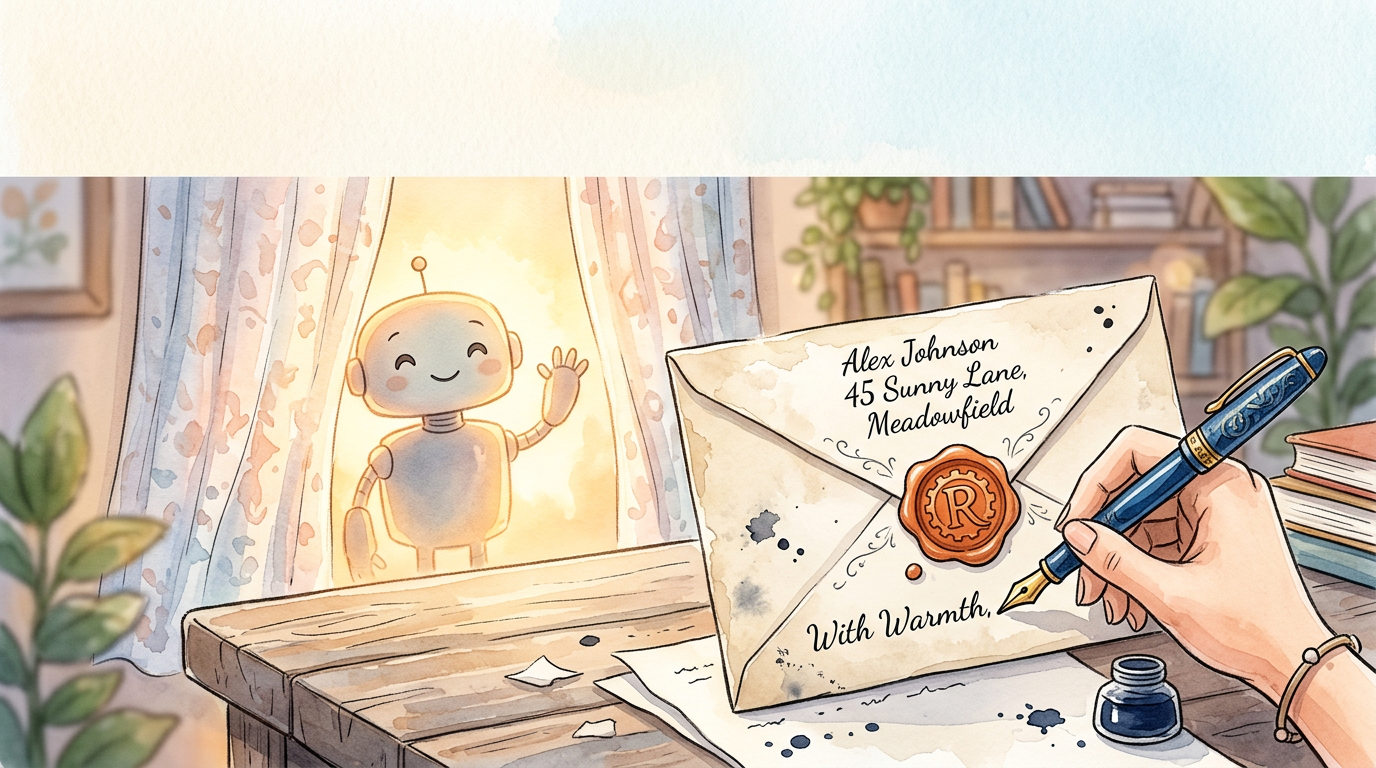
But maybe the people writing “Hi, Tomasz or Tomasz’s agent” have it right. They’re not being rude. They’re being realistic. They’ve adapted to a world where the answer might come from either side of the curtain, & they’ve decided not to care which.
The polite thing now is to assume the robot. The intimate thing is to be surprised when it’s not.